Massive 97% Population Collapse Hits Giant Australian Cuttlefish
South Australia has recorded an abrupt 97 percent population drop of giant Australian cuttlefish, with numbers plummeting from 63,000 last year to just 1,811 this season. Researchers across multiple organizations and departments have also found a staggering low of only 440 eggs during current surveys.
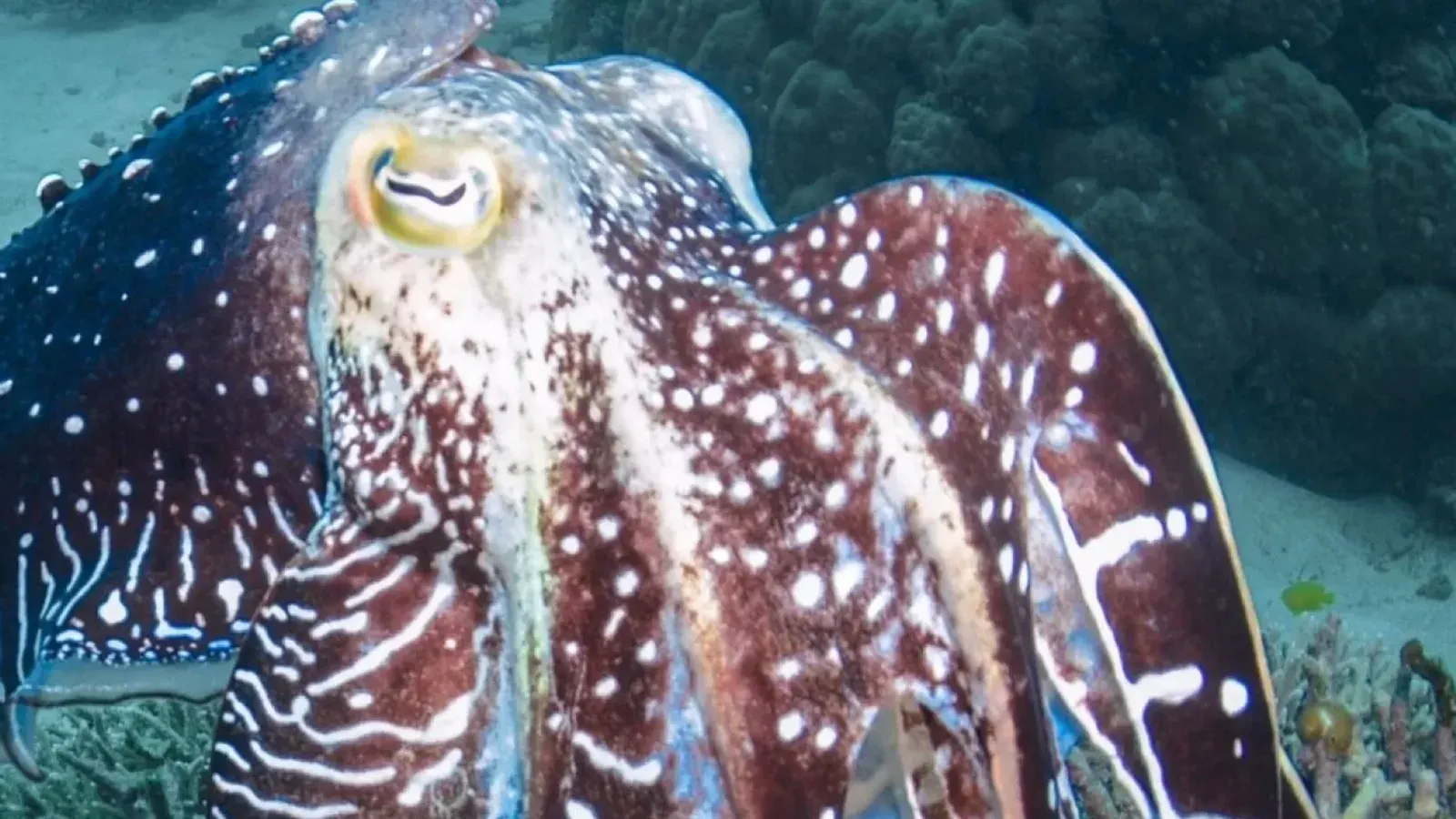
Marine researchers and environmental authorities in Australia are confronting an unprecedented ecological crisis following an abrupt 97 percent population drop of giant Australian cuttlefish in South Australia. Official monitoring data reveals that a mere 1,811 giant Australian cuttlefish have gathered for reproduction in the region this year, representing a catastrophic decline compared to the 63,000 cuttlefish recorded during the previous year.
This severe contraction in the marine population has alarmed scientific organizations monitoring the coastal ecosystem, including EyreLab, the South Australian Department for Environment and Water, the Great Southern Reef Foundation, the Department of Primary Industries and Regions, and the South Australian Research and Development Institute. The adult giant Australian cuttlefish typically has a natural lifespan of 12 to 18 months, making annual reproductive success crucial for the survival of the species in local waters.
The alarming population crash is further evidenced by a severe scarcity of viable offspring across the traditional breeding grounds. During surveys conducted throughout the current reproductive season across the South Australian coastline, researchers managed to locate a total of only 440 eggs. This finding stands in stark contrast to historical ecological expectations for the region's marine habitats.
Highlighting the severity of the egg shortage, Manny Katz provided a firsthand account of the desolate conditions observed during field surveys. "উপকূলের প্রায় ৮ কিলোমিটার এলাকাজুড়ে সাধারণত কয়েক মিলিয়ন ডিম থাকার কথা। আমরা যতটা সম্ভব প্রায় প্রতিটি পাথরের নিচেই খুঁজেছি। কিন্তু সব মিলিয়ে মাত্র ৪৪০টি ডিম পেয়েছি," Manny Katz stated, describing the unprecedented absence of spawn along an eight-kilometer stretch of coastline where millions of eggs are typically expected.
Historical data from previous years underscores the volatility and sheer scale of the current downturn, noting past fluctuating counts such as 13,500 cuttlefish in 2013 and a recorded peak of 247,000 in 2020. Additionally, environmental pressures in the region have been previously documented, with the first impacts of toxic algae identified along the South Australian coast in March of last year.