
Life and Legacy of Companion Abdur Rahman bin Awf Examined
An examination of the life, death, and historical accounts of Prophet Muhammad's companion Abdur Rahman bin Awf. The prominent early Muslim merchant belonged to the Banu Zuhra clan of Quraysh.
Historical accounts and biographical details outline the life, death, and burial of the prominent companion of the Prophet Muhammad (SAW), Abdur Rahman bin Awf (RA). Known widely as one of the earliest and most successful Muslim merchants in early Islamic history, his legacy spans significant geopolitical migrations and foundational events within the community. According to available records, he belonged specifically to the Banu Zuhra clan of the Quraysh tribe, establishing a lineage deeply intertwined with the early developments of Islam in the Arabian Peninsula.
Throughout the formative years of the Muslim community, Abdur Rahman bin Awf (RA) participated in critical migrations, including the journeys to both Abyssinia and Medina. Demonstrating his commitment to the nascent Islamic state, he fought alongside the Prophet Muhammad (SAW) in major military engagements, most notably the Battle of Badr. His dedication to commerce and community building is encapsulated in historical narratives where, upon arriving in Medina and being offered assistance by Saad bin Rabi (RA), he famously stated, "May Allah bless your family and wealth. Just show me the way to the market," choosing self-reliance through trade.
Beyond his mercantile success and military participation, Abdur Rahman bin Awf (RA) held a position of profound trust and administrative responsibility within the early leadership of the caliphate. Notably, he was chosen as one of the six esteemed members of the Shura committee. This pivotal council was specifically tasked by Caliph Umar ibn al-Khattab (RA) with the grave responsibility of selecting his successor, placing Abdur Rahman alongside other prominent figures such as Ali (RA), Uthman (RA), Talha (RA), Zubair (RA), and Saad bin Abi Waqqas (RA).
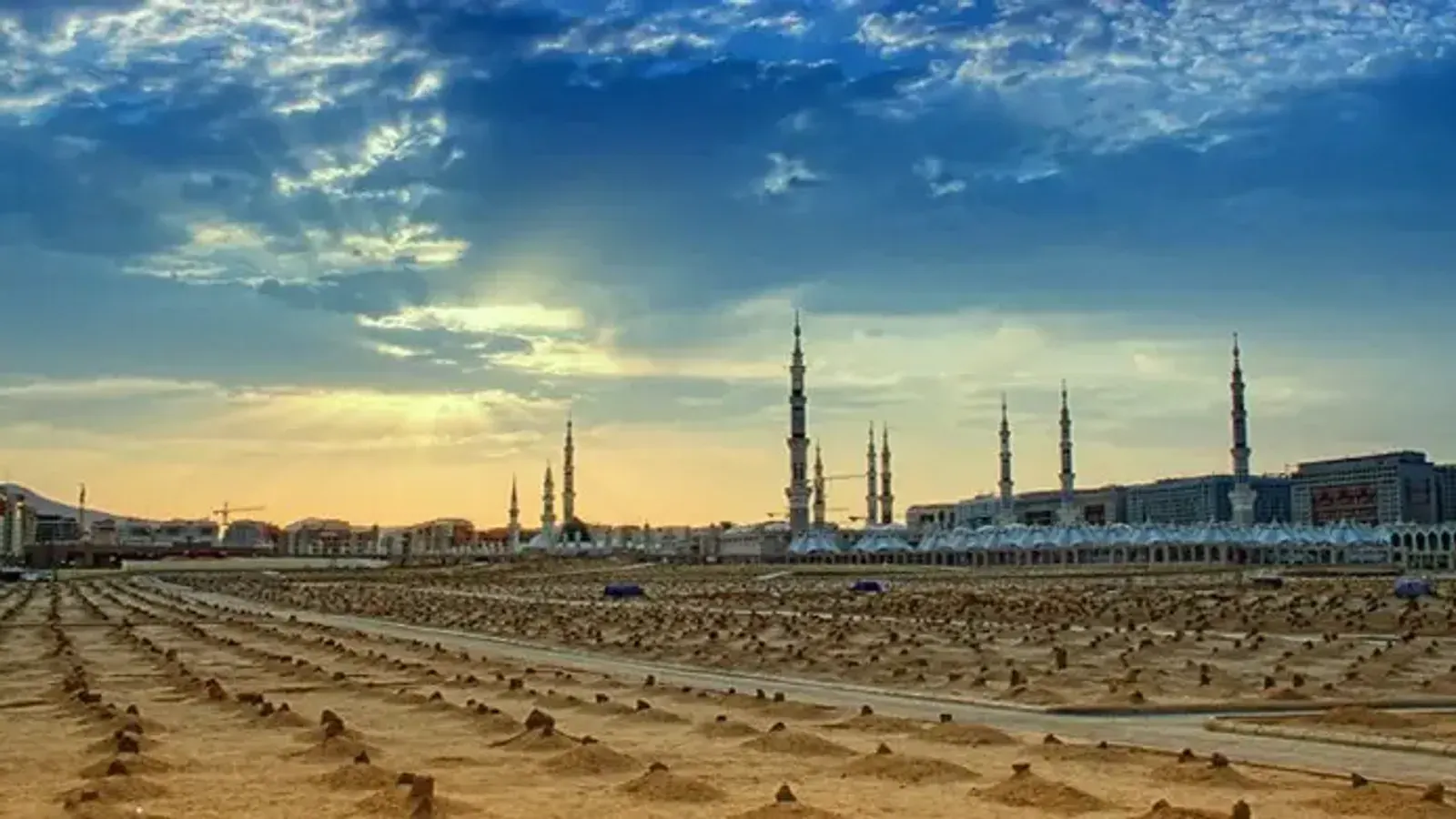
The historical chronology surrounding his life and passing is marked by several traditional Islamic dates and scholarly references. Accounts concerning his biography, lifespan, and subsequent burial locations in regions including Medina, Saudi Arabia, and Amman, Jordan, are preserved in classical biographical literature by scholars such as Ibn Sa'd, Ibn Hajar, and Zubair ibn al-Awwam. These extensive records continue to serve as primary sources for historians and researchers studying the foundational era of Islamic civilization, the mechanics of early Muslim commerce, and the political transitions overseen by the companions of the Prophet Muhammad (SAW).