Japan's Vending Machine Culture: History, Technology and Statistics
Japan boasts more than 2.6 million vending machines serving a population of 122 million people. The technology dates back to ancient Egypt, evolving over centuries into modern automated retail.
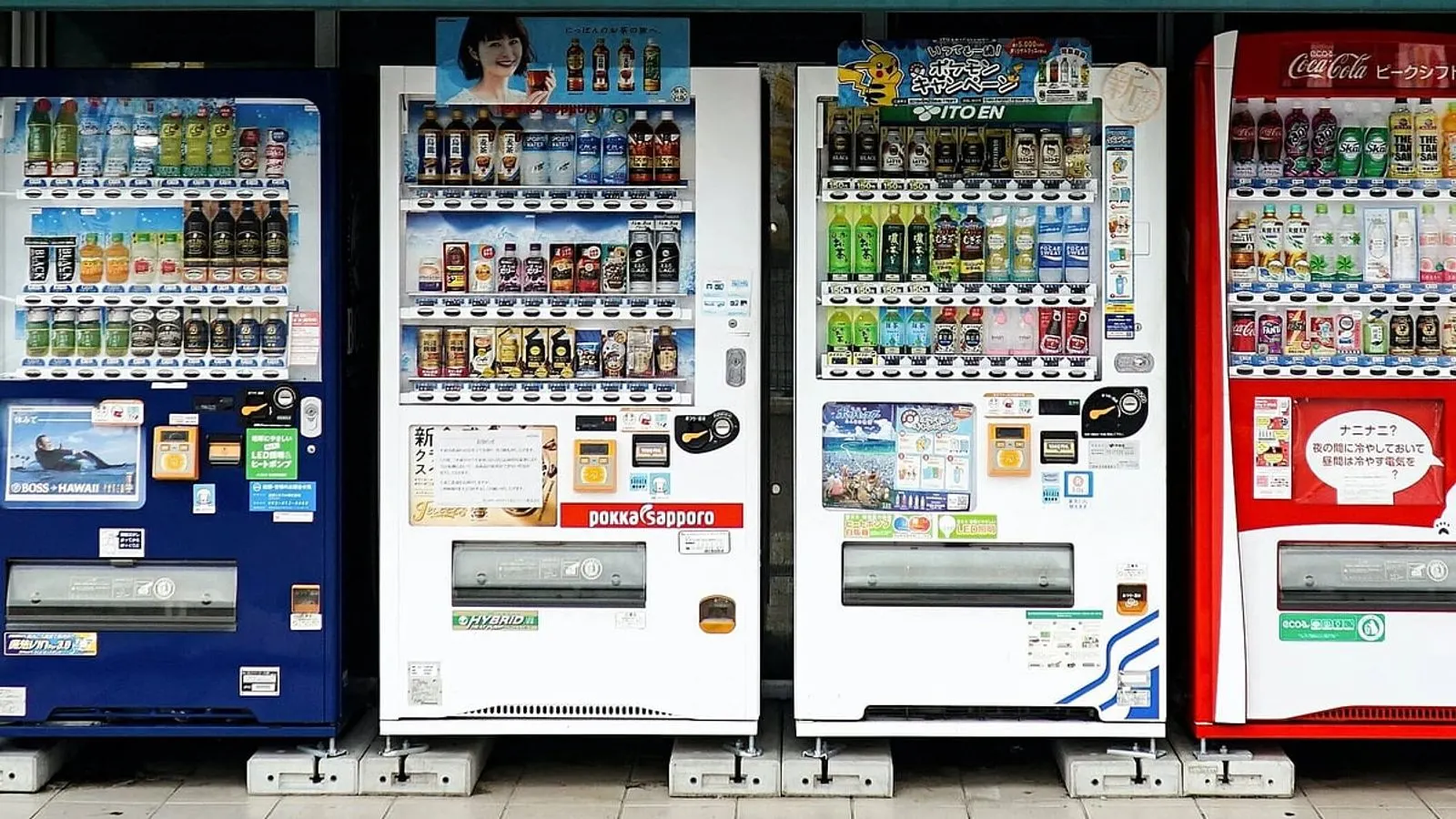
Japan is globally renowned for its ubiquitous automated retail network, where vending machines have become an essential part of daily life and urban infrastructure across the country. According to available statistics, this nation of 122 million people currently accommodates more than 2.6 million individual vending machines operating in various public and private spaces.
When breaking down the density of these automated retail units across the country, the numbers reveal a striking frequency of access for consumers. On average, there is approximately one vending machine installed for every 45 to 50 residents living throughout Japan, highlighting their widespread integration into society.
Modern Japanese vending machines are also notable for their advanced climate control and energy systems, which help maintain product temperatures throughout the year. Specifically, the vending machines operating within Japan utilize specialized heat pump technology to efficiently manage internal heating and cooling cycles.
Despite their modern prevalence in East Asia, the historical origins of automated dispensing technology stretch back millennia to antiquity. Historical records show that the world's very first vending machine was originally created approximately two thousand years ago in ancient Egypt by Hero, a Greek mathematician and scientist based in Alexandria.
The commercial evolution of these automated devices continued to advance significantly in Western nations during the late 19th century. Notably, the year 1888 marked a major milestone when vending machines were utilized in New York City specifically for the commercial sale of chewing gum.