
James Webb Telescope Detects Water Around Dying Star Near Milky Way Center
Scientists using the James Webb Space Telescope have detected water and cosmic dust around a dying star named IRS 3 near the center of the Milky Way galaxy. The findings provide new insights into how molecular elements survive in the most hostile environments of the universe.
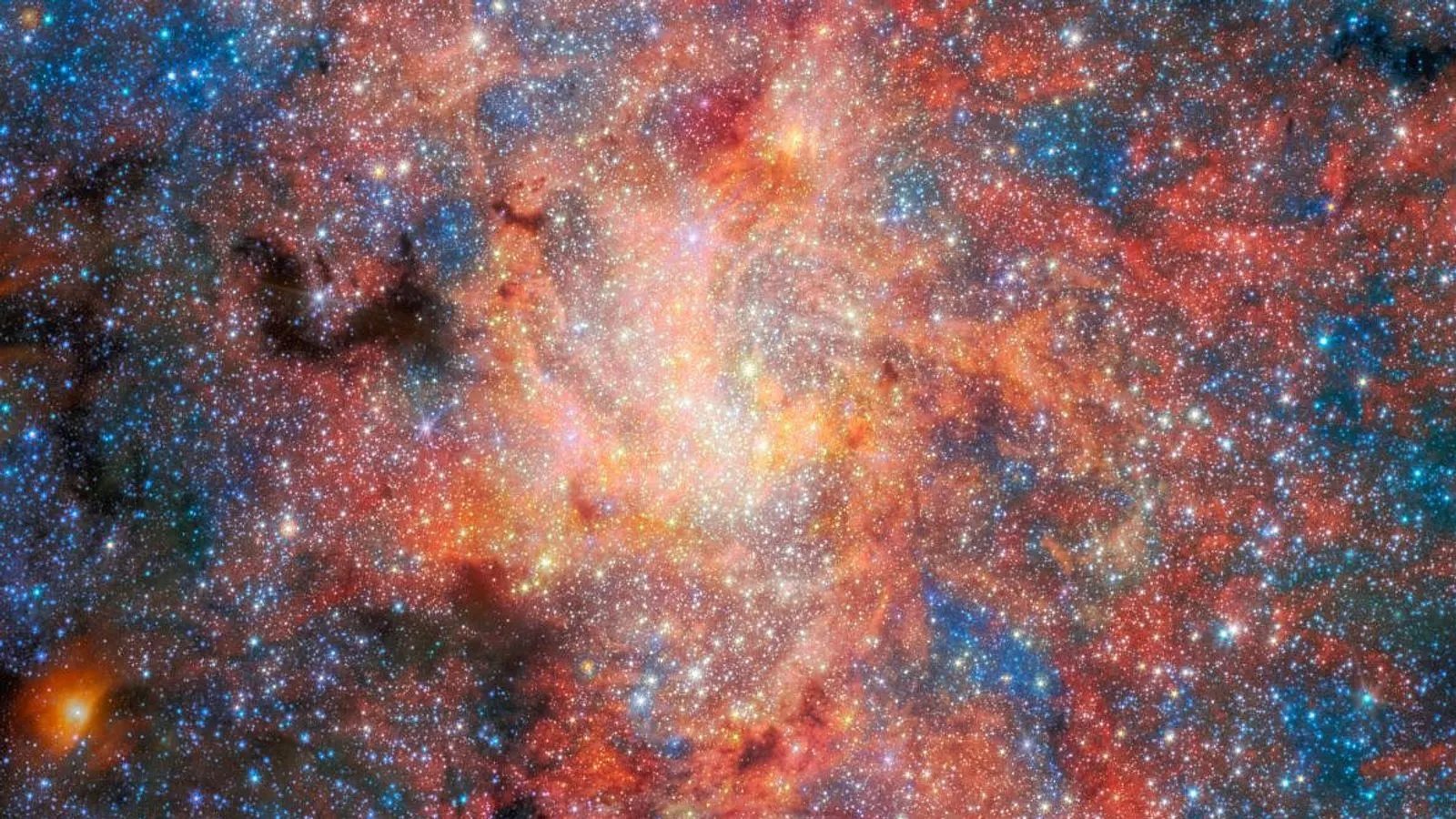
Scientists utilizing the advanced capabilities of the James Webb Space Telescope have successfully detected water and cosmic dust surrounding a dying star known as IRS 3, located near the center of the Milky Way galaxy. This significant astronomical discovery highlights the resilience of molecular components even within the most volatile and extreme regions of the cosmos. The research involves prominent international institutions and space agencies, including NASA, the European Space Agency (ESA), and the University of Cologne, marking a major milestone in our understanding of stellar evolution near galactic centers.
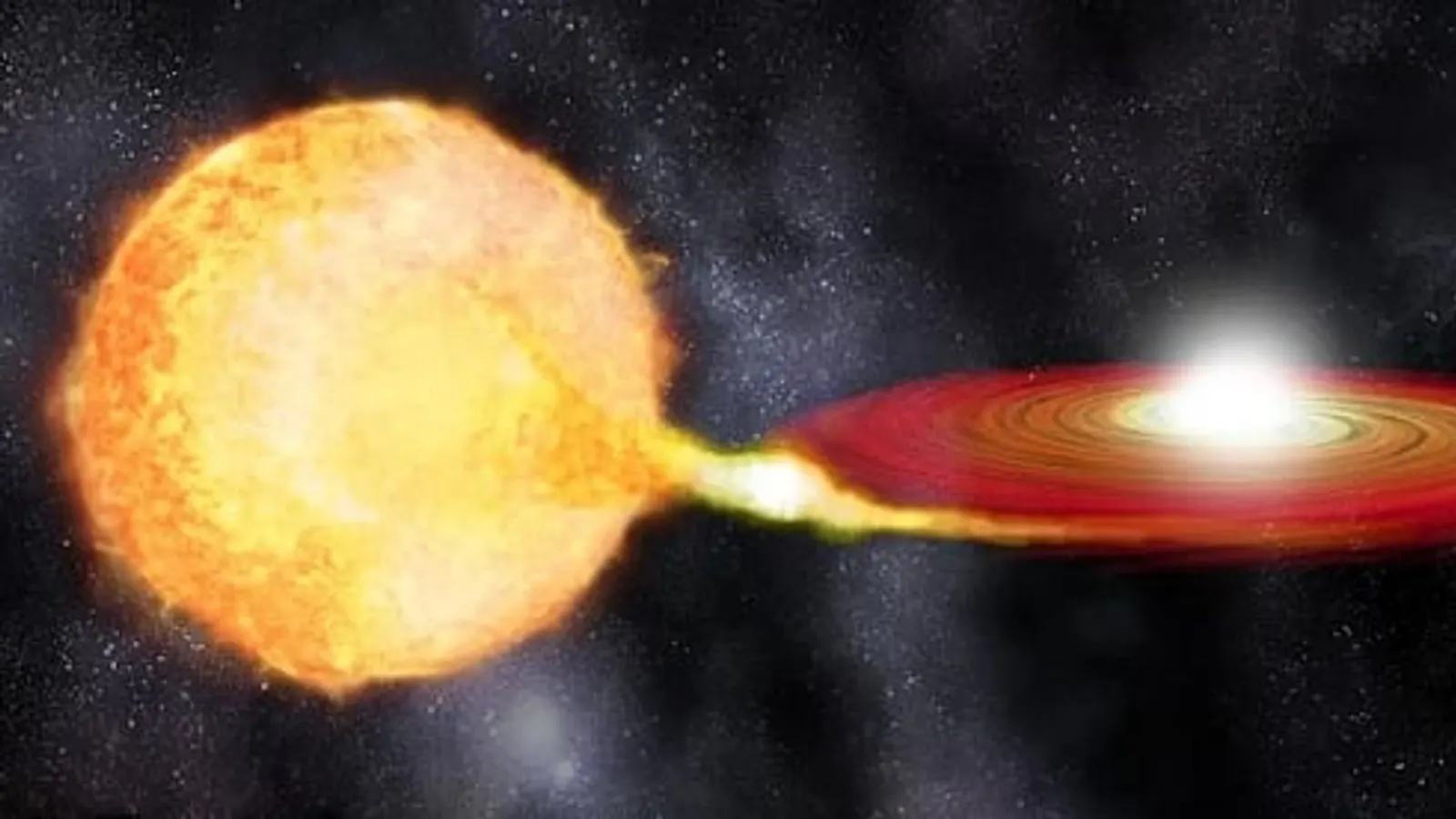
According to the verified mission data, the dying star IRS 3 is situated approximately 16 light-years away from the center of the Milky Way, a region that famously harbors a supermassive black hole. The celestial body itself is calculated to be about six times heavier than our Sun and possesses a surface temperature of approximately 2,800 Kelvin. Furthermore, scientific observations indicate that the star is roughly 72 million years old and is currently transitioning into a white dwarf star, actively shedding its outer layers out into surrounding space.
The extensive observations revealed that IRS 3 is enveloped by a vast cosmic dust shroud extending across 10,000 astronomical units, with particles expanding outward at a speed of 15 kilometers per second. Florian Peissker of the University of Cologne commented on the hostile conditions of the region, stating that galaxy centers are among the most hostile environments and noting that they have observed the dust production process remaining extremely resilient. This adaptability underscores how complex materials can form and persist despite intense galactic pressures.
Complementing these findings, Macarena García Marín of the European Space Agency emphasized the uniqueness of the gathered data. She noted that this marks the first time a continuous mid-infrared spectrum of the star has been acquired, which crucially helped identify silicate features and unveil the star's true chemical identity. García Marín further highlighted that detecting the presence of water is particularly exciting because it proves that molecular elements can survive even in environments characterized by intense radiation, demonstrating that stars close to a supermassive black hole can continue returning materials to their surroundings.
The collaborative efforts of NASA, ESA, and researchers like Florian Peissker and Macarena García Marín continue to push the boundaries of modern astrophysics through the James Webb Space Telescope. By examining the intricate details of IRS 3, astronomers are gaining unprecedented clarity regarding the life cycles of stars and the chemical makeup of matter near the heart of our galaxy. These revelations confirm that cosmic dust and water are capable of enduring severe galactic forces, reshaping our comprehension of stellar recycling near supermassive black holes.