
Islamic View on Cosmetic Procedures and Plastic Surgery
Islamic rulings distinguish between permissible medical treatments and forbidden alterations. Experts explain the boundaries regarding aesthetic modifications.
In contemporary discussions surrounding body modification and personal care, the Islamic perspective offers distinct guidelines regarding plastic surgery, cosmetic procedures, and general beautification. According to religious scholars and teachings originating from Dhaka, Bangladesh, Islam permits temporary and external beautification methods. These accepted practices include using natural elements, creams, lotions, and makeup that do not permanently alter the body's natural creation, allowing individuals to enhance their appearance within established ethical boundaries.
This balanced approach is rooted in foundational religious texts and prophetic traditions. As noted by the Prophet, 'Indeed, Allah is beautiful, and He loves beauty. Verily, pride is the denial of the truth and the disdain or contempt of people.' Furthermore, religious frameworks emphasize that true human worth is determined by spiritual devotion, citing the divine statement: 'Indeed, the most noble of you in the sight of Allah is the most righteous among you.'
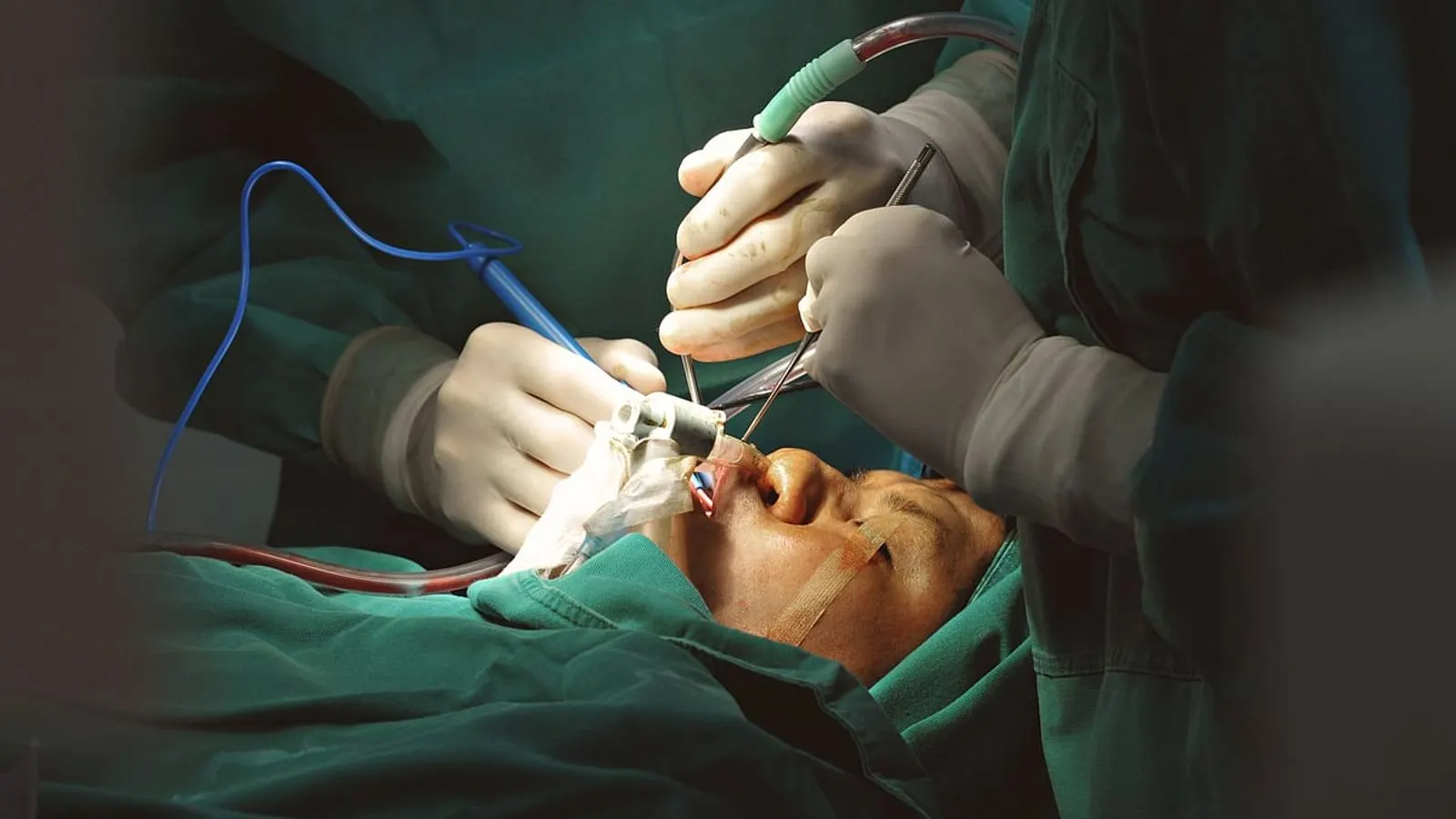
While temporary enhancements are generally accepted, Islamic jurisprudence makes clear provisions for necessary medical interventions. Plastic surgery or medical procedures are fully permissible in Islam when utilized to correct congenital defects, physical abnormalities, or damage caused by accidents, burns, acid attacks, or diseases. These corrective treatments are viewed as restorative healthcare aimed at alleviating suffering and restoring standard physical function and appearance.
Conversely, the religion strictly prohibits procedures that permanently alter normal body parts solely for aesthetic enhancement, following Western fashion trends, or changing natural skin color using dangerous injections or chemicals. Scholars, including Muhaqqiq Fayzullah Riyad of Jamia Arabia Darus Sunnah Rajabari, Dhaka, alongside jurisprudential positions referenced by prominent jurist Mufti Muhammad Taqi Usmani and the historical account involving the companion Arfajah ibn As'ad, contextualize these prohibitions through scriptural warnings against permanent bodily alterations.
The restriction against changing natural creation is directly linked to interpretations of sacred texts, where warnings are issued regarding external influences leading individuals astray. Specifically, the Quranic reference highlights the declaration attributed to Satan: 'I will surely mislead them, and I will arouse in them [sinful] desires... and I will command them so they will change the creation of Allah.' This principle establishes a firm theological boundary separating legitimate medical restoration from prohibited vanity.