International Translator Conference Held in Seoul to Address AI Challenges
A three-day international translation conference in Seoul marked the 30th anniversary of LTI Korea. Experts emphasized human accountability and cultural depth over artificial intelligence competition.
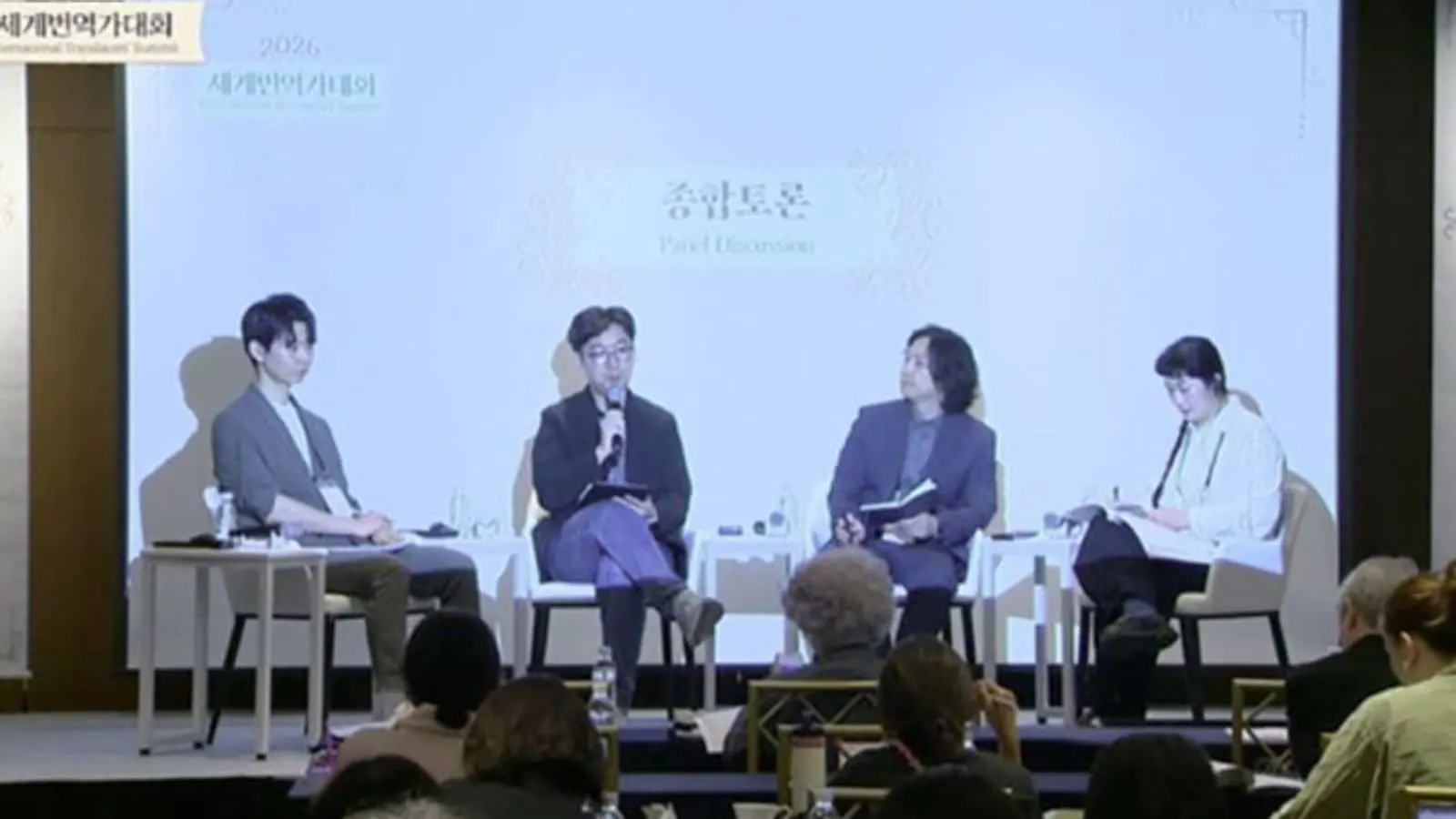
An international translator conference spanning three days has successfully concluded in Seoul, South Korea, bringing together prominent literary figures and translation experts from various backgrounds. The high-profile event served as a major platform for discussing the evolving landscape of global literature and the complex challenges introduced by modern technological advancements, specifically artificial intelligence, within the translation sector.
The landmark gathering was specially organized to celebrate the 30th anniversary of the Literature Translation Institute (LTI) Korea, an institution dedicated to promoting Korean literature worldwide. Throughout the multi-day proceedings in Seoul, participants engaged in deep discussions regarding how the profession must adapt while preserving the fundamental human elements that define literary translation.
A central theme of the conference was the relationship between human translators and artificial intelligence. Discussions emphasized that instead of entering into a direct competition with AI systems, translators must focus on upholding the cultural, aesthetic, and ethical responsibilities inherent in their work to ensure the continued survival and relevance of the profession.
Expanding on these critical perspectives, Lee Sang-bin shared deep insights regarding the unique nature of human literary work. He stated that translation is not merely the conversion of words from one language to another, but rather a profound process of expressing an author's thoughts and touching the emotions behind the words. He further noted that AI does not feel discomfort when reading literature, nor does it express remorse for poor word choices, emphasizing that AI lacks the capacity to take ultimate responsibility for a translation.
Adding to the discourse on technological integration, Stein Ahn discussed practical boundaries for utilizing modern tools in the field. He stated that AI can be used as a collaborator or assistant for tasks such as writing emails, drafting, or saving time on institutional work. However, he maintained that the core decisions and final control of the translation process must remain firmly in human hands.
The conference concluded with a renewed commitment among attendees from institutions such as Hankuk University and LTI Korea to champion human-led literary translation. By highlighting emotional depth, ethical accountability, and cultural nuance, the participants set a clear pathway for the future of the translation profession in an increasingly automated world.