

International Outcry Follows Israel's Tender for E1 Settlement Units
Israel's Ministry of Construction and Housing has issued tenders for residential units in the disputed E1 area of the West Bank, sparking widespread condemnation from global leaders and regional powers. A coalition of nations has rejected the expansion plans, branding the move as unacceptable.
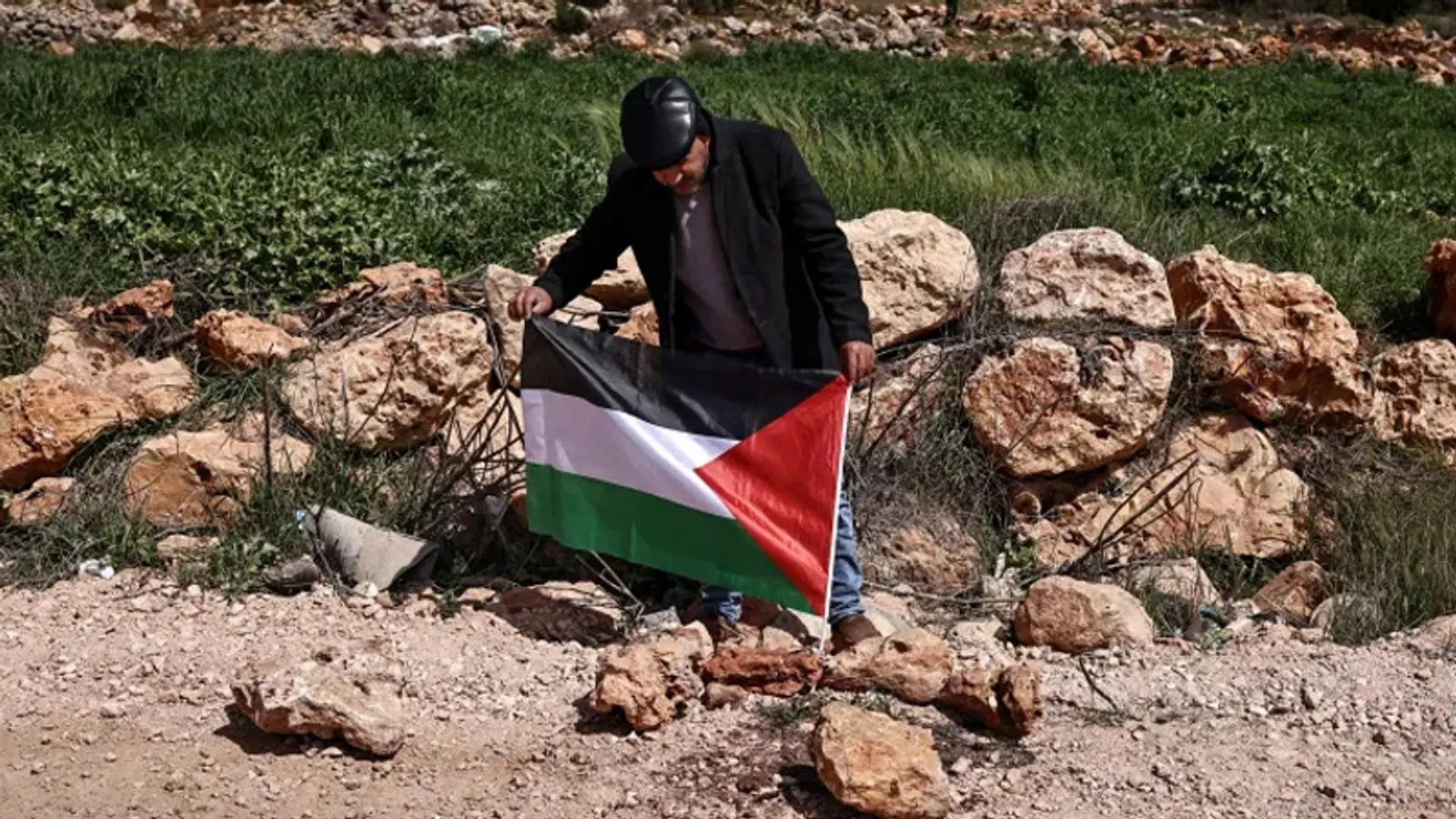
On August 22, 2026, the government of Israel and specifically the Israeli Ministry of Construction and Housing moved forward with controversial development plans by calling for tenders to construct new residential units in the sensitive E1 area located east of Jerusalem in the West Bank. This significant territorial move involves a designated twelve-square-kilometre area and encompasses various construction projections cited in multiple reports, including a planned 3,400 total housing constructions, alongside specific figures of 1,234 residential units according to one source, and 234 settlement homes according to another source. The E1 project has long been a focal point of geopolitical tension regarding the territorial integrity of the region.
The announcement immediately triggered a sharp diplomatic backlash across the international community, drawing strong rebukes from numerous regional governments and multilateral bodies. Prominent nations including Saudi Arabia, Jordan, the United Arab Emirates, Indonesia, Pakistan, Turkey, Qatar, and Egypt formally rejected Israel's illegal settlement construction plan. These regional powers aligned with major international figures such as Mohammad bin Salman, Emmanuel Macron, and Antonio Guterres in monitoring the developments, as platforms like Arab News and The Times of Israel reported on the escalating diplomatic crisis and the looming threat of international sanctions.
Adding to the mounting global pressure, a powerful bloc of Western nations comprising the United Kingdom, France, Germany, Italy, the Netherlands, Canada, and Norway issued a united front against the housing project. In their joint official statement, these governments collectively condemned the initiative, declaring it explicitly 'unacceptable'. The severe censure from European and North American allies underscores the deepening diplomatic isolation surrounding the E1 construction tenders.
The coordinated diplomatic pushback highlights the severe legal and political ramifications tied to the West Bank development. As global organizations and allied nations weigh potential punitive measures and sanctions, the situation on the ground continues to draw intense scrutiny from the United Nations and other international observers. The Israeli government's decision to proceed with the tenders in the disputed twelve-square-kilometre territory remains a critical flashpoint in ongoing Middle East diplomacy.