

Middle East War Alters Global Aviation Routes as Asian Hubs Surge
Ongoing conflict in the Middle East has rerouted global air traffic, causing a significant drop in transit passengers through major hubs like Dubai, Doha, and Abu Dhabi. Consequently, Asian airports such as Seoul, Hong Kong, and Singapore are experiencing a major surge in alternative transit travel during 2026.
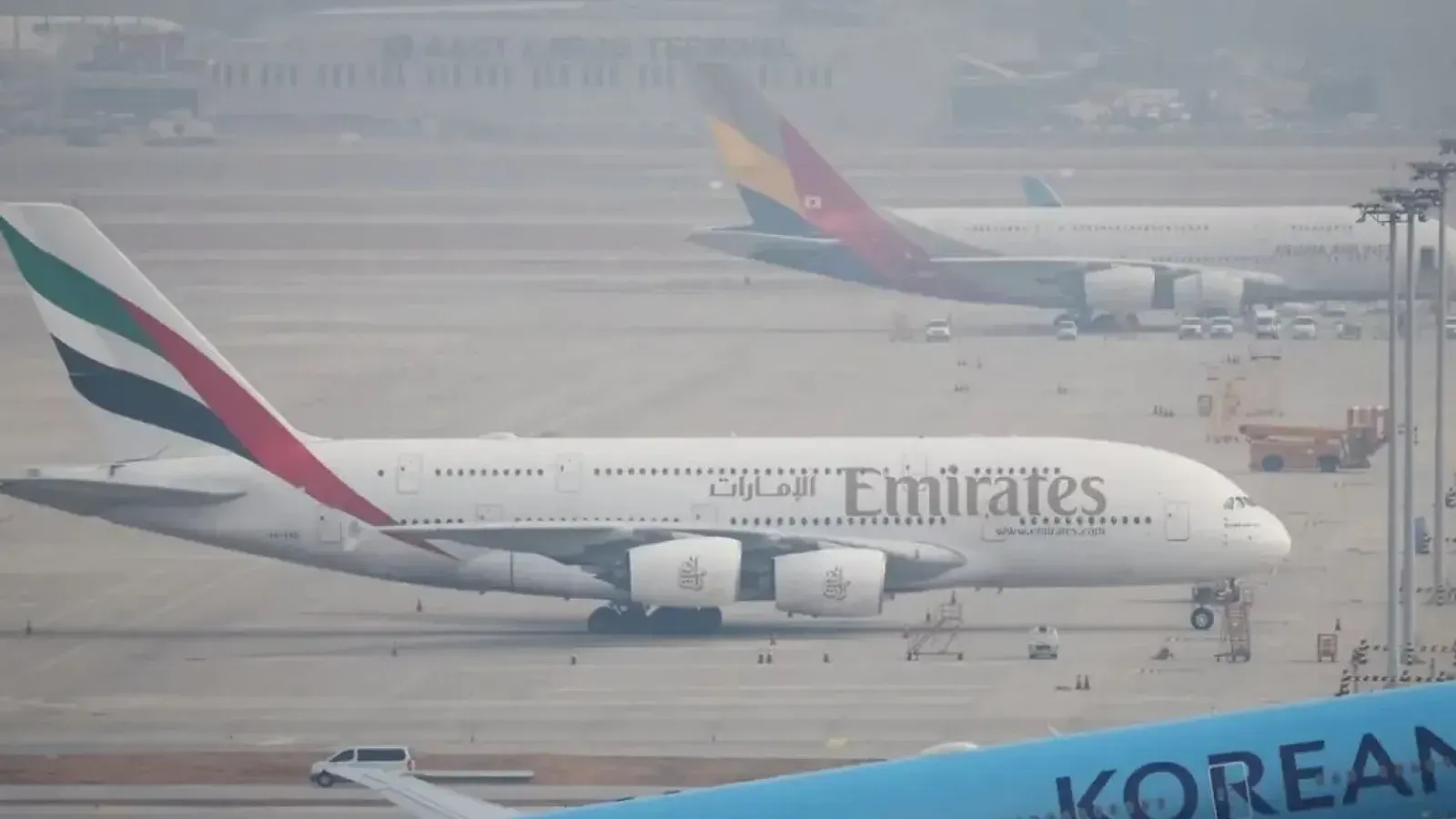
The ongoing conflict in the Middle East has profoundly altered global aviation routing, redirecting international air traffic away from traditional hubs and toward alternative destinations across Asia. Major Middle Eastern transit centers—specifically Dubai International Airport, Doha, and Abu Dhabi—have experienced notable declines in connecting passengers as a direct result of regional warfare. According to data provided by industry organizations, last year saw 16 percent of the world's 417 million connecting or transit passengers utilizing Middle Eastern airports. However, the dynamics have shifted sharply; traffic data for April showed that transit travel between Asia and Western Europe via the Middle East plummeted by 47 percent compared to the same period in the previous year.
As travelers and airlines seek out safer and more practical alternatives, Asian aviation hubs have naturally stepped into the void. London-based aviation consultant John Strickland noted this industry shift, stating that people are now actively searching for alternative routes while Asian major aviation hubs have naturally emerged as those alternatives. This trend has heavily benefited regional facilities, with Incheon International Airport emerging prominently as the world's busiest international airport during the first six months of 2026. Official statistics indicate that transit passengers at Incheon International Airport increased by 18 percent during the first half of 2026 compared to the corresponding period of the previous year, while transit passengers specifically on Europe-bound routes surged by an impressive 63 percent.
Other key Asian facilities are also reaping the rewards of this massive global rerouting. Hong Kong International Airport reported an international passenger traffic increase of more than 11 percent, while Taiwan Taoyuan International Airport saw its international passenger numbers grow by nearly 10 percent. Major commercial carriers in the region are reflecting this robust growth as well; Cathay Pacific announced a 24 percent increase in passenger numbers for March compared to the same month last year, and Singapore Airlines experienced a 7 percent increase in overall passenger traffic. Beyond these specific carriers, the broader ecosystem involving Turkish Airlines, the Lufthansa Group, and Air France are all navigating a vastly rearranged international aviation landscape dictated by changing passenger flows.
Despite the current structural shifts toward Asian hubs, industry analysts warn that financial incentives from Middle Eastern competitors could potentially disrupt the new status quo. Jeffrey Goh, managing director of Alton Aviation Consultancy, pointed out that Middle Eastern airlines are offering tickets at such low prices that certain passengers may decide to take the risk and resume traveling through that conflict-affected region once again. Nonetheless, the immediate economic windfall for Asian airports remains substantial, bolstered by ancillary spending habits. Statistics show that an individual passenger typically spends an average of about 7.57 dollars on airport shopping, dining, and other non-aeronautical sectors, providing a steady stream of revenue to the thriving hubs accommodating the redirected global traffic.