
Strait of Hormuz Closure Triggers Asian Energy Crunch and Diplomacy
The effective closure of the Strait of Hormuz has severely impacted Asian economies, prompting intense diplomatic efforts starting in August 2026. Leaders across international summits are addressing the crisis following direct US-Iran talks in Islamabad.
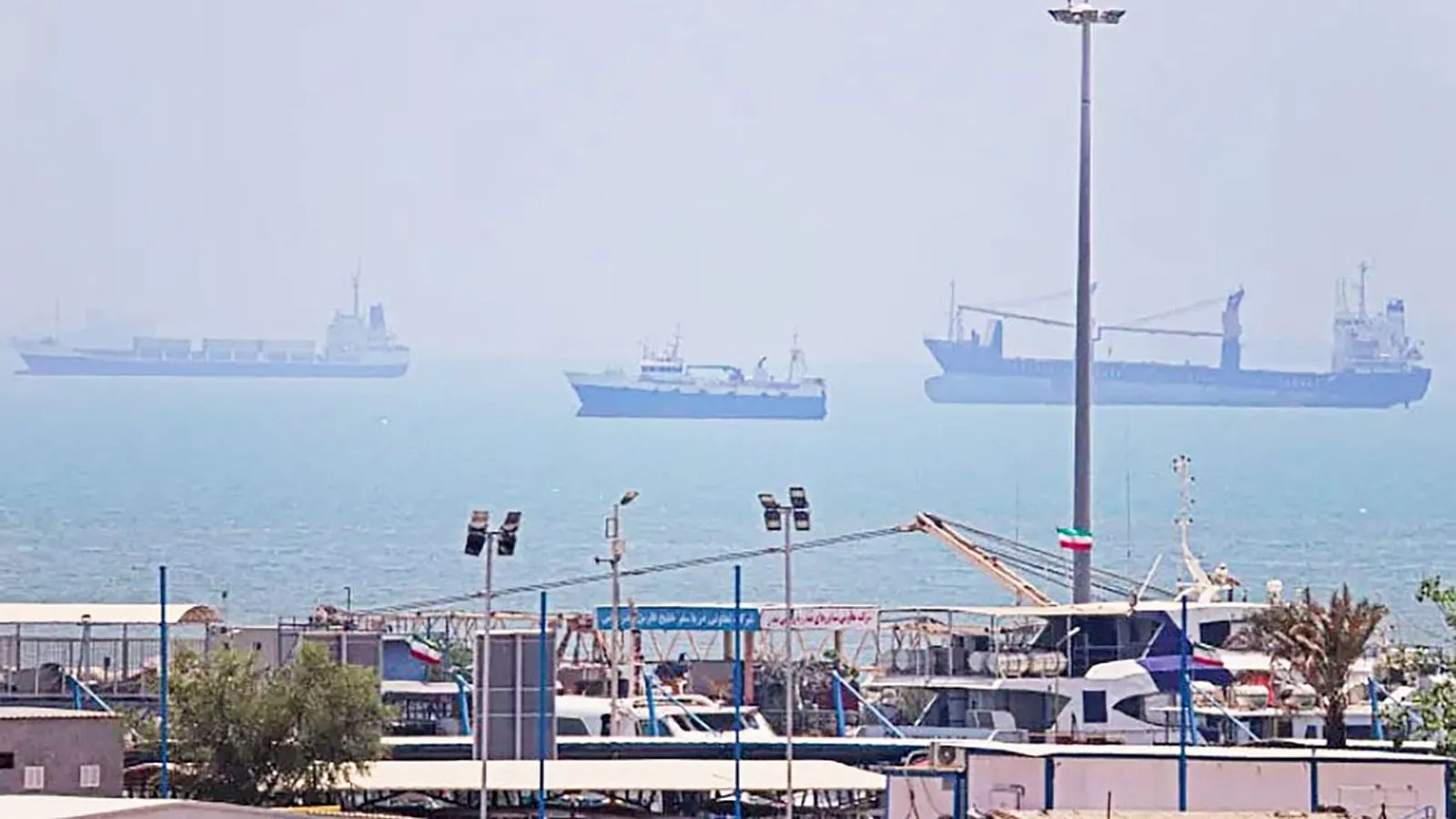
The effective closure of the Strait of Hormuz has created significant disruptions, heavily impacting economies across Asia. In 2025, a daily average of more than two million barrels of crude oil transited through the critical Strait of Hormuz. Furthermore, the disruption has severely affected regional supply chains, given that China and India historically purchased 44 percent of all oil exported from the Gulf region.
Asian nations heavily reliant on the route are facing immense pressure as maritime traffic through the strait has plummeted from 130 to 140 vessels down to a single-digit figure. Specifically, 95 percent of Japan's imported oil and 70 percent of South Korea's oil supplies traditionally came through the Hormuz passage. Additionally, 90 percent of the liquefied natural gas imported from abroad by these nations arrives via the same strait.
Amid these mounting economic pressures, India—which consumes approximately 5.6 million barrels of crude oil daily—has adjusted its sourcing, with more than half of its total crude oil imports arriving from Russia by June 2026. Meanwhile, China has mitigated some impacts through strategic reserves and shifting trends; the country maintains approximately 140 days of strategic fuel reserves. Furthermore, in the first six months of 2026, electric vehicles accounted for 54 percent of new car sales in China, helping reduce the country's daily oil demand by about 1.35 million barrels. Conversely, Russia has benefited financially from the shifting energy dynamics, generating an additional 1.3 billion to 1.9 billion dollars.
Diplomatic efforts to address the closure and find pathways to reopen the strait are set to intensify starting August 30, 2026. The high-level international engagement will begin with the Shanghai Cooperation Organisation summit in Bishkek, followed immediately by the BRICS summit in New Delhi.
These upcoming diplomatic initiatives follow a series of preliminary breakthroughs earlier in the year. In April, a two-week ceasefire was brokered through Pakistani mediation, receiving the consent of Iranian Supreme Leader Mojtaba Khamenei. This diplomatic breakthrough paved the way for historic direct talks between the United States and Iran in Islamabad, marking the first such direct negotiations between the two nations since 1979.