
Historical Roots of Gor-e Shahid Shrine and the Sepoy Mutiny
Examining the history of the Gor-e Shahid shrine near Azimpur Road in Dhaka, tied to the events of the 1857 Sepoy Mutiny. The location holds historical significance regarding colonial administration and local elite involvement.
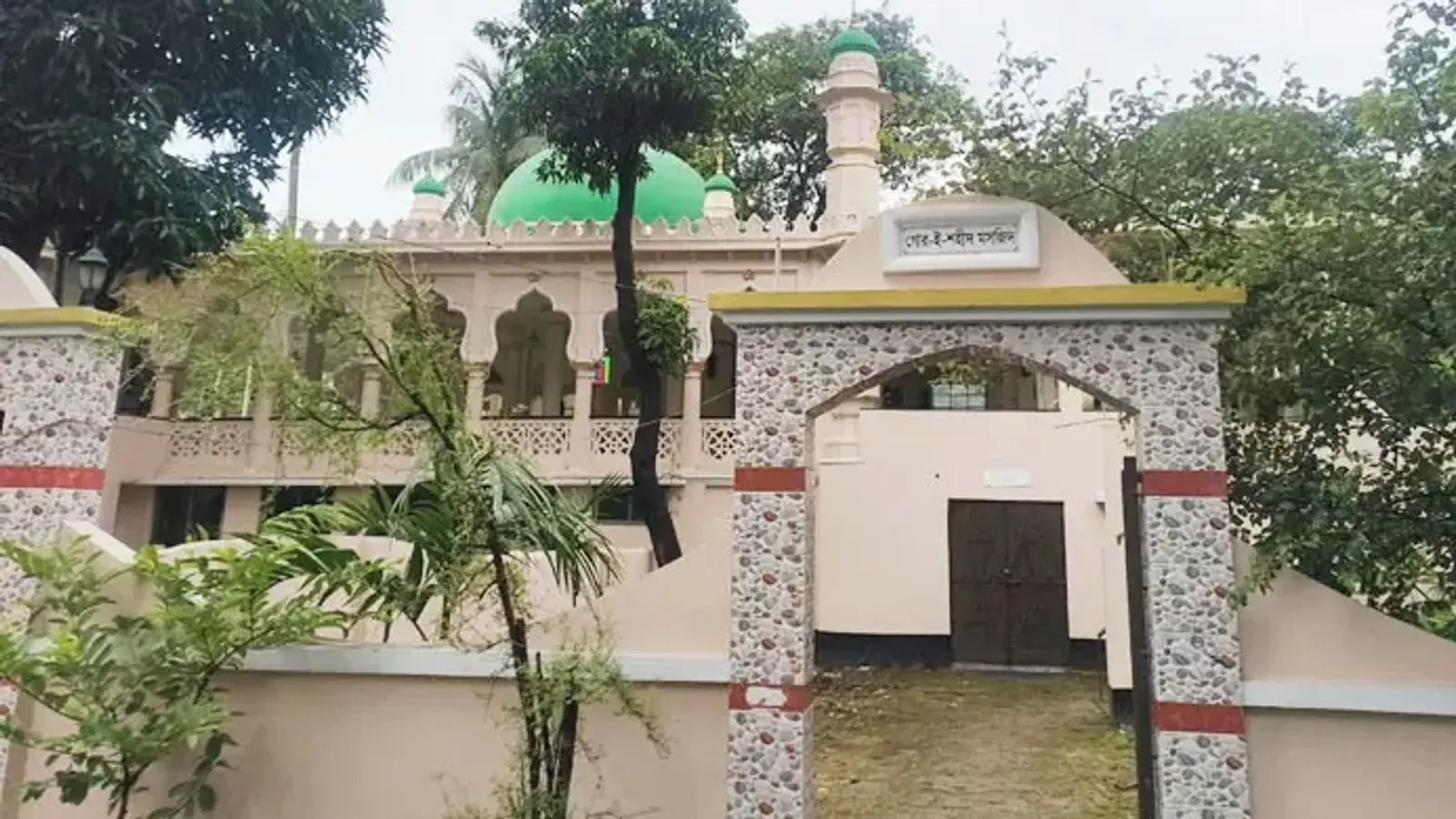
The historical Gor-e Shahid shrine is situated on Azimpur Road in Dhaka, located to the north-west of the Lalbagh Fort and adjacent to the Sir Salimullah Muslim Orphanhood. This site serves as a memorial carrying the historical memories of the 1857 Sepoy Mutiny, connecting the modern urban landscape of Dhaka to the turbulent era of colonial resistance across the Indian subcontinent.
According to historical accounts provided by Nazir Hossain, when the fires of the Sepoy Mutiny ignited across India in 1857, the atmosphere in Dhaka grew hot with tension, yet an outright rebellion did not manifest within the city limits. The local dynamics of the period involved complex social pressures, colonial loyalties, and administrative maneuvers that shaped the eventual fate of the region's historical monuments and neighborhoods.
Nazir Hossain further elaborated on the factors that kept the local population from joining the uprising, noting that a faction of Hindu government employees utilized instigation, rumors, and fabricated stories to divide the people of Dhaka and turn local sentiment against the sepoys. During these critical moments, prominent elites and wealthy landlords, notably Nawab Abdul Gani and Babu Ruplal Das, provided comprehensive assistance to the British authorities in suppressing the rebellion.
The administrative nomenclature of the area underwent significant changes decades later, reflecting shifting municipal policies. Following the Second World War, specifically in the years 1942 and 1943, the Dhaka Municipality decided to alter the traditional identity of the locality by renaming the Gor-e Shahid neighborhood as 'Vishnucharan Das Street'.
This historical narrative encompasses various figures associated with the broader context and documentation of the era, including Muhammad Rahatul Islam, Mr. Leng Kin, Sona Mia, and Alhaj Khan Saheb Chowdhury Fariduddin Ahmad Siddiqui. Together, these elements trace the transformation of Dhaka's urban geography, memorializing the complex events surrounding the 1857 uprising and the subsequent renaming of municipal quarters.