

Himalayan Glacier Collapse Triggers Flash Floods in Nepal and Tibet
A catastrophic collapse of Himalayan glacier ice and rock has triggered sudden and devastating flash floods across Nepal and Tibet. The disaster has resulted in the tragic deaths of hundreds of people in the affected regions.
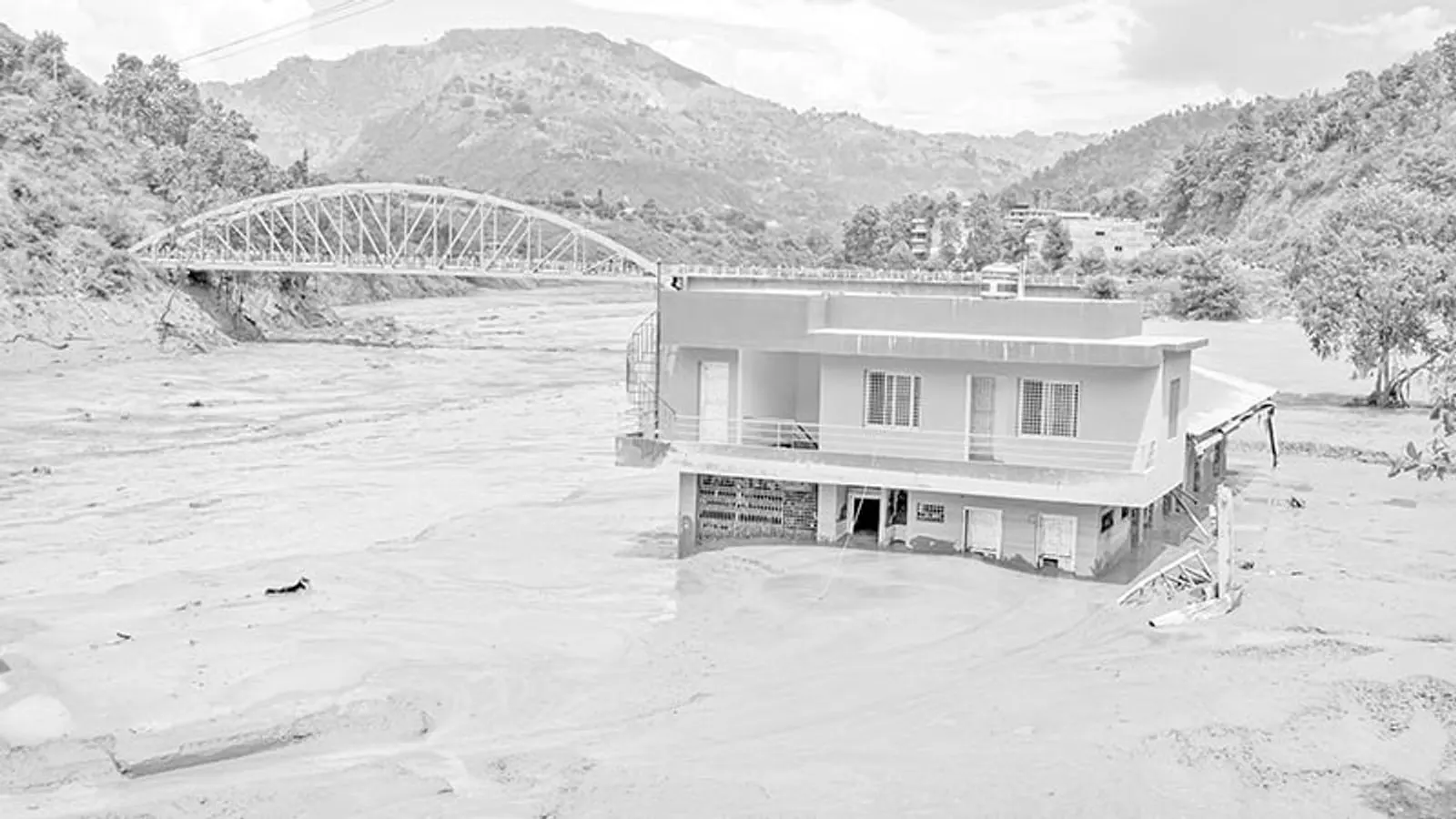
A catastrophic natural disaster has struck the Himalayan region as a massive collapse of glacier ice and rock triggered sudden and devastating flash floods across Nepal and Tibet. The catastrophic event has resulted in widespread destruction and the tragic deaths of hundreds of people in the affected areas.
The scale of the devastation has overwhelmed local communities as roaring torrents of water, mixed with debris, swept through the mountainous terrain. Authorities and rescue teams continue to grapple with the immense challenges posed by the treacherous geography following the glacier failure.
This environmental catastrophe adds to the region's history of severe natural shocks, recalling the profound trauma of the devastating earthquake that struck Nepal in 2015. The combination of fragile geological structures and extreme climate pressures continues to pose severe risks to populations living in the shadow of the Himalayas.
As recovery operations proceed, experts and researchers from various academic institutions—including Mount Royal University, the University of Calgary, and discussions hosted by platforms like The Conversation, alongside reports from media outlets such as Somakal and researchers including Ranjan Dutta, Jebunnesa Chopla, and Mahfuzur Rahman Manik—continue to study the compounding vulnerabilities of the region.
The impact of this sudden flash flood underscores the persistent and deadly hazards faced by communities residing near unstable Himalayan glaciers. With hundreds of lives lost, the disaster highlights the urgent need for heightened monitoring and preparedness in Nepal, Tibet, and the broader Himalayan mountain range.