Nepal Halves Power Exports to India After Devastating Floods
Nepal has reduced its electricity exports to India by 50 percent following devastating floods that damaged 13 hydropower projects across the country. Grid India statistics show that 963.4 megawatts of electricity were supplied to India on Wednesday, the day of the disaster.
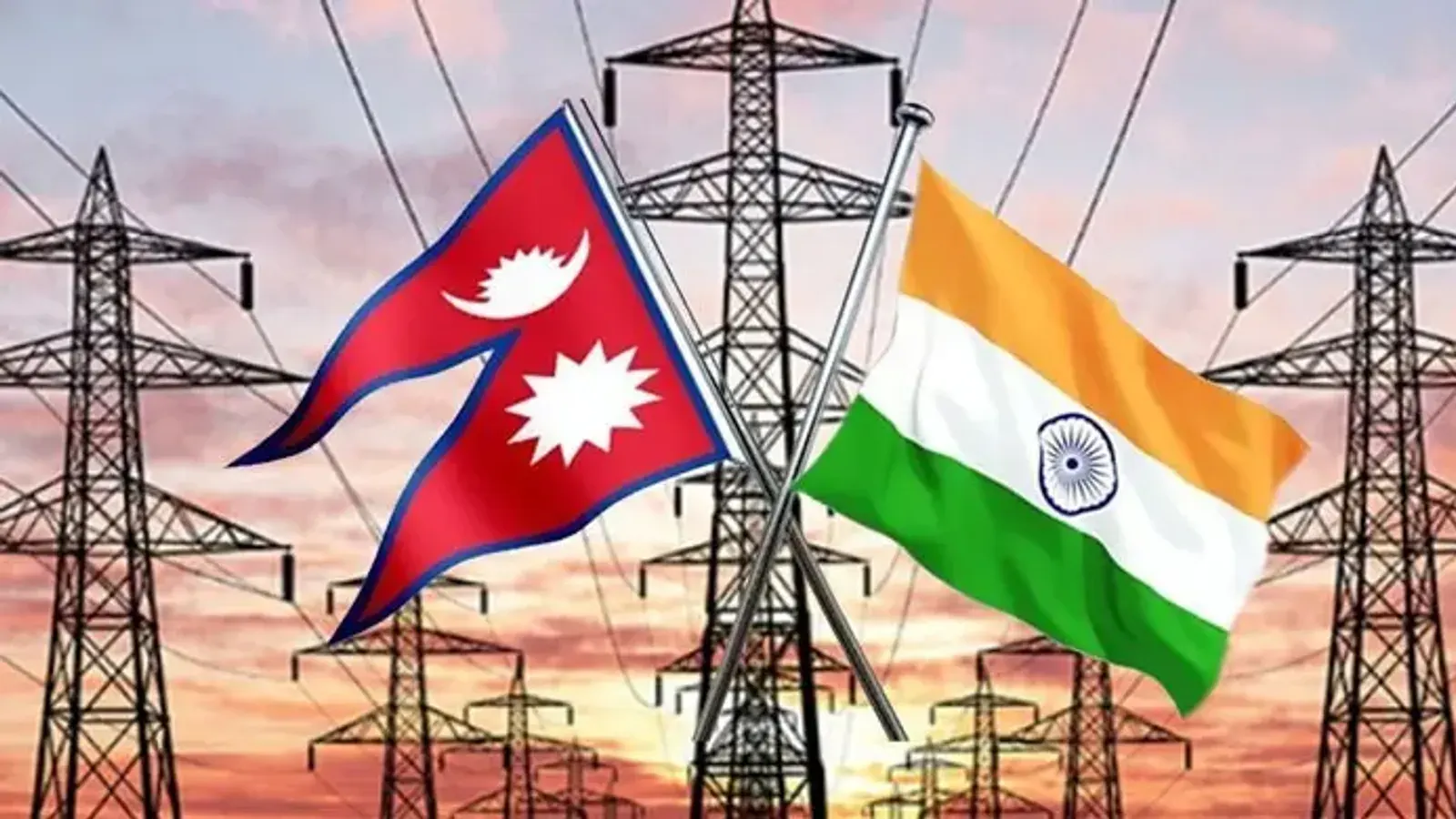
Nepal has been forced to reduce its electricity exports to India by 50 percent following a series of devastating floods that severely impacted the region. According to reports from Jago News, The Indian Express, Anandabazar Patrika, and Grid India, the natural disaster has directly damaged 13 hydroelectric projects across Nepal. This significant disruption to the country's generation infrastructure has immediately altered cross-border energy flows between the two neighboring nations, as confirmed by official assessments released on August 28, 2026.
Before the catastrophic flooding struck, Nepal routinely exported approximately 800 megawatts of electricity to India on a daily basis. However, due to the extensive damage sustained by the power generation facilities, that figure has now been slashed in half. Consequently, the current volume of electricity being exported to India has been reduced to just 400 megawatts per day, marking a substantial drop in regional energy cooperation while repair and assessment efforts are underway.
Despite the widespread destruction of the facilities, operational data compiled by Grid India highlights the chaotic fluctuations in power transmission during the crisis. According to Grid India statistics, on Wednesday, which was the exact day the disaster unfolded in Nepal, a total of 963.4 megawatts of electricity was supplied to India before the full extent of the generation losses forced the subsequent 50 percent reduction in ongoing exports.
The extensive list of affected and notable hydropower installations highlights the massive scale of Nepal's energy sector that has been put at risk by the floods. Among the infrastructure mentioned in the regional data are the Devighat hydropower project with a capacity of 14 megawatts, the Upper Trishuli project with 216 megawatts, the Rasuwagadhi project with 111 megawatts, the Rasua Bhotekoshi project with 120 megawatts, the Sanjen Khola project with 78 megawatts, the Upper Mailung A project with 6.42 megawatts, the Mailung Khola project with 5 megawatts, the Lidong Khola project with 20 megawatts, the Chilime project with 22 megawatts, the Trishuli hydropower project with 24 megawatts, the Upper Trishuli-3A project with 60 megawatts, the Upper Trishuli 3B project with 37 megawatts, and the Middle Trishuli Ganga project with 15.6 megawatts.
To understand the broader impact of these damaged projects, it is essential to look at Nepal's overall energy capacity and reliance on water resources. Nepal possesses a total daytime electricity production capacity of 4,300 megawatts, with a staggering 90 percent of all domestic power production originating directly from hydroelectric projects. With 13 of these crucial infrastructure assets now damaged by the devastating floods, the temporary halving of electricity exports to India underscores the severe vulnerability of the region's renewable energy grid to extreme weather events.