Health Risks Linked to Consuming Burnt Foods and Meats
Eating burnt starchy foods and meats cooked at high temperatures can produce harmful chemical compounds. Regular consumption of excessively charred meat is specifically linked to an increased risk of certain cancers.
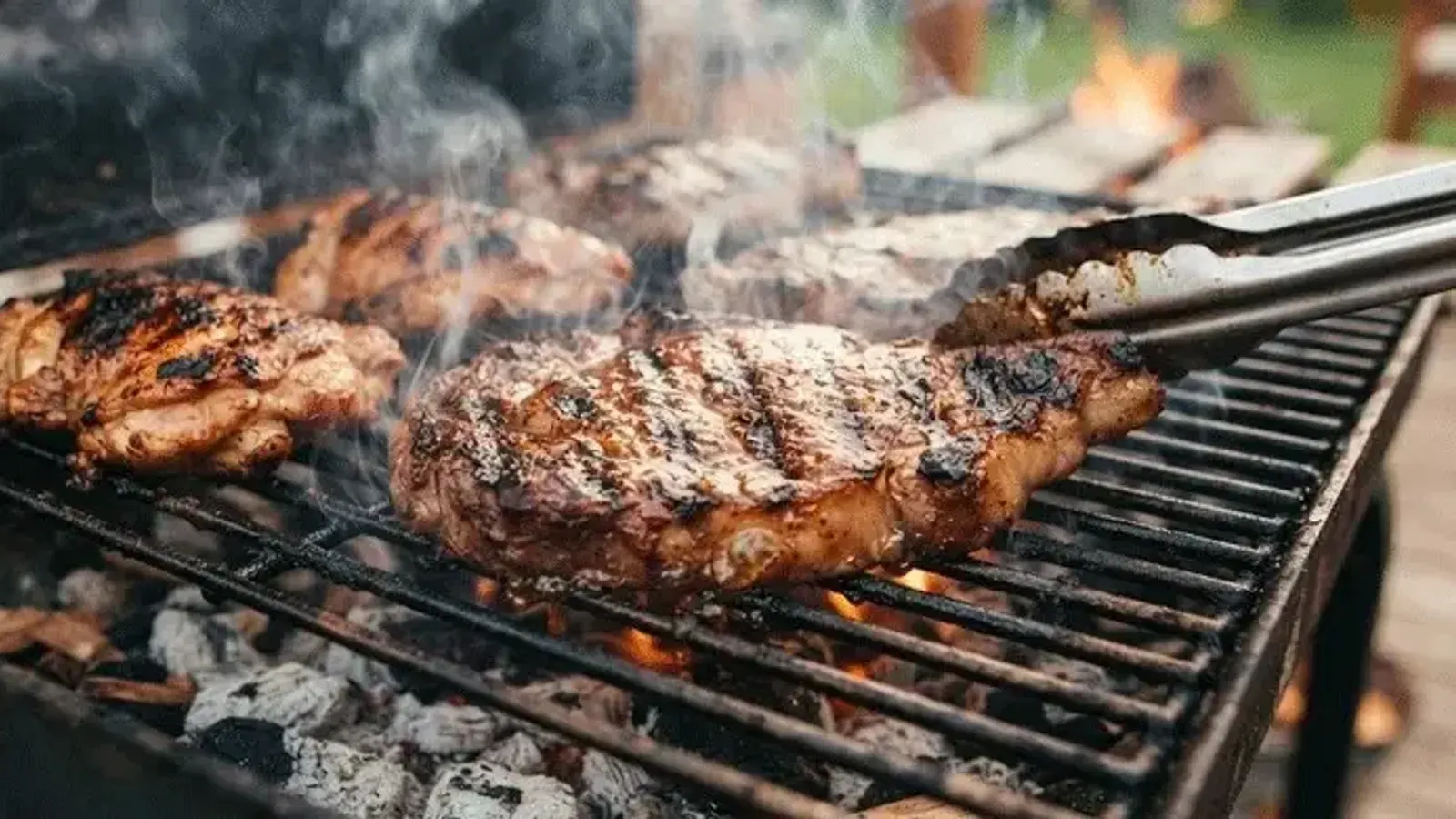
When preparing daily meals, the way food is cooked can have significant implications for long-term health and wellness. According to scientific findings released on 29 August 2026, everyday cooking methods involving high heat require careful attention due to the specific chemical reactions they can trigger in various food items.
A primary concern involves the preparation of starchy foods. When starchy items are subjected to excessive heat and become burnt, the cooking process can produce a chemical substance known as acrylamide. This compound forms naturally in certain foods during high-temperature cooking processes, such as frying, roasting, and baking.
In addition to starchy items, the preparation of meat products presents distinct chemical risks. Specifically, grilling or burning meat at high temperatures can produce harmful substances called heterocyclic amines and polycyclic aromatic hydrocarbons. These compounds are formed when amino acids, sugars, and creatine react at high cooking temperatures.
The health implications of these chemical compounds extend beyond immediate digestive discomfort. Regular consumption of excessively burnt meat has been linked by researchers to an increased risk of developing serious malignancies, specifically including colorectal, pancreatic, and prostate cancer.
As public awareness regarding dietary safety continues to evolve, these findings underscore the importance of monitoring cooking temperatures and avoiding the excessive charring of everyday foods. Understanding how high-heat cooking alters food chemistry provides valuable insight for individuals seeking to make healthier lifestyle and dietary choices.