

Health Guidance Issued on Children Playing in the Rain
Health experts clarify the common misconceptions surrounding children playing in the rain. The guidance highlights urban pollution risks and the importance of preventing prolonged exposure to wet clothing.
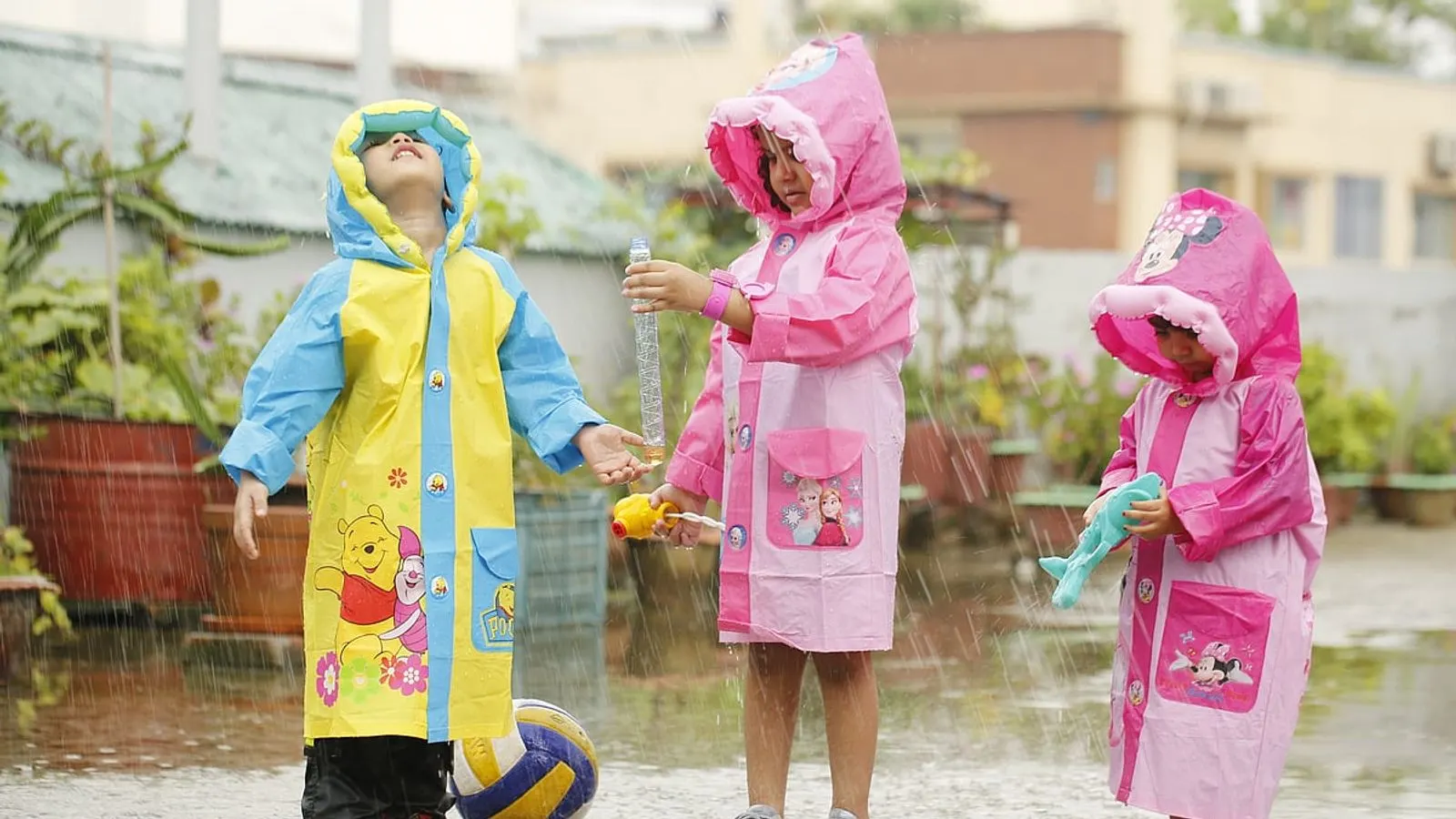
Medical and health experts have released important safety guidance regarding children playing in the rain, addressing common beliefs and potential health hazards. According to the guidance, the traditional assumption that getting wet in the rain inevitably causes a cold is not entirely correct. While the direct rainwater itself may not immediately cause illness, other environmental factors during a rainfall require careful attention from parents and caregivers.
A major concern highlighted in the guidance involves urban environmental pollution. City air contains various toxic smokes and pollutants emitted by motor vehicles. When it rains, these hazardous airborne pollutants mix directly with the rainwater, turning the water into an acidic solution. Experts warn that this acidic rainwater can potentially cause damage to children's sensitive skin upon contact.
Another significant risk factor is the duration of exposure and the state of clothing. If children remain with wet bodies or wet clothes for an extended period of time, their core body temperature can drop significantly. This reduction in body temperature creates a vulnerable physiological state, which substantially increases the overall risk of the child falling ill.
The guidance also draws a notable comparison regarding regional immunity levels among children. According to the facts, children living in rural areas generally possess a higher level of natural immunity compared to children who grow up in urban environments. This disparity reflects the different environmental conditions and exposure levels children experience in cities versus villages.
Finally, the advisory includes crucial seasonal safety warnings regarding severe weather conditions. In the country, the period from April to June experiences a significantly higher frequency of lightning strikes. Due to this high incidence of lightning during these months, parents and guardians must exercise extreme caution to keep children safely indoors and away from dangerous weather hazards.