Harvard Study: Airline Crew Face Higher Radiation-Related Cancer Risk
A comprehensive Harvard Medical School study reveals that airline pilots and crew members face a significantly higher rate of radiation-related cancer deaths compared to other professions. Published in JAMA Internal Medicine, the research underscores the urgent need for stricter occupational health and safety standards in the aviation sector.
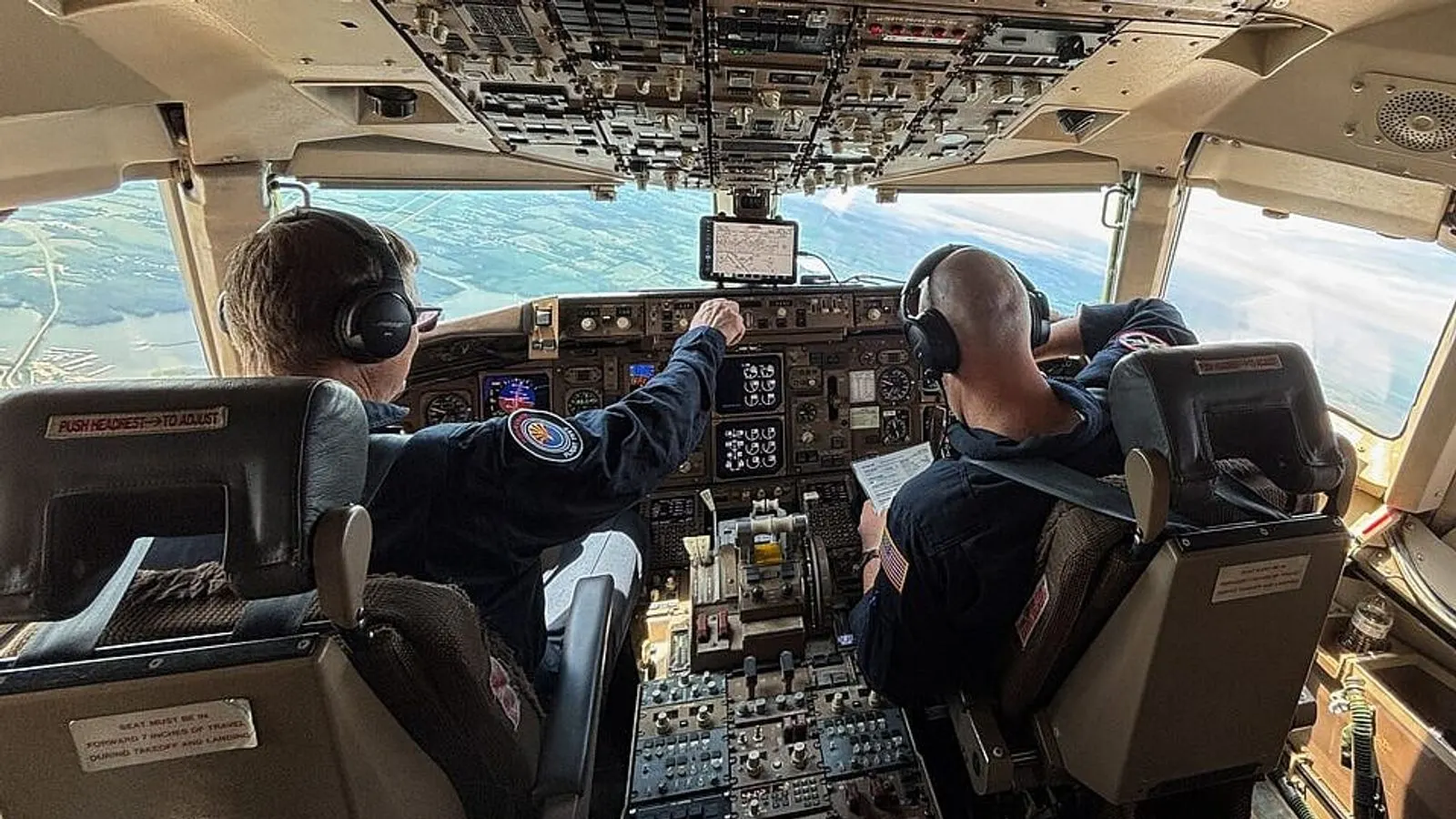
A groundbreaking research study conducted by researchers at Harvard Medical School has revealed that airline pilots and crew members experience a significantly higher rate of radiation-related cancer deaths compared to individuals in other professions. The findings, which shed light on the hidden occupational hazards of working at high altitudes, point directly to the dangers of continuous exposure to cosmic radiation during flights.
To arrive at these concerning conclusions, the research team analyzed death certificates from approximately 12.7 million people who passed away in the United States between the years 2020 and 2024. The extensive study was exceptionally thorough, incorporating data and comparisons across a total of 503 different professions to accurately assess relative occupational cancer risks.
According to the results published in the esteemed scientific publication JAMA Internal Medicine, the statistical increase in mortality is alarming. The data demonstrates that the risk of dying from cancer is 50 percent higher for general flight crew members when compared to workers in standard professions, while the specific risk for commercial and transport pilots stands at over 36 percent higher.
The root cause of these elevated cancer risks is persistent environmental exposure during flight operations. Aviation personnel typically absorb between 3 to 6 millisieverts of cosmic radiation annually in the line of duty. To put this into perspective, a regular passenger who takes ten domestic flights in a single year receives a mere 0.4 millisieverts of radiation.
Addressing the broader regulatory landscape, Vishal Patel noted that while the Federal Aviation Administration formally acknowledges aviation workers as personnel exposed to ionizing radiation, the United States lacks strict exposure limits or robust monitoring systems for airline staff, despite existing international regulations. Highlighting the implications of the new findings, Patel emphasized that this research strongly supports the urgent formulation of protective workplace policies tailored to the specific radiation levels faced by aviation workers.