
Global Lunar Eclipse Offers Spectacular Blood Moon Sighting
A total lunar eclipse will unfold on Friday, creating a striking tawnier-red Blood Moon phenomenon visible across multiple continents. Stargazers can safely view the celestial alignment with the naked eye as Earth passes directly between the sun and the moon.
Stargazers around the world are preparing for a spectacular celestial event as a lunar eclipse is scheduled to take place on Friday, according to astronomical details. During this remarkable planetary alignment, the Earth will position itself directly between the sun and the moon. This precise positioning creates a significant obstruction, preventing direct sunlight from reaching the lunar surface and setting the stage for a dramatic visual transformation in the night sky.
As the event progresses, the peak stage of the lunar eclipse is officially set to arrive at 10:12 am, according to Bangladesh time. Observers across the globe will note that the entire duration of the eclipse will span an extended period lasting for more than five hours. While the cosmic event unfolds over this lengthy timeframe, visibility will vary significantly depending on the geographical location of the observer.
When it comes to viewing the spectacle, the astronomical occurrence will not be directly visible from Bangladesh and the majority of regions across Asia. Instead, the general public and astronomy enthusiasts will find that the eclipse can be enjoyed under the best possible viewing conditions from various regions spanning both North and South America. In addition to the Americas, parts of Europe, Africa, Australia, and Antarctica will also experience aspects of the global event.
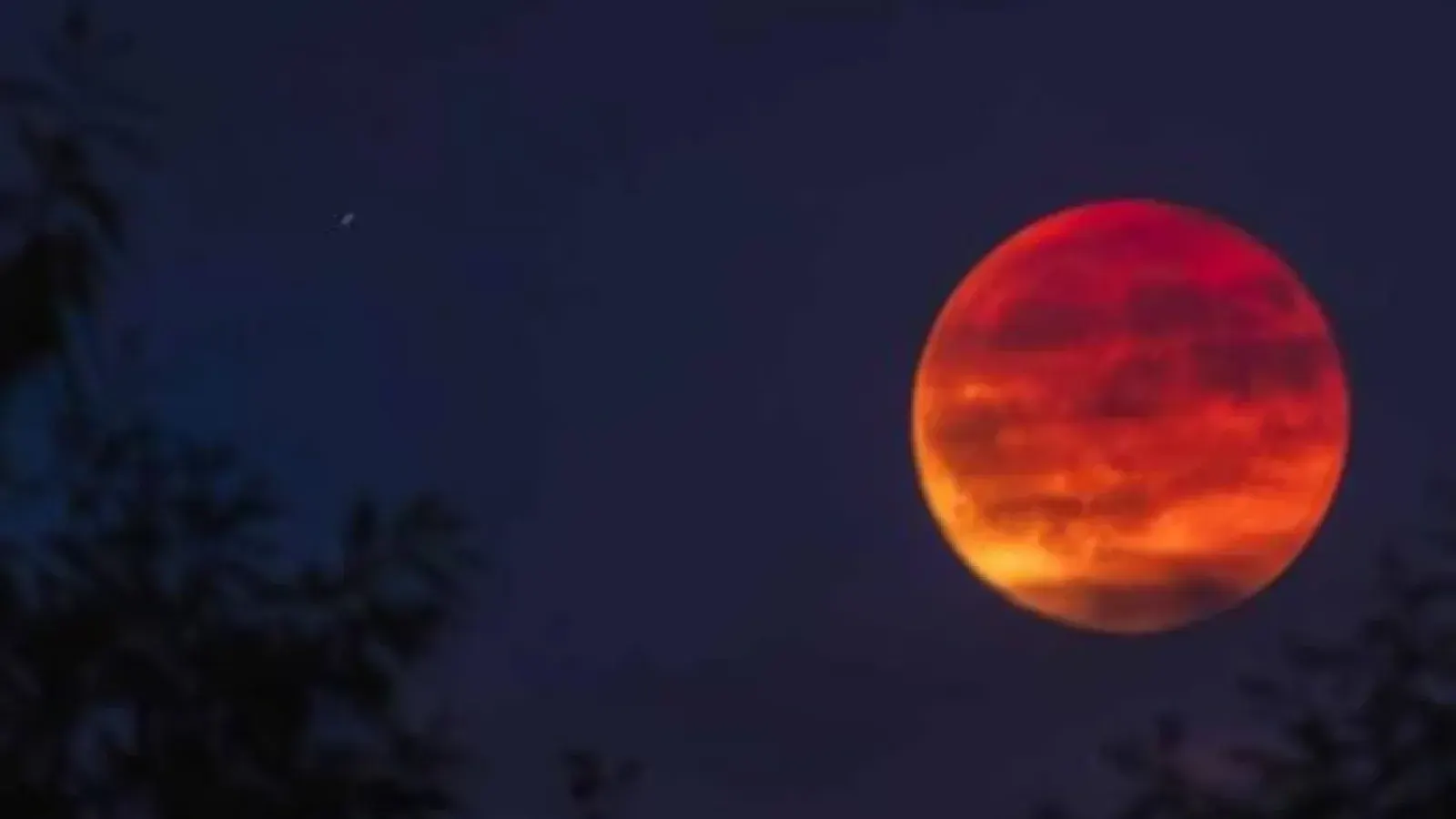
Despite the complete blockage of direct solar rays, the moon will not plunge into total darkness. Instead, some sunlight will successfully filter and penetrate through the Earth's atmosphere, bending toward the lunar surface. This filtered illumination causes the moon to take on a distinctive and striking tawnier-red color, which is commonly referred to by scientists and stargazers alike as a 'Blood Moon'.
For those fortunate enough to be located in the optimal viewing zones, authorities and scientific agencies such as NASA note that watching a lunar eclipse is entirely safe. Unlike solar eclipses, observing a lunar eclipse with the naked eye is completely secure and requires no special protective eyewear. Meanwhile, the astronomical calendar continues to fill up, with another solar eclipse scheduled to take place on the 6th of February, followed quickly by the next lunar eclipse during the night of February 20 to 21.