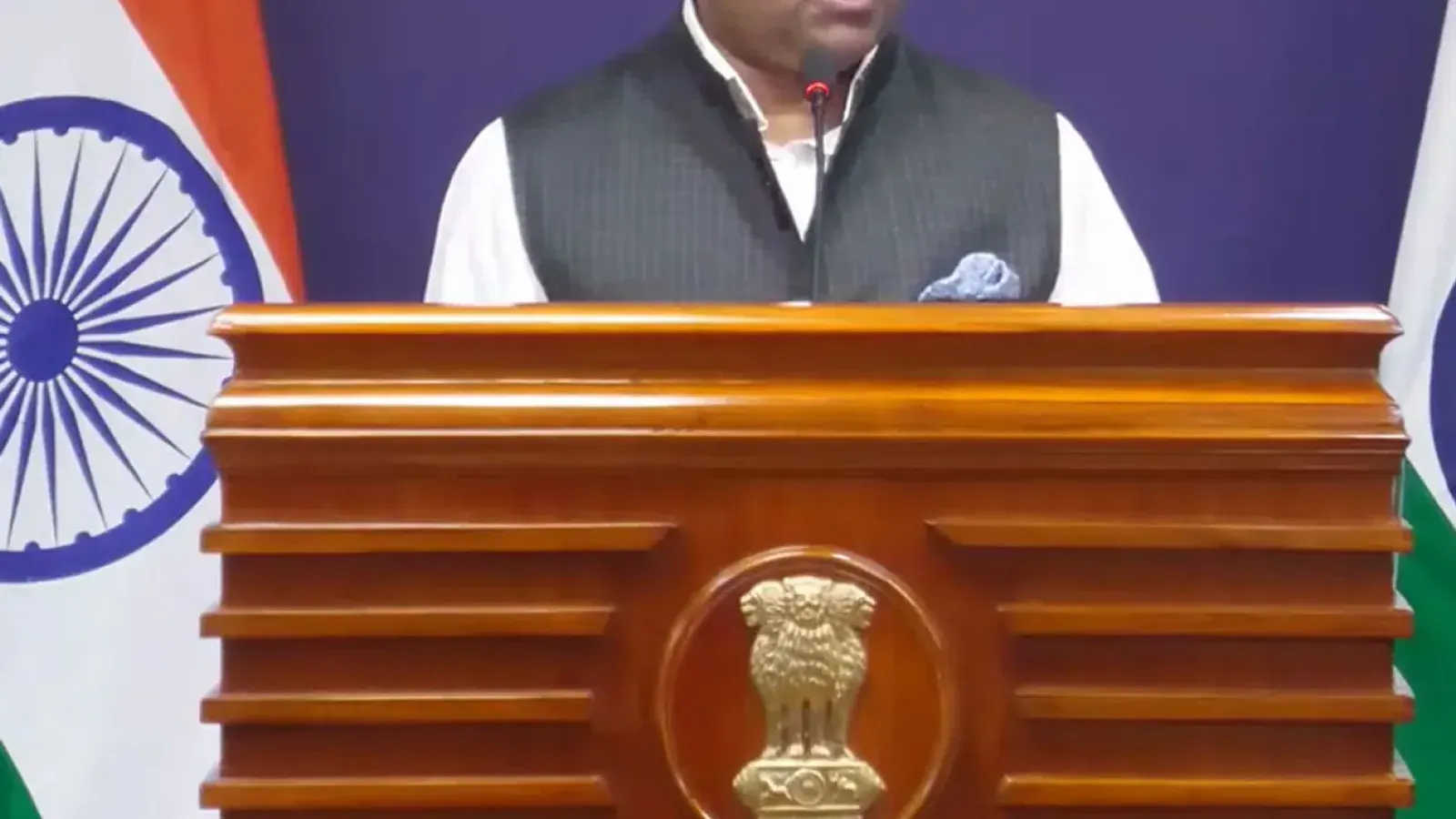
Former Indian Envoy Navdeep Suri Faces Citizenship Hurdles Amid Voter Revision
Former Indian ambassador Navdeep Suri has criticized India's Special Intensive Revision voter list process after encountering verification hurdles. The controversial bureaucratic exercise has previously resulted in millions of voter deletions across multiple states.

Former Indian ambassador Navdeep Suri has openly criticized India's Special Intensive Revision, commonly known as the SIR, voter list process after facing significant citizenship verification hurdles. The diplomatic veteran, who has previously served as India's representative across three foreign nations including the United Arab Emirates and Egypt, found himself entangled in administrative complications regarding his own electoral status within the country.
The administrative ordeal began when Suri submitted his mandatory voter identification card and Aadhaar card to a local booth-level officer in Punjab. Instead of a straightforward verification, he received an official notification stating that his submitted credentials failed to match the records contained within the historical electoral rolls dating back to the year 2003.
Highlighting the absurdity of the verification bureaucratic requirements, Suri pointedly questioned the fairness of the system by stating, After representing India in three countries, if I have to face problems proving my citizenship, what is the fate of the common people? Under the prevailing guidelines of the revision process, individuals whose names do not appear in the voter lists of either 2002 or 2003 are legally required to submit extensive documentation proving their lineage and inheritance.
The broader implementation of the Special Intensive Revision has been marked by substantial controversy and massive statistical reductions in the electorate. The controversial voter verification process was first officially launched in the state of Bihar back in June 2025, during which more than 60 million voter names—including those of deceased individuals—were systematically removed from the active rolls.
The scale of exclusions expanded further ahead of the crucial West Bengal legislative assembly elections, where a staggering 90 million names were ultimately deleted from the official voter lists. These massive numerical reductions have heightened public anxiety surrounding voter disenfranchisement across the nation.
The legal framework governing the identification documents accepted during the revision has also faced judicial scrutiny and shifting parameters. While the Election Commission initially authorized a specific set of eleven documents while excluding the Aadhaar card, the list was subsequently expanded to officially incorporate the Aadhaar card following critical observations made by the Supreme Court of India.