

Experts Reveal Why Full Pants May Not Protect Against Mosquito Bites
A new awareness report from Bangladesh highlights crucial prevention methods against mosquitoes. Scientists explain how fabric tightness and standing water impact mosquito activity.
As awareness grows regarding vector-borne illnesses, health and science reports in Bangladesh have shed light on the realities of avoiding mosquito bites. According to a recent awareness report released on September 9, 2026, understanding how mosquitoes interact with clothing and the environment is vital for effective personal protection.
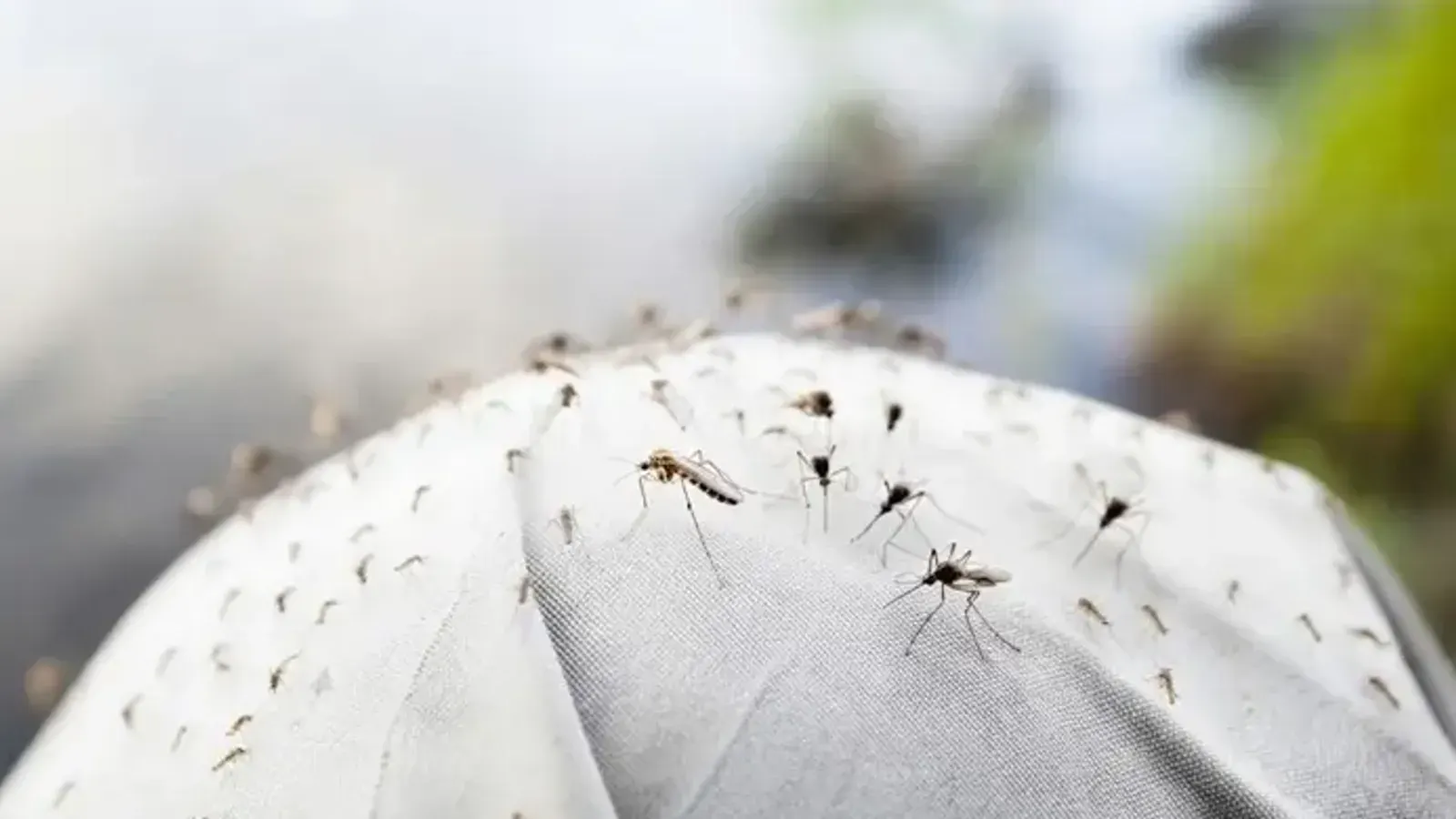
Scientists at North Carolina State University have provided specific insights into how mosquitoes penetrate various types of apparel. According to the researchers, when clothing is made from very thin fabric, the microscopic gaps within the weave are large enough for the mouthparts of a mosquito to reach through and pierce the skin underneath.
The findings also address the common misconception that wearing full pants or tight clothing guarantees total safety. In the case of very tight garments, such as tight leggings, the fabric is stretched directly against the skin leaving virtually no air gap. Consequently, mosquitoes can simply land on the surface of the tight cloth and successfully bite through to the skin.
Beyond clothing choices, the report emphasizes the importance of timing and environmental management in avoiding bites. Experts note that the activity levels of many mosquito species peak significantly during the specific hours of the evening and the early morning.
To effectively curb the spread of mosquitoes, addressing their breeding grounds is essential. The awareness report highlights that mosquitoes typically breed and multiply in stagnant water that accumulates in everyday items such as tubs, buckets, abandoned containers, and drainage systems.