Expert Discussion Highlights Major Risks and Protection for Lung Health
Experts in Bangladesh highlight the severe impact of malnutrition, smoking, and occupational hazards on lung health. The discussion outlines critical preventive measures, from breastfeeding to reducing pollution exposure.
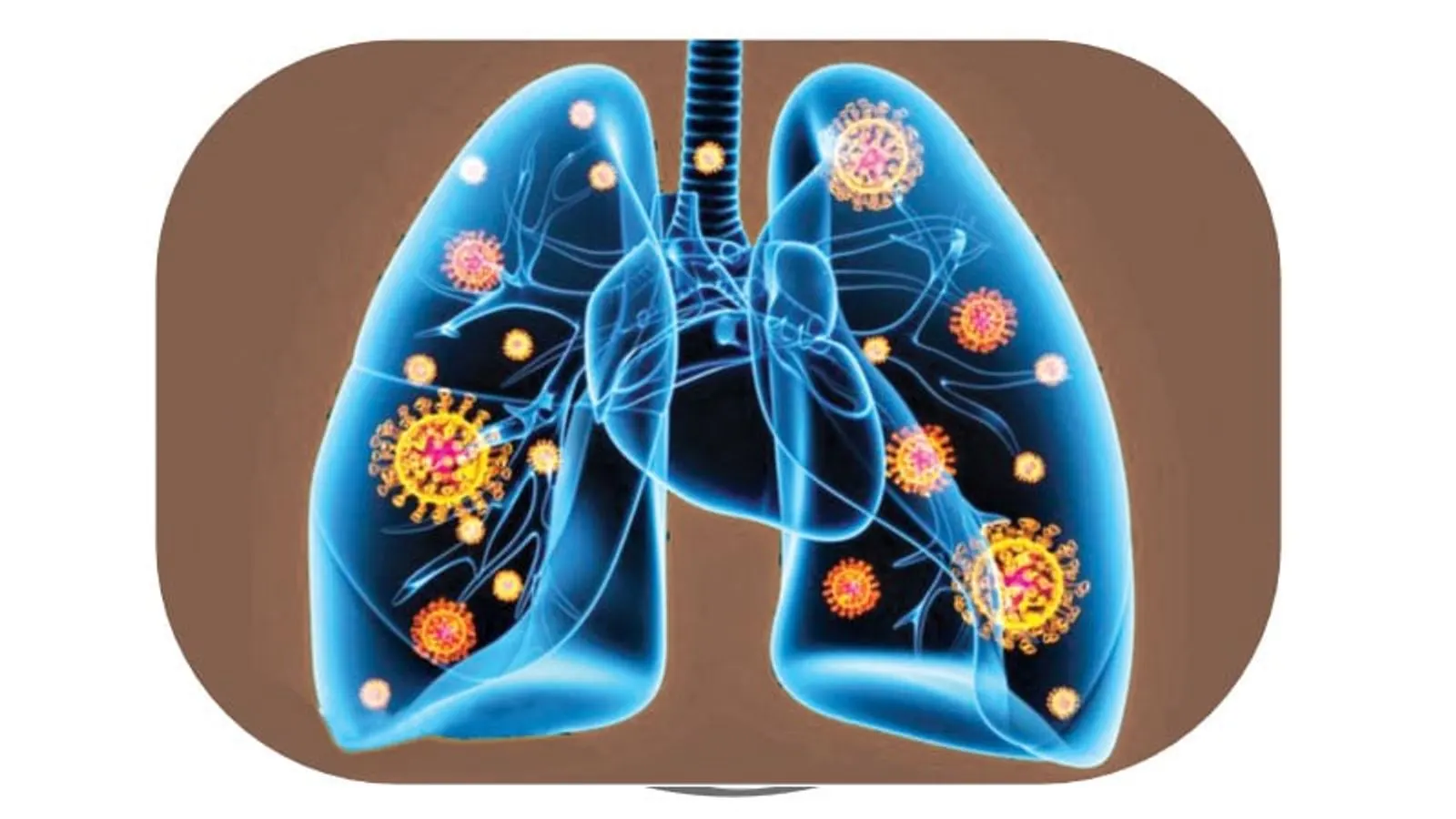
A recent expert discussion held in Bangladesh focused extensively on the critical measures required for lung care and overall health protection. Medical professionals and specialists gathered to address the growing concerns surrounding respiratory health and the various environmental and biological factors that contribute to chronic lung diseases across the population.
According to the findings discussed during the event, a child's susceptibility to lung diseases is significantly heightened by several early-life vulnerabilities. These include maternal malnutrition during pregnancy, infectious diseases, premature births, and low birth weight, all of which lay a fragile foundation for the infant's developing respiratory system.
To combat these early risks, the discussion emphasized the vital importance of postnatal nutrition. Experts noted that feeding infants breast milk after birth plays a crucial role in reducing the incidence and severity of various illnesses, including pneumonia and asthma, thereby strengthening their immune systems during the most formative stages of life.
Furthermore, the session addressed the severe environmental and lifestyle threats that damage respiratory health in later life. Participants highlighted that smoking is profoundly harmful to the lungs, while pervasive air pollution dramatically increases the risk of developing dangerous airway diseases, such as asthma and chronic obstructive pulmonary disease (COPD).
The experts also drew attention to specific high-risk occupational environments that threaten workers' pulmonary systems. Professions involving stone crushing, ship breaking, welding, and fiber-related work were identified as being particularly hazardous to lung health, necessitating stricter safety protocols and heightened awareness among laborers and employers alike.