Essential Health Guidelines for Safe Contact Lens Use and Maintenance
New health guidelines outline critical hygiene and care practices to prevent severe eye infections and corneal damage among contact lens wearers. Proper handling, storage, and replacement schedules are vital for maintaining long-term ocular health.
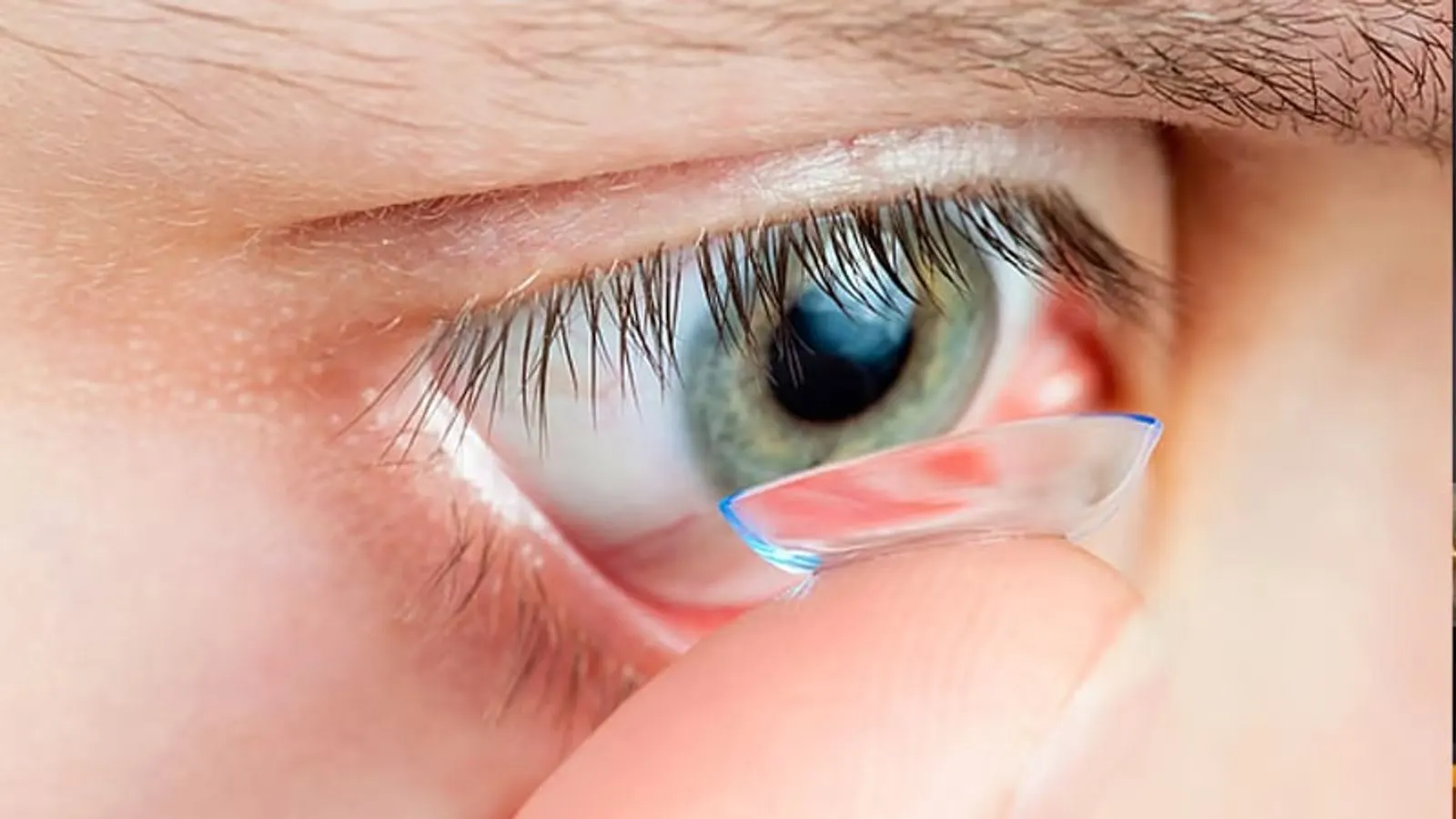
Contact lenses are a popular vision-correction tool worldwide, but improper hygiene and care can lead to severe health complications. According to official health guidelines, wearing or maintaining lenses without adequate precautions can cause painful eye infections, significant physical discomfort, and dangerous corneal ulcers.
Strict hand hygiene is foundational to preventing contamination during the lens application process. Before wearing or removing contact lenses, individuals must wash their hands thoroughly with soap and ensure they are completely dried to avoid transferring harmful microorganisms to the delicate surface of the eye.
Adhering to strict replacement schedules is equally crucial for ocular safety. Daily disposable lenses must never be used for more than a single day. Meanwhile, reusable lenses must be strictly replaced according to a prescribed schedule determined by a qualified eye care professional.
Wearing contact lenses while sleeping poses significant risks to eye health. Unless explicitly advised by an ophthalmologist, sleeping with lenses on severely reduces the oxygen supply to the cornea. This oxygen deprivation substantially increases the likelihood of developing infections, severe inflammation, and corneal ulcers.
Water exposure is another major hazard for contact lens wearers. Tap water, as well as water from swimming pools, lakes, or hot tubs, must never be used to clean or store contact lenses due to the presence of harmful microorganisms. Lenses and their cases should only be managed with appropriate sterile products.
When storing lenses, users must always use fresh solution every single time, and old solution should never be topped up. Furthermore, contact lens cases can rapidly accumulate germs and bacteria over time, meaning they must be cleaned regularly and replaced periodically. Finally, sharing contact lenses with other people is strongly discouraged, as it significantly increases the risk of transmitting bacterial and viral infections.