
CPD Executive Director Dr Fahmida Khatun Evaluates Six-Month Economy
Dr Fahmida Khatun analyses the current administration's six-month economic performance in a recent interview. She highlights key challenges including stubborn inflation, high default loans, and low foreign currency reserves.
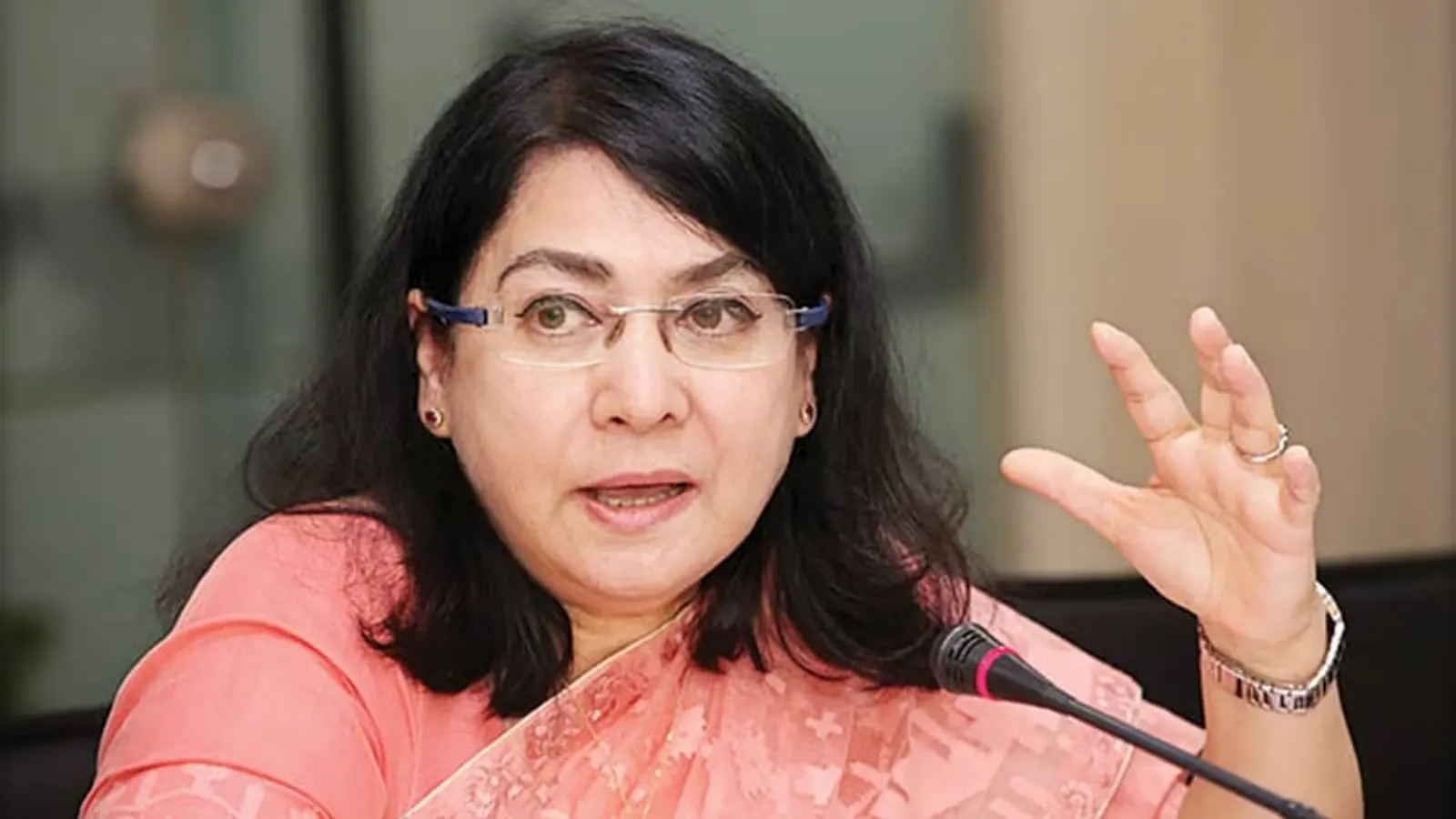
In a recent interview published by Somokal on the occasion of the current government completing six months in office, distinguished economist Dr Fahmida Khatun provided a comprehensive evaluation of the nation's economic landscape in Bangladesh. Dr Khatun currently serves as the Executive Director of the Centre for Policy Dialogue (CPD), one of the country's most prominent think tanks, where she leads critical policy research and economic analysis.
Dr Khatun holds robust academic credentials in the field of economics. She earned both her Master of Science (MSc) and Doctor of Philosophy (PhD) degrees from the prestigious University of London, and further expanded her academic expertise by conducting postdoctoral research at Columbia University in the United States.
Reflecting on the economic conditions inherited by the administration that assumed office following the national elections held in February of this year, Dr Khatun detailed the severity of the initial crisis. Addressing the complex array of financial hurdles, she observed that the current government inherited an economic framework burdened by several deeply entrenched and simultaneously active problems.
Elaborating on these specific structural vulnerabilities during the interview with Somokal, the CPD executive director noted that the economy was grappling with a persistent and prolonged inflationary pressure, an immense volume of defaulted loans within the banking sector, and critically low levels of foreign currency reserves. Furthermore, she pointed out that the administration faced sluggish revenue collection figures, widespread stagnation in private and public investments, deep uncertainties surrounding energy supplies, and an escalating crisis regarding domestic employment opportunities.
Despite the severity of these multi-layered challenges confronting Bangladesh during this transition period, recent economic indicators have begun to show marginal shifts. Official statistics indicate that the domestic inflation rate has experienced a downward movement, successfully dropping from the nine percent bracket down into the eight percent bracket as the administration marks its half-year milestone in governance.