Comilla University Cafeteria Water Filters Broken, Posing Health Risks
Four out of five water filters at the Comilla University cafeteria have long been broken, forcing thousands to drink unsafe water. Students and teachers face severe waterborne disease risks while administrators dispute responsibility for repairs.
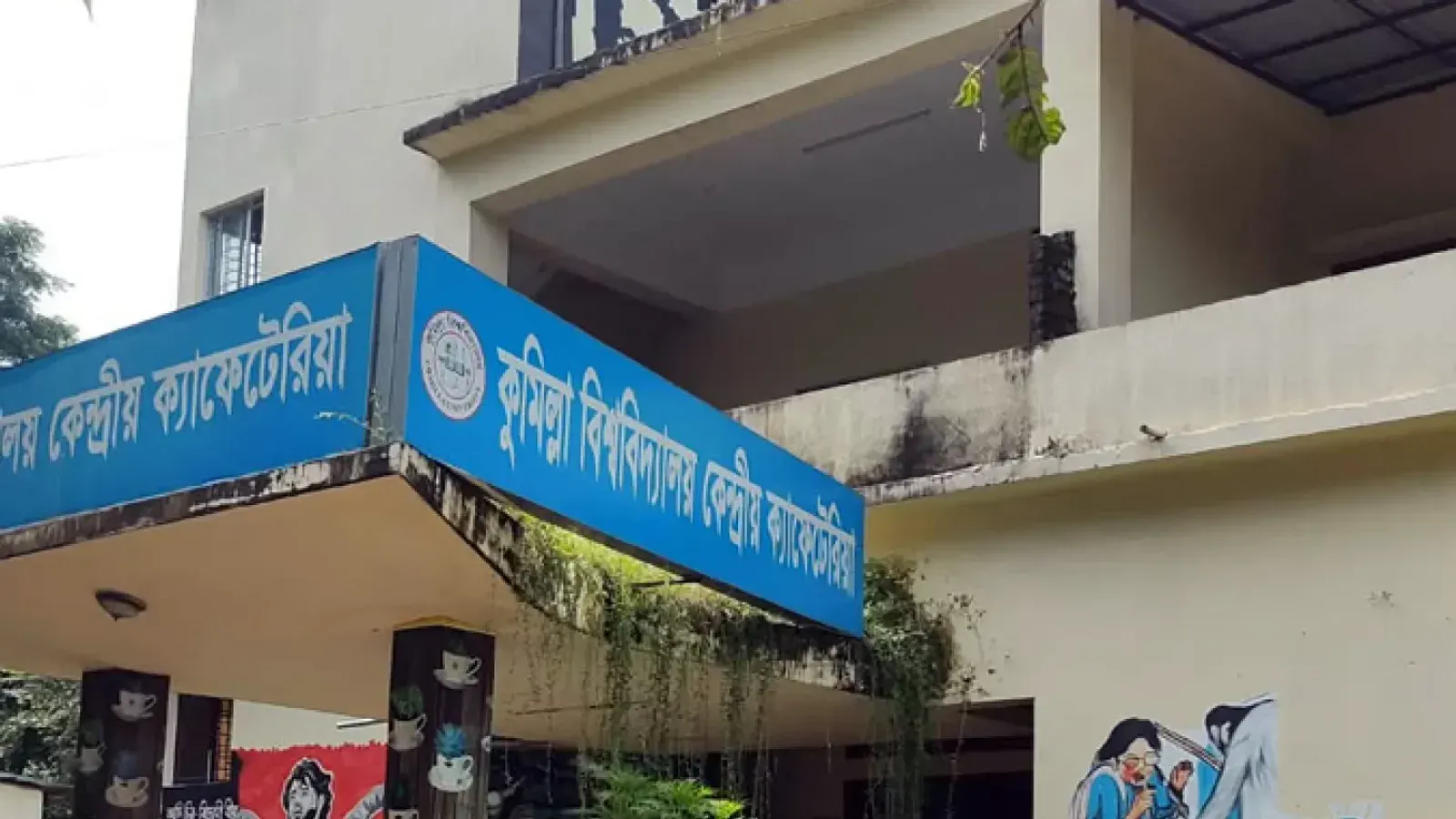
At Comilla University, the sole cafeteria is currently facing a severe crisis as four out of five drinking water filters have remained broken for a long period of time. This malfunction is forcing students, teachers, and staff to consume unsafe water, raising serious health concerns across the campus community. More than seven thousand students, along with over three hundred teachers and officials, rely on this single cafeteria for their daily needs, making the broken infrastructure an urgent crisis.
Because the filters are out of order, students are compelled to drink untreated water directly from the general tanks. Student Mazharul Haq stated that the cafeteria filter has been broken for several months, forcing them to drink impure water and risking waterborne diseases, while demanding that the administration quickly repair the filters to ensure safe and pure drinking water. Another student, Md. Abu Hanif, echoed these concerns, noting that they must drink general tank water and urging the administration to take proper steps to fix the drinking water filter considering the general students' welfare.
The administrative response has revealed internal delays and conflicting accounts regarding responsibility. Farid Uddin explained that the administration was informed multiple times through applications, noting he submitted five applications to the administration about the broken filters before the current Vice-Chancellor took office, and even showed the filter's condition directly to the new Vice-Chancellor during a cafeteria inspection on his second day. However, Md. Harun stated that a requisition was submitted to the Engineering Section, questioning why they have not responded despite being responsible and repeatedly notified.
Meanwhile, S. M. Shahidul Hasan stated that because they did not purchase the equipment, they do not know the warranty or guarantee period nor who installed it, adding that outside individuals who set up the machine must be called and that he repeatedly told the authorities it must be fixed by outsiders. He further noted that they cleaned the roof tank and checked the submersible pump and electricity connection, but the filter is not within their jurisdiction, adding that they are doing everything within their scope.
Student and administrative departments have also weighed in on the situation. Mohammad Julhas Uddin stated that changing the water filters is necessary and should have been done long ago, admitting he only learned about it today and emphasizing that the Student Advice and Guidance Directorate believes broken water filters should be replaced immediately, offering administrative cooperation if needed. Highlighting the medical danger, Mahmudul Hasan warned that impure water can cause waterborne diseases such as diarrhea, dysentery, typhoid fever, and hepatitis A and E viruses, alongside long-term health risks like skin diseases.