
Bangladesh to Buy Waste-to-Energy Power from China at Tk 25 per Unit in Aminbazar
The government has decided to purchase electricity generated from waste at Aminbazar from a Chinese company at a rate of Tk 25 per unit. The 42-megawatt project requires no investment from the Bangladesh government and is expected to join the national grid by August or September 2028.
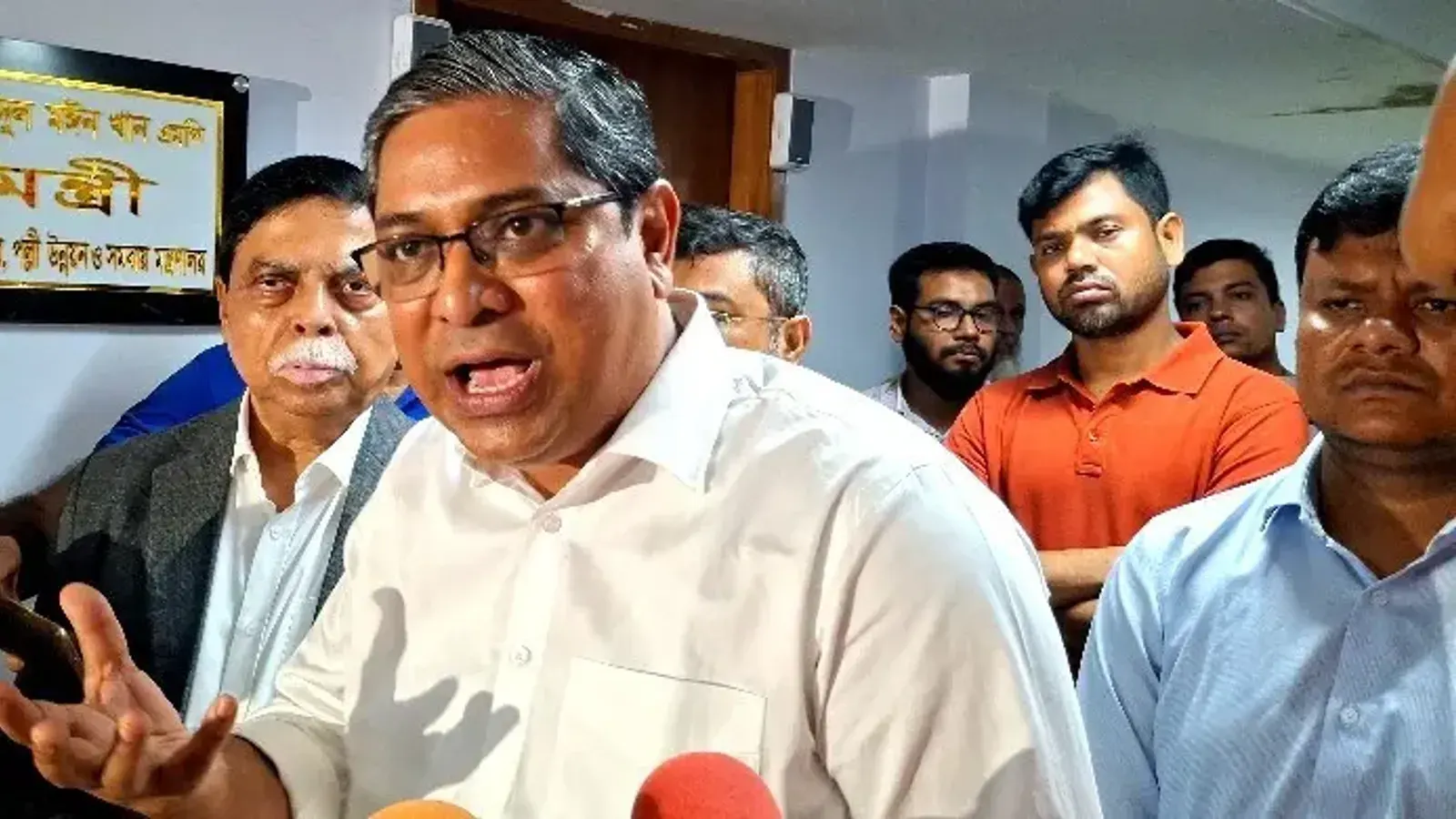
The government of Bangladesh has officially decided to purchase electricity generated from waste at Aminbazar from a Chinese enterprise at a rate of 25 taka per unit. This significant decision was finalized during recent administrative discussions held at the Secretariat in Dhaka on August 27, 2026, marking a notable step forward in the country's waste management and renewable energy sectors.
According to the confirmed details of the initiative, the comprehensive project has a targeted generation capacity of 42 megawatts of electricity. This power plant aims to utilize urban waste systematically to produce clean energy, thereby addressing both environmental concerns and the growing national demand for electricity through sustainable domestic generation practices.
A crucial financial aspect of this international collaboration is that the government of Bangladesh is not required to provide any financial investment for the implementation of this project. The Chinese partner organization, Power China, along with other key stakeholders including local government officials and diplomatic representatives such as Yao Wen, are structurally tied to the broader framework of the undertaking alongside domestic figures like Mir Shahe Alam and Dr. Abdul Moyeen Khan, operating under the purview of the Ministry of Local Government, Rural Development and Co-operatives.
Regarding the project timeline, the waste-to-energy initiative is officially scheduled to go into commercial production within a span of 18 months. Following the completion of this setup phase, the generated electricity is projected to be successfully integrated and connected to the national grid by August or September of the year 2028.
While the broader regional context frequently discusses potential power generation ranges between 40 to 50 megawatts for such infrastructure developments, this specific Aminbazar venture maintains a confirmed blueprint focused squarely on its 42-megawatt output target. As preparations continue under the designated timeframe, the venture stands out as a major milestone for waste-to-energy utilization in the capital city.