Bangladesh Ranks 175th Globally in Environmental Performance Index 2026
Bangladesh has been placed 175th out of 177 countries in the recently published Environmental Performance Index 2026. Experts attribute this poor standing to severe, widespread pollution and uncalculated industrialization.
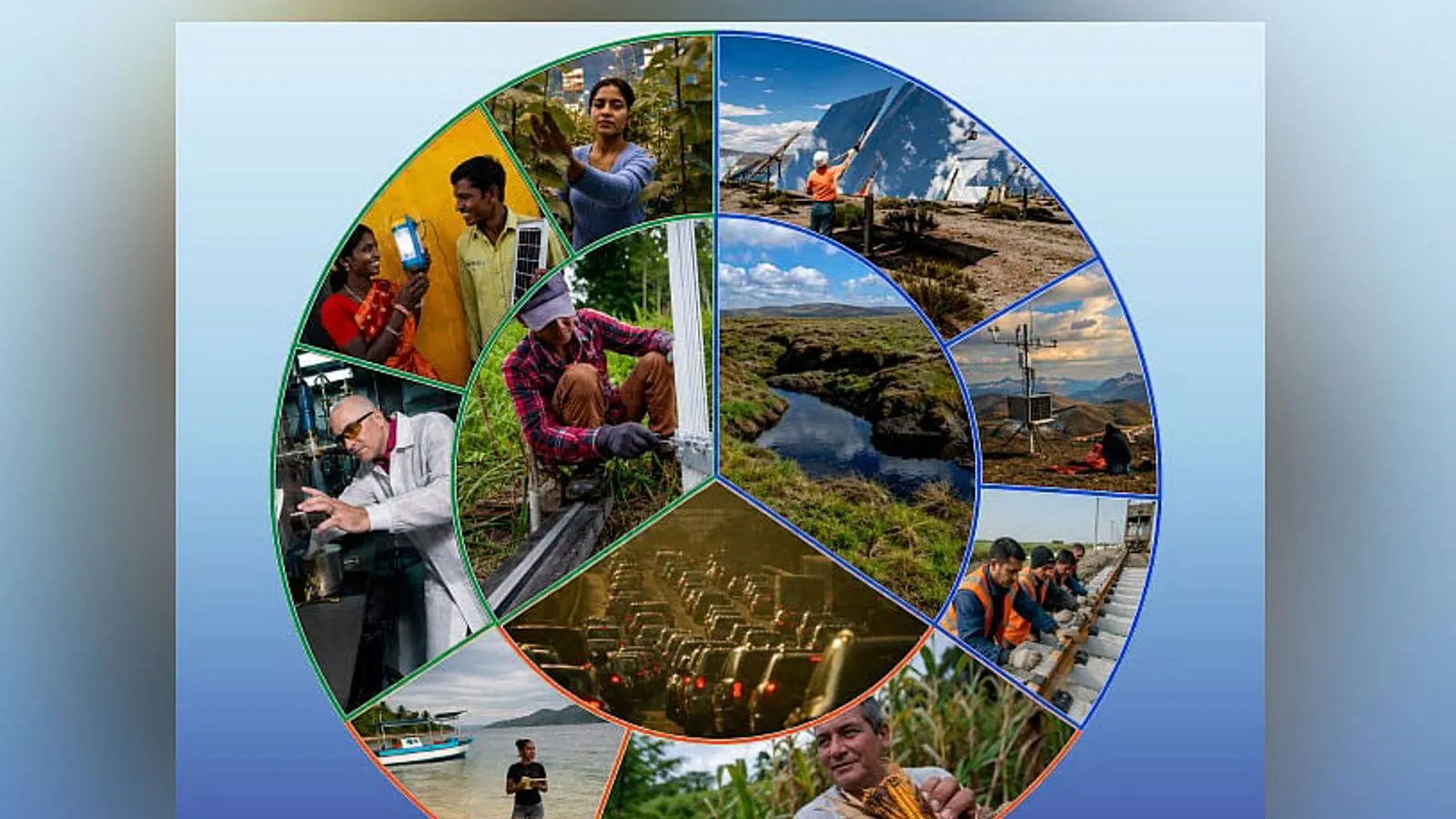
Bangladesh has been ranked 175th out of 177 countries in the newly released Environmental Performance Index (EPI) 2026, according to findings published jointly by Yale University, Columbia University, the US Environmental Protection Agency, and the McCall MacBain Foundation. In this comprehensive global assessment of environmental health and ecosystem vitality, Bangladesh secured a low score of 23.46, placing it among the lowest-performing nations worldwide in terms of ecological preservation and sustainability metrics.
The global rankings place Estonia at the very top of the EPI 2026 index with a leading score of 74.79, followed closely by Luxembourg in second place with a score of 74.24, and the United Kingdom in third place with a score of 71.51. Meanwhile, major global economies and regional neighbors span vastly different positions across the list; the United States secured the 27th position with a score of 58.54, while China was placed 129th with a score of 33.88. Within South Asia and the broader region, Bhutan emerged as the highest-ranked regional nation at 52nd with a score of 47.74, followed by Sri Lanka at 94th, Nepal at 128th, Afghanistan at 135th, Pakistan at 157th, and Maldives at 171st. Notably, Bangladesh sits just above Mali at 174th, Vietnam at 173rd, and immediate regional neighbor India, which ranked 176th with a score of 22.46, with Laos rounding out the index at 177th place.
Reacting to the dismal findings, Sharif Jamil, member secretary of Poribesh Rokkhay Amra (Dhorola) and former general secretary of the Bangladesh Poribesh Andolon (BAPA), stated that the global evaluation of environmental protection is entirely accurate. He emphasized that the country's water, air, and soil are currently severely polluted, noting that not a single river in the nation remains free from pollution. According to his assessment, the people of Bangladesh are now paying a heavy toll for prolonged, unplanned, and unassessed industrialization practices.
Sharif Jamil further pointed out that a persistent misconception exists among a section of policymakers who view environmental conservation and industrialization as mutually contradictory forces. He stressed that this flawed mindset must be eradicated immediately to make way for strict legal measures and the implementation of science-based planning. Without such urgent interventions, he warned, Bangladesh will be unable to escape its shameful position in future global environmental indices.