
Bangladesh Purchasing Additional Boeing Aircraft Amid Economic Challenges
Bangladesh has signed an agreement to purchase 14 aircraft from US-based manufacturer Boeing while simultaneously seeking new loans from the International Monetary Fund. The developments unfold as the country's aviation sector navigates significant growth projections alongside foreign carrier dominance.
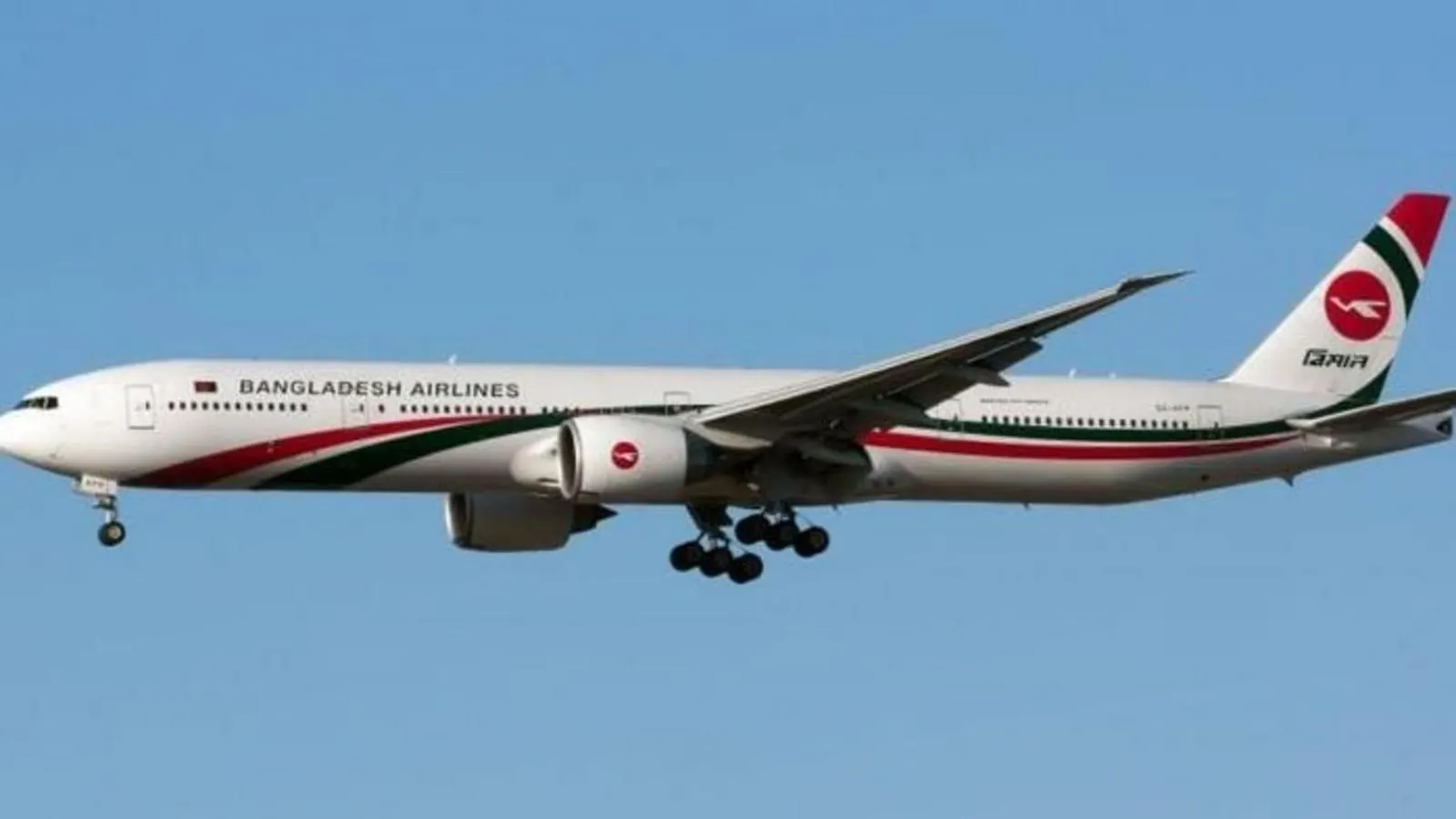
Bangladesh is proceeding with major aviation acquisitions through an agreement to purchase additional aircraft from the United States-based manufacturer Boeing, even as the nation faces notable economic challenges. According to verified information, the Bangladesh government and the state-owned flag carrier previously signed a formal agreement on April 30 of this current year in Dhaka to secure 14 new aircraft from Boeing. This substantial procurement comprises ten 787 Dreamliner models alongside four 737 Max models, representing an estimated market value of 3.7 billion US dollars, which equates to approximately 45,000 crore taka.
This major Boeing acquisition coincides with a period of economic recalibration for the South Asian nation. Official records confirm that the Bangladesh government formally submitted a letter to the International Monetary Fund (IMF) last June to request new financial loans. Despite these pressing economic circumstances, the country's broader aviation sector continues to project significant long-term growth and structural adjustments regarding fleet management and international route operations.
Data concerning the national aviation landscape highlights profound shifts in capacity and market share. Currently, the state-owned Biman Bangladesh Airlines operates a total fleet of 19 aircraft, while also maintaining publicized plans through the aviation ministry to lease an additional 10 aircraft. Meanwhile, private sector carrier US-Bangla has announced its own expansion schedule, committing to incorporate 21 new Boeing aircraft into its operations by the year 2027 to strengthen its competitive standing within the regional and global market.
Market analyses indicate that the entire aviation sector in Bangladesh requires between 7 and 80 large aircraft to meet rising demands over the coming years. At present, international air routes originating from the country reveal that domestic airlines capture only 25 percent of the total passenger market share. In stark contrast, foreign airlines maintain a dominant grip on the remaining 75 percent of the international route market share, underscoring the competitive pressures faced by local carriers.
Passenger traffic projections further illustrate the expanding scale of the national market. The country currently transports approximately one million passengers annually, a figure that is projected to surge to 2.5 million travelers over the next decade. In the context of these competing fleet acquisition strategies, European manufacturer Airbus has also previously advanced commercial proposals to supply six A350-900 widebody aircraft and four A321 Neo narrowbody aircraft to the region.