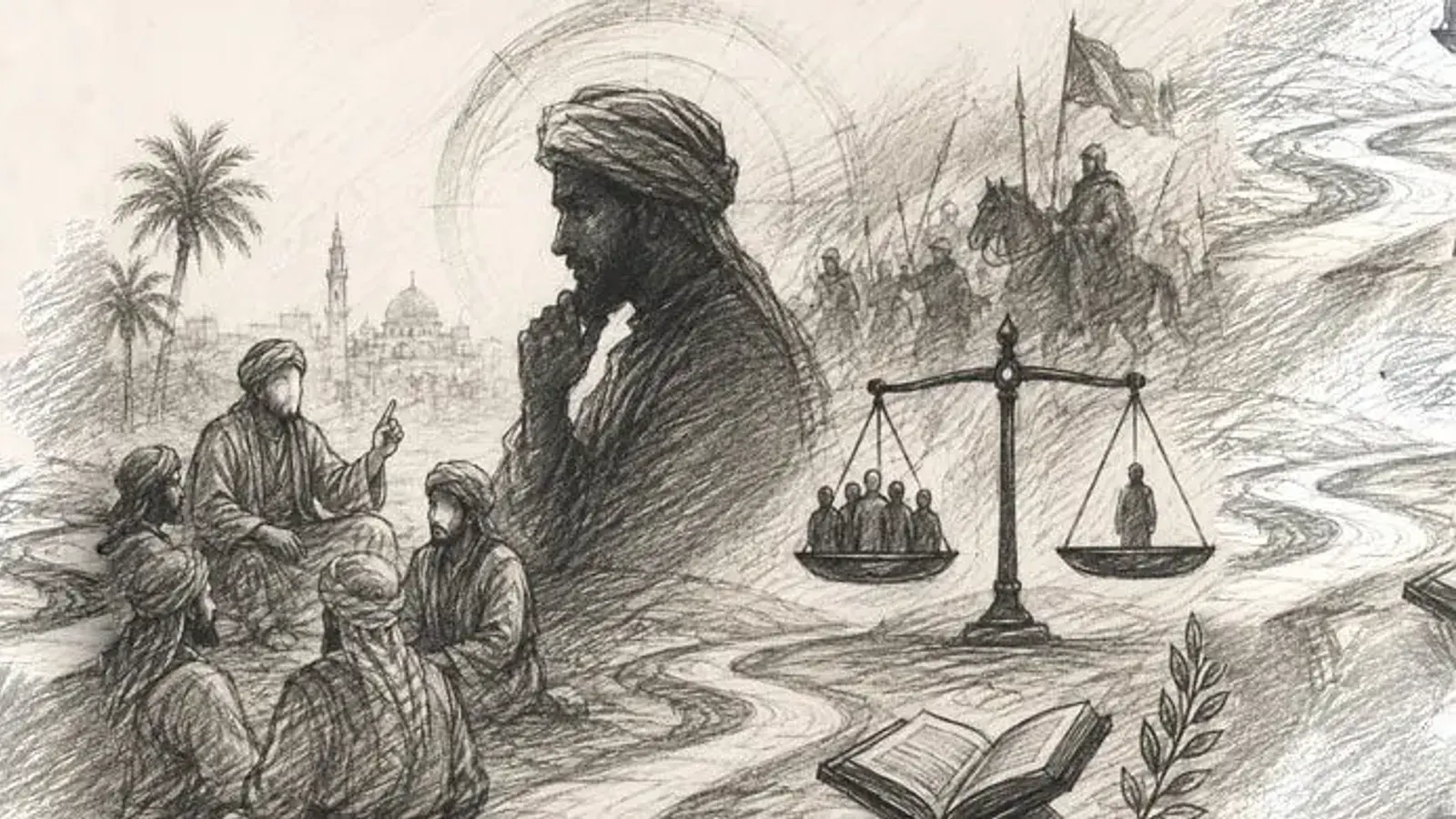

Bangladesh Political Lexicon: From 18th-Century Betrayal to Modern Subservience
An analytical opinion piece examines the evolving political vocabulary of Bangladesh, focusing on historical figures, institutional corruption, and transport extortion. The commentary traces how historical actions and constitutional frameworks shape contemporary political dynamics.
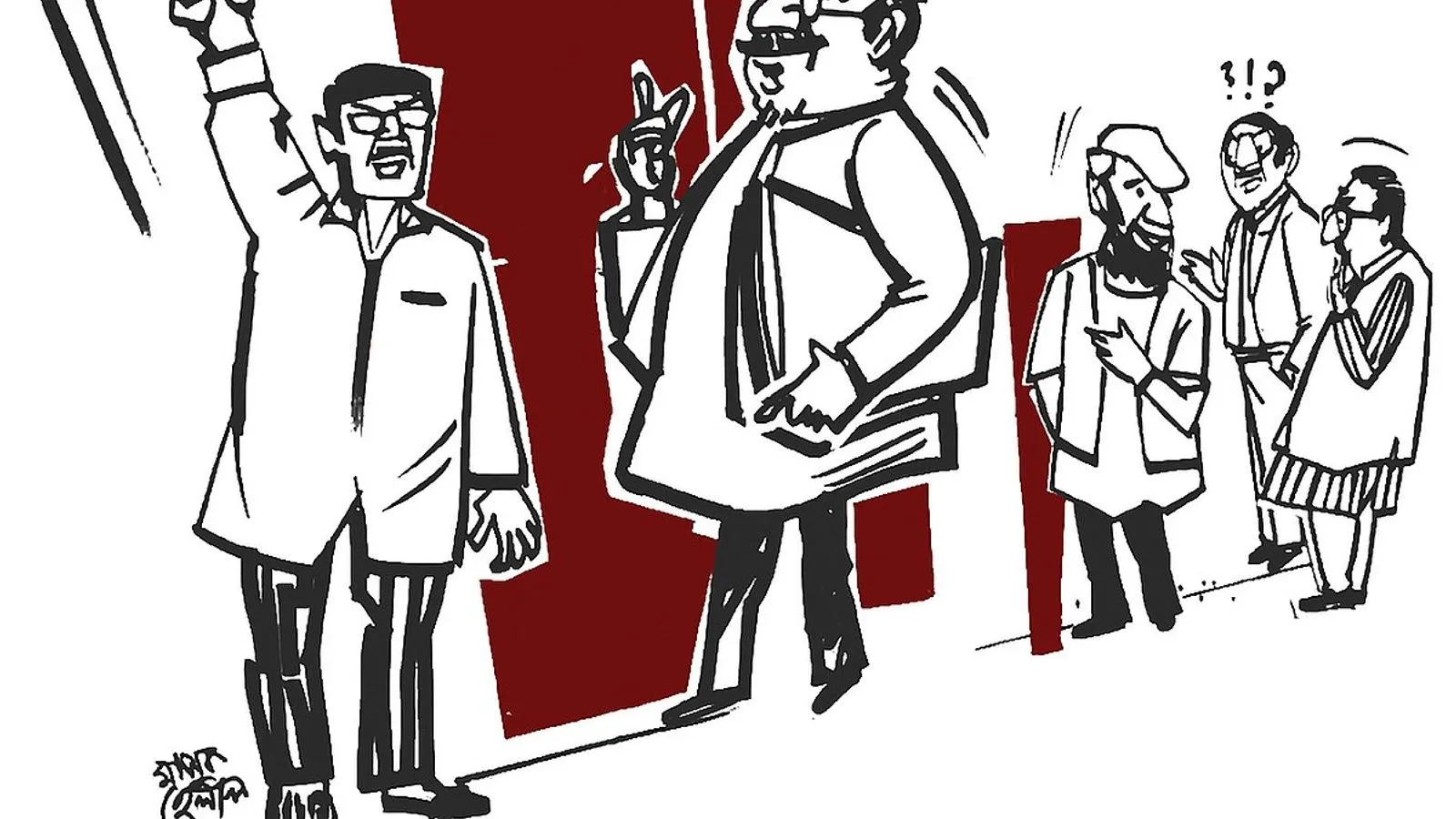
An analytical opinion piece exploring the evolution of political vocabulary in Bangladesh sheds light on deeply rooted historical references, institutional corruption, extortion within the transport sector, and the pervasive culture of political subservience, locally known as daldas. This critical commentary delves into how language and historical memory continue to influence the nation's political landscape, reflecting long-standing power struggles and governance challenges.
Central to this historical reflection is the legacy of Mir Jafar Ali Khan. As a relative and general of Nawab Siraj-ud-Daulah, the ruler of Subah Bangla during the 18th century, Mir Jafar famously conspired with the forces of the East India Company to depose and ultimately kill the Nawab. This pivotal act of treachery remains a fundamental reference point in political discourse, frequently invoked to symbolize ultimate betrayal and foreign collusion within the region's historical narrative.
The analytical piece also contextualizes broader historical and cultural touchstones, including a reference to the battle that took place in Karbala during the 7th century, where many people were killed. By weaving these distant historical events together with more modern political references—such as Hitler, Sheikh Mujibur Rahman, and the political entity BAKSAL—the commentary constructs a comprehensive framework for understanding how authoritarianism and political loyalty are discussed in contemporary society.
Furthermore, the discourse addresses modern administrative and legal structures, specifically highlighting Article 70 of the Constitution of Bangladesh. This constitutional provision relates directly to floor-crossing and the strict maintenance of party discipline for members of parliament. By legally binding lawmakers to their respective political parties, Article 70 plays a crucial role in shaping legislative behavior and reinforcing centralized party control within the nation's democratic institutions.
Ultimately, this examination of political vocabulary connects foundational historical grievances and constitutional mechanisms with the everyday realities of governance in Bangladesh. Through a careful analysis of past betrayals, systemic transport sector extortion, and the enduring culture of subservience, the opinion piece offers a profound look at the complexities defining the country's political evolution.