

Bangladesh Observes Civil Service Day Amid Historical Reflection
Bangladesh marks Civil Service Day on September 1, reflecting on a bureaucratic history that stretches back to the East India Company. Historical milestones include Warren Hastings's 1772 revenue reforms and the formation of the ASRC in March 1972.
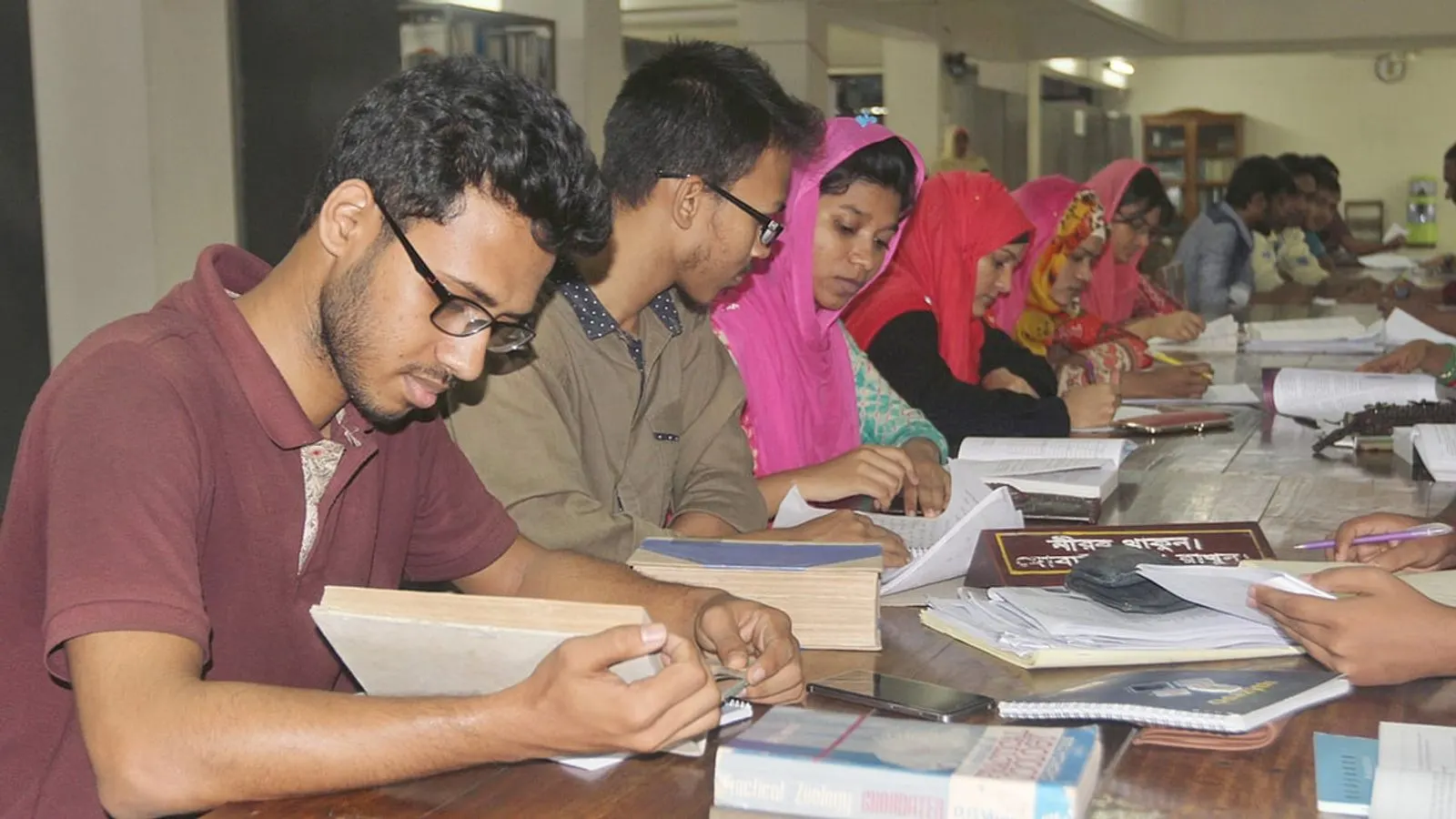
Bangladesh observes 'Civil Service Day' on September 1, marking an important occasion to reflect on the historical evolution, administrative framework, and institutional identity of the nation's bureaucracy. This annual observance highlights the ongoing significance of public administration within the country, drawing attention to the structural foundations that have shaped governance practices from the colonial era through to the modern independent state.
The historical roots of this administrative apparatus trace back centuries, beginning long before the establishment of the contemporary state. Specifically, the East India Company received an official trading charter from the British royal family on December 31, 1600. This foundational document initiated a corporate and commercial presence that eventually transformed into territorial administration and colonial rule across the subcontinent.
Decades after establishing its trading foothold, the colonial administration underwent significant structural changes under early British leadership. Warren Hastings reorganized the revenue administration in 1772, establishing systems of tax collection and civil governance that laid the groundwork for future bureaucratic institutions under British imperial authority in the region.
Following the independence of Bangladesh, the government quickly moved to restructure the inherited administrative machinery to meet the needs of a sovereign nation. In this context, the Administrative and Services Reorganization Committee (ASRC) was formed in March 1972 to evaluate and redesign the public service framework, operating alongside later bodies such as the Pay and Services Commission.
The broader institutional architecture of the modern Bangladeshi bureaucracy has experienced various salary and structural adjustments over the decades, including instances where salary scales were reduced by the National Pay Commission to around 2200 to 10. Today, the administrative system encompasses a diverse professional structure, featuring twenty-six BCS cadres currently operating across various ministries and departments.