
Bangladesh Marks August 15 Anniversary Amid Historic Reflection
Bangladesh observes the death anniversary of Sheikh Mujibur Rahman and reflects on the August 15, 1975 assassination. The solemn date recalls the tragedy that claimed dozens of lives and plunged the nation into decades of political instability.
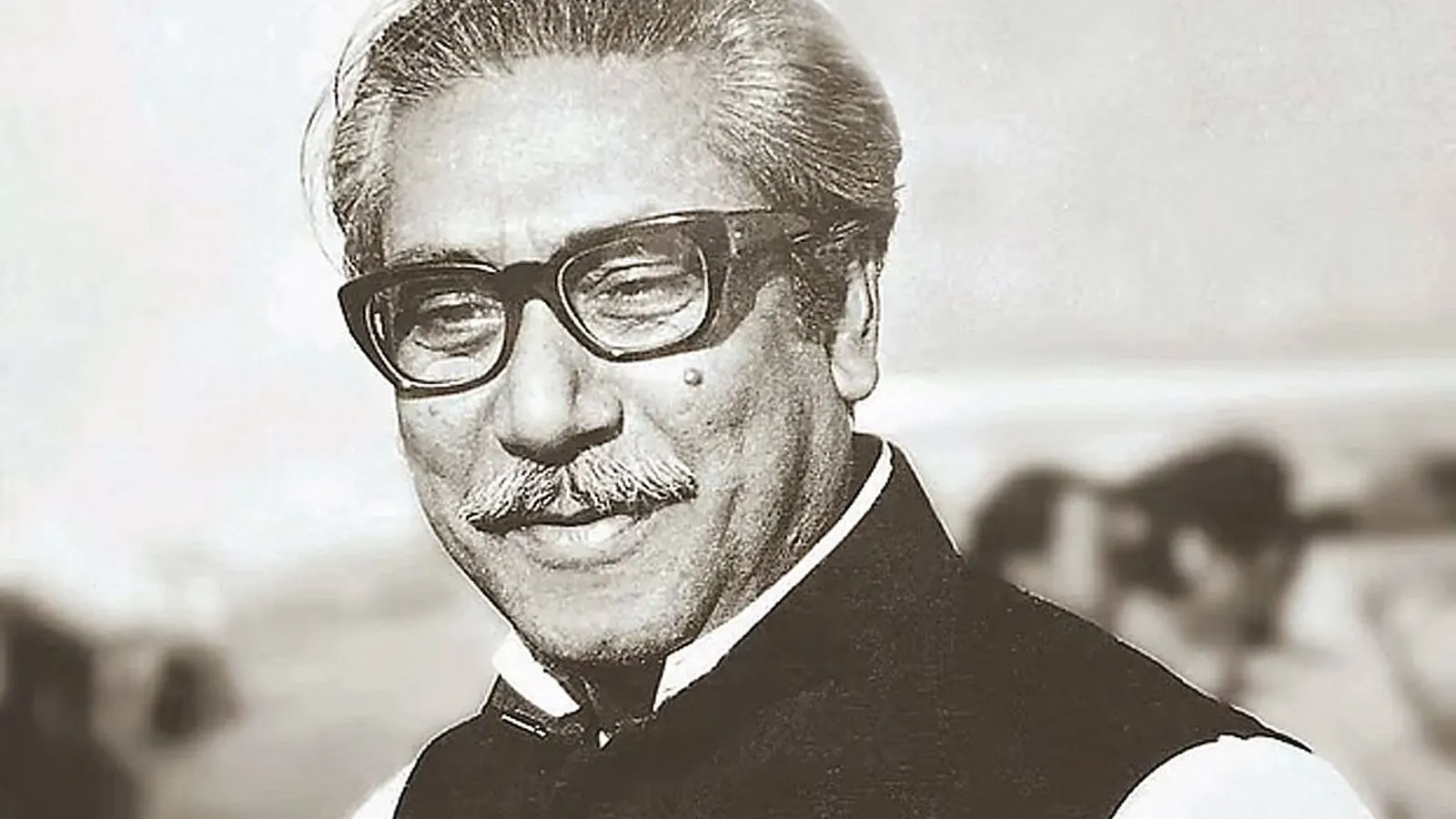
Bangladesh marks the solemn death anniversary of Sheikh Mujibur Rahman alongside a historical retrospective on the events of the August 15, 1975 assassination. Born on March 17, 1920, in Gopalganj, Sheikh Mujib spent 14 out of the 55 years of his life in jail while fighting for his people. He famously declared during his political career, 'এবারের সংগ্রাম আমাদের মুক্তির সংগ্রাম, এবারের সংগ্রাম স্বাধীনতার সংগ্রাম,' leading the nation as it eventually gained independence and he ruled for 3.5 years from 1972 to 1975.
On the dawn of August 15, 1975, a group of disgruntled army personnel carried out a devastating attack that left 48 people dead, including family members and relatives. The horrific violence unfolded at the historic Dhanmondi 32 residence and other locations, claiming the lives of Sheikh Mujibur Rahman, Begum Fazilatunnesa Mujib, Sheikh Kamal, Sheikh Jamal, Sheikh রাসেল, Sultana Kamal, Rozi Jamal, Sheikh Abu Naser, Colonel Jamil, Siddiqur Rahman, Syed Mahbubul হক, Sheikh Fazlul Haq Moni, Arju Moni, Abdur Rab Serniabat, Baby, Arif Serniabat, Sukanto Babu, Sajeeb Serniabat, Abdul Naim Khan, and Julius Caesar. Among those who perished in the wider network of violence were figures associated with the events of that fateful day.
International and historical publications have long documented the profound global impact of the assassination. BBC History Magazine's June 2022 list, featuring 50 assassinations, ranked Sheikh Mujibur Rahman in the 5th position globally. Source material notes that at least 30 presidents and prime ministers have been killed globally since WWII. Historical analysis published in History Extra Magazine observed regarding the aftermath: 'মুজিবুরের হত্যাকাণ্ড নবীন জাতিটিকে বহু বছরের জন্য ধারাবাহিক পাল্টা-ক্যু ও রাজনৈতিক অস্থিরতায় ডুবিয়ে দেয়।' The coup also brought figures like Khondaker Mostaq Ahmad into political focus during a turbulent era involving organizations such as the Awami League, JSD, Bakshal, Juba League, and the Muslim League, alongside international actors including the CIA and figures like Lawrence Lifschultz, Benazir Bhutto, Tajuddin Ahmad, and others mentioned in historical records.
In the wake of the 1975 massacre, Sheikh Hasina and Sheikh Rehana survived because they were abroad in Brussels, Belgium. It took 21 years before the Awami League came to power in 1996 under Sheikh Hasina's leadership, at which point the formal murder trial was finally initiated. The legal battle reached a significant milestone on November 8, 1998, when a court sentenced 15 defendants to death. A higher court subsequently upheld the death sentences for 12 of those defendants. To date, six of the death sentences have been executed, one defendant died abroad, and five defendants still remain fugitives from justice.
The legacy and commemoration of August 15 have faced significant shifts in recent years within Bangladesh. August 15 was previously observed as National Mourning Day, complete with a government holiday. However, this official designation was canceled following the fall of Sheikh Hasina's government in the July uprising of 2024. Furthermore, the historic Dhanmondi 32 residence itself was targeted, vandalized, and set on fire on August 5, 2024, and was later subjected to further demolition, marking another dramatic chapter in the turbulent history surrounding the events of 1975.