

Bangladesh Issues Health Guidelines on HIV Transmission and Prevention
Official guidelines issued in Bangladesh outline the primary transmission routes of HIV, which gradually weakens the human immune system. The health advisory details prevention methods, including antiretroviral therapy and safe practices, to reduce infection risks.
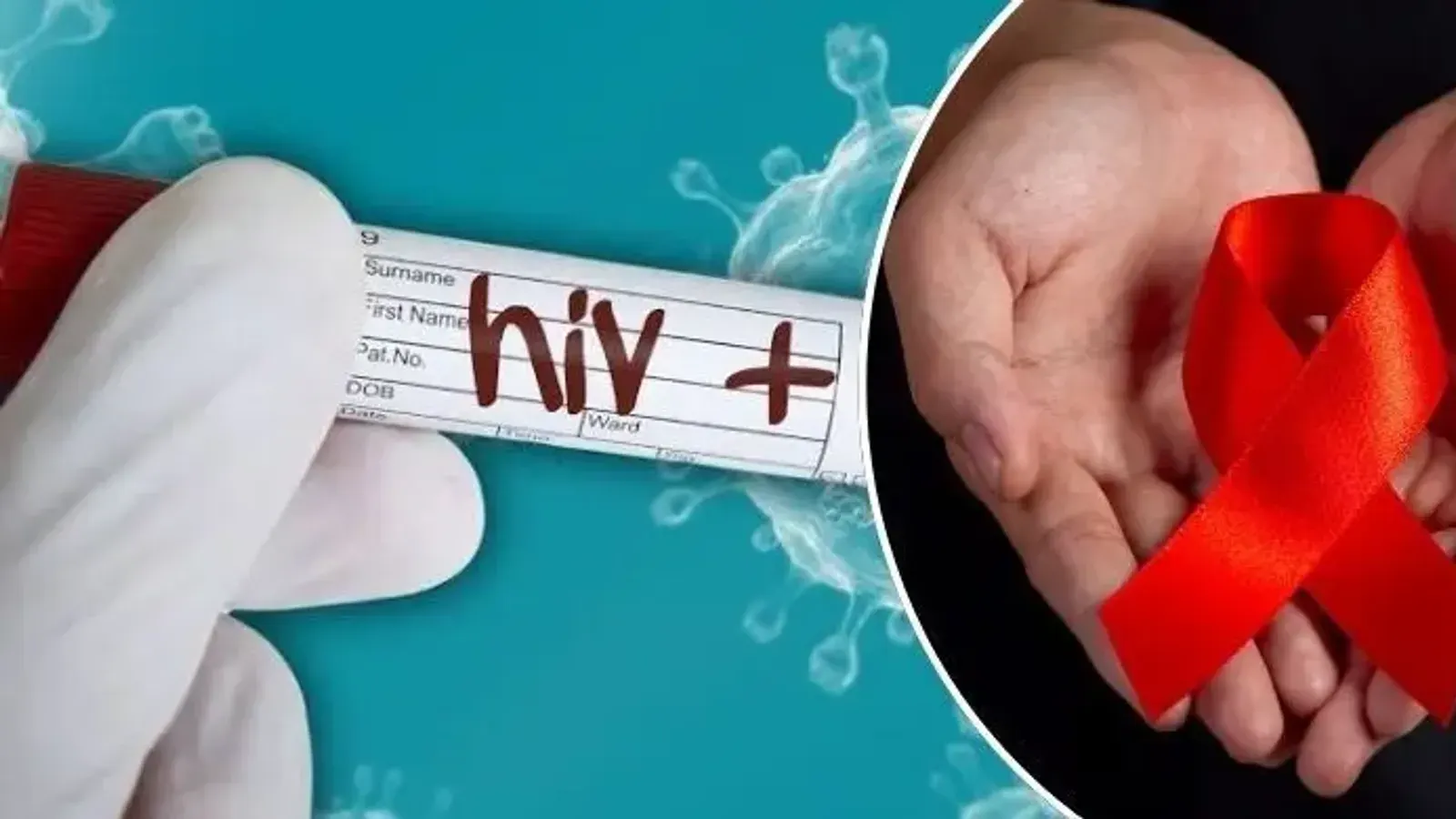
Health awareness and prevention guidelines regarding HIV and AIDS transmission have been officially outlined, focusing on how the virus impacts the human body. According to the verified advisory, HIV progressively weakens the body's natural immune system, making it increasingly difficult for individuals to fight off various infections and diseases over time.
The guidelines specify that the virus is transmitted through specific bodily fluids of an infected person. These confirmed transmission fluids include blood, semen, vaginal and rectal fluids, and breast milk. Furthermore, unprotected sexual intercourse is identified as one of the primary pathways for the transmission of the HIV infection.
Additionally, the advisory highlights the risk of mother-to-child transmission. An infected mother can pass the virus to her child during pregnancy, at the time of childbirth, or through the act of breastfeeding. Understanding these specific routes is considered essential for implementing effective prevention strategies across the region.
To dispel common misconceptions, the guidelines explicitly state how the virus does not spread. Casual contact, such as shaking hands with an infected person, embracing them, using the same eating utensils, or sustaining mosquito bites, does not transmit HIV. Public health awareness efforts rely heavily on clarifying these safe behaviors.
Regarding medical interventions and treatment, the official information notes that individuals at risk of the HIV virus can significantly reduce the risk of spreading it by taking specific medication regularly, with studies showing a reduction rate of ninety-nine percent. Moreover, patients can effectively lower the amount of the virus present in their bodies by maintaining a routine of regular antiretroviral therapy.