Bangladesh Industries Turn to Oil Amid Severe National Gas Crisis
Industrial diesel and furnace oil consumption surged across Bangladesh during the first 15 days of August 2024 following a severe national gas crisis. State-run petroleum distributors reported massive spikes in sales as factories scrambled to maintain production.
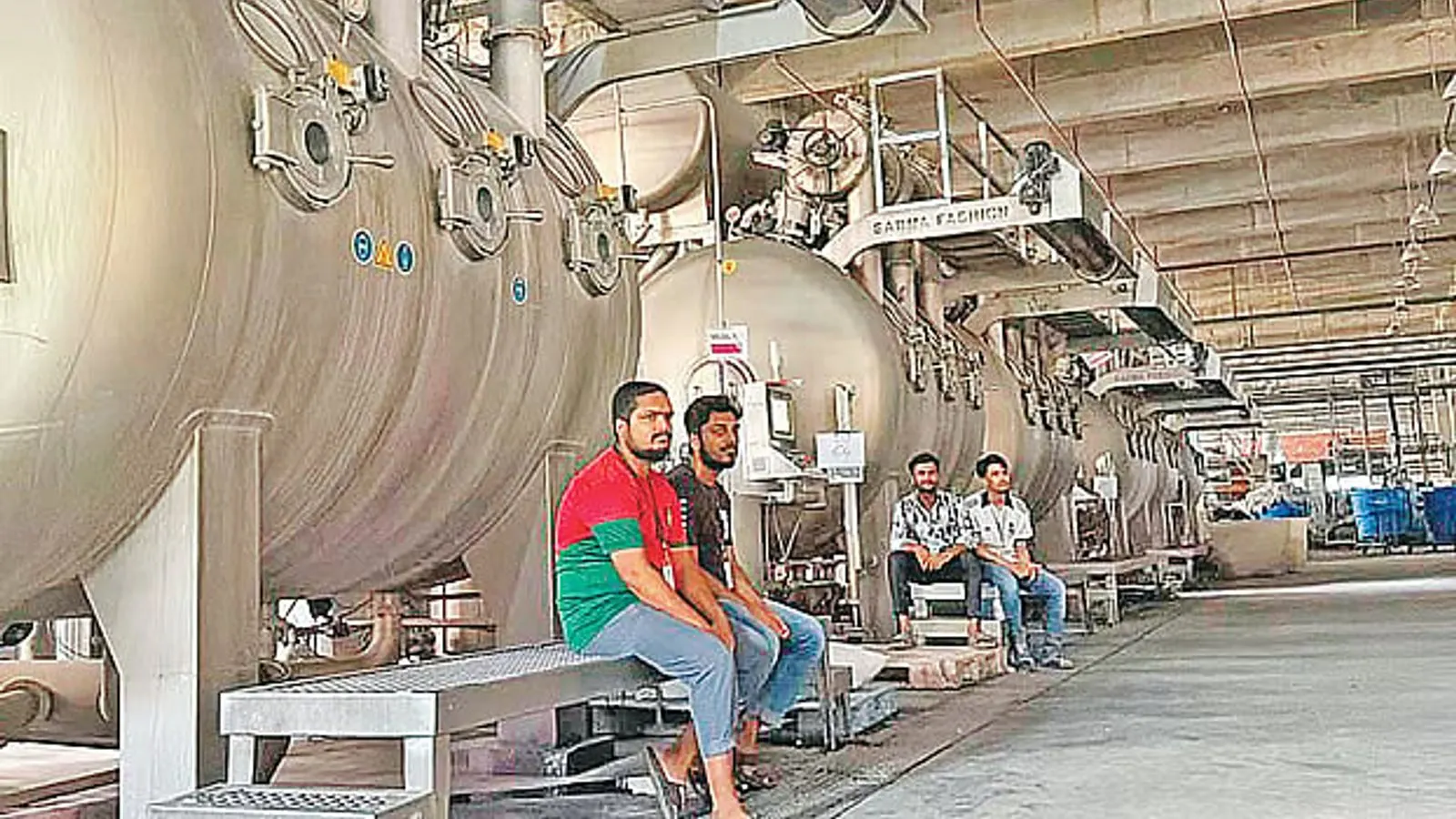
Bangladesh experienced a severe industrial gas crisis during the first fifteen days of August 2024, forcing manufacturing plants across the country to significantly increase their consumption of diesel and furnace oil. According to official data from Petrobangla, the gas crisis intensified sharply after an accidental fire occurred at Excelerate Energy's floating liquefied natural gas (LNG) terminal located in Moheshkhali. This disruption severely crippled the energy supply chain, causing gas deliveries to the national grid to plummet to approximately 2.22 billion cubic feet per day, whereas the total national demand stands at roughly 3.8 billion cubic feet per day.
As a direct result of this massive supply deficit, industrial production faced widespread disruptions, compelling factories to rely heavily on alternative liquid fuels. State-run oil distribution companies—namely Padma Oil, Meghna Petroleum, and Jamuna Oil—recorded extraordinary surges in their sales volumes of both diesel and furnace oil during the initial fortnight of August 2024. Official figures indicate that cumulative sales reached 179,538 tonnes of diesel, averaging roughly 11,969 tonnes daily, alongside 66,688 tonnes of furnace oil, averaging approximately 4,446 tonnes daily across the country.
Individual state distributors witnessed staggering growth percentages in their commercial and industrial sectors. Padma Oil reported that its diesel sales grew by nearly 29 percent, while its furnace oil sales skyrocketed by an unprecedented 174 percent. Similarly, Meghna Petroleum saw its diesel distribution increase by nearly 21 percent, alongside a 152 percent surge in furnace oil sales. Jamuna Oil experienced an even sharper escalation, recording a 33 percent growth in diesel supplied to industrial establishments and a remarkable 224 percent jump in furnace oil sales destined for industrial plants and power generation facilities.
Prominent industrial enterprises across Bangladesh reported dramatic escalations in their fuel requisitions to keep their operations running. According to records from the distribution network, Incepta Pharmaceuticals increased its diesel intake by nearly 67 percent, while Bengal Glass saw its diesel requirements surge by approximately 133 percent. Furthermore, AKM Knitwear of the Al-Muslim Group experienced a 200 percent rise in diesel consumption, and Acme Laboratories recorded a staggering spike of nearly 306 percent. The demand expansion was even more pronounced among larger conglomerates, with Jamuna Group increasing its diesel procurement by 350 percent and SK+F Pharmaceuticals witnessing a massive 700 percent increase in diesel uptake. Other notable companies experiencing these operational shifts included BSRM, Far East Knitting and Dyeing Industries, Crown Wires (Private) Limited, and Summit, alongside the broader oversight of the Bangladesh Petroleum Corporation (BPC).
Addressing the unfolding industrial scenario, Mo. Mofizur Rahman explained that the fuel demand from factories has grown significantly due to the ongoing gas shortage, noting that the pressure is particularly acute in industrial clusters surrounding Dhaka, including Narayanganj and Gazipur, though he assured that the situation is currently being managed. Echoing these remarks, Mo. Shahirul Hasan confirmed that despite the surge in industrial orders, the overall supply chain remains normal, emphasizing that the elevated demand is primarily concentrated within the Dhaka region as manufacturing plants aggressively seek supplementary energy sources to sustain their daily production schedules.