
Bangladesh holds first contested presidential election in 35 years
BNP candidate Mirza Fakhrul Islam Alamgir won the presidential election at the Jatiya Sangsad Bhaban with 255 votes. Six members of parliament abstained from voting in the August 20 poll.
In a significant political development on August 20 at the Jatiya Sangsad Bhaban, Bangladesh witnessed its presidential election held via a voting process after a span of thirty-five years. The election determined the country's twenty-third president, with the Bangladesh Nationalist Party (BNP) fielding its candidate, Mirza Fakhrul Islam Alamgir, to contest the high-profile state position.
The electoral contest involved a total of three hundred and forty-nine eligible voters registered for the process. Following the conclusion of the voting procedure, BNP candidate Mirza Fakhrul Islam Alamgir secured a decisive victory by obtaining two hundred and fifty-five votes. His opponent in the race, Oli Ahmad, accumulated a total of eighty-eight votes.
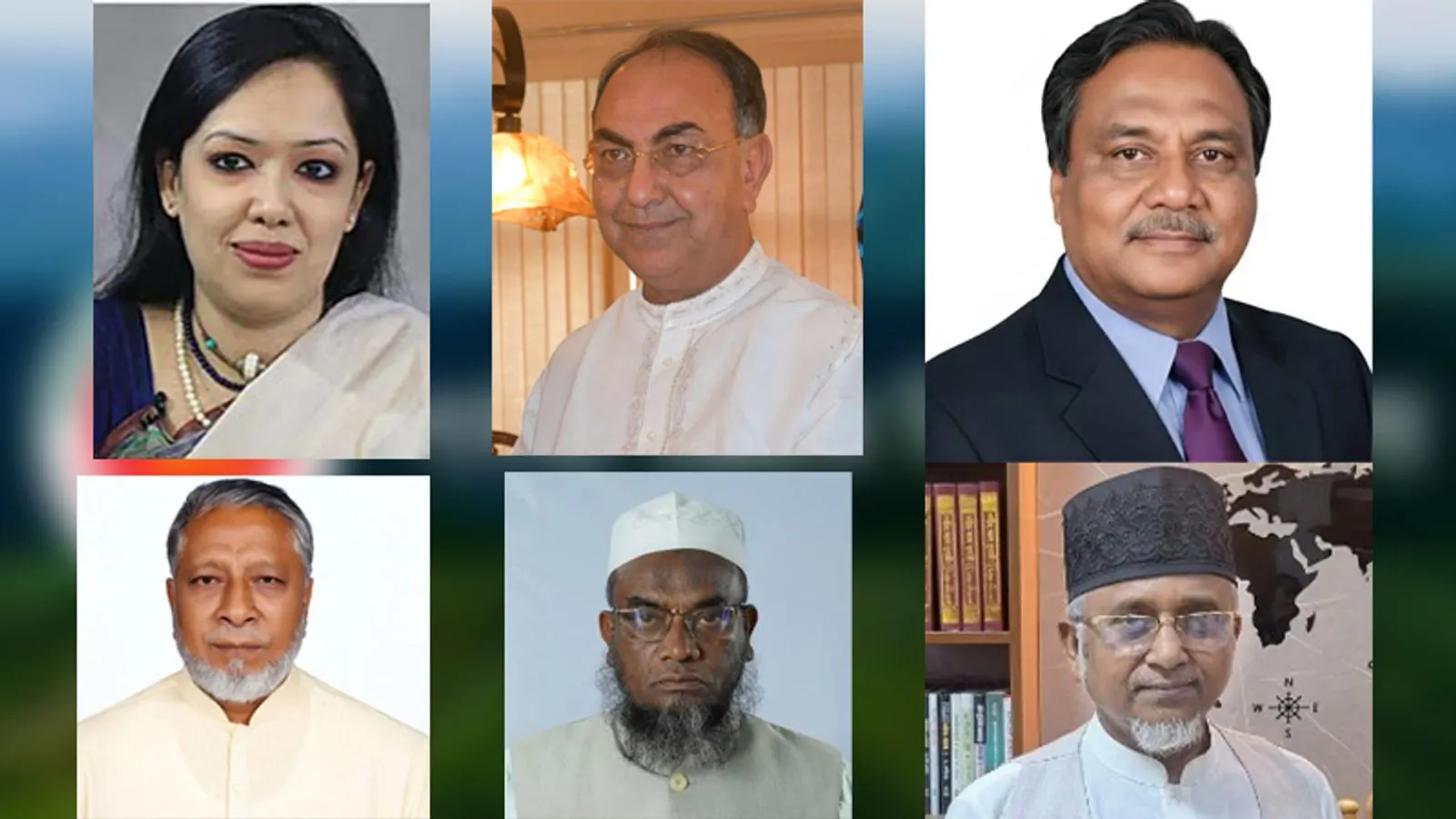
Despite the high participation, several members of parliament did not cast their ballots during the proceedings. Records indicate that a total of six members of parliament chose to abstain from the voting process entirely. Among those who did not participate were Mirza Abbas and Mostafa Kamal Pasha, both of whom were unable to attend due to being abroad for medical treatment and illness.
Additionally, Abul Hasan was absent from the proceedings because he was staying abroad at the time of the election. The group of non-voters also included Rumin Farhana, who openly voiced sharp criticisms regarding the nature of the presidential election and the lack of uncertainty in the outcome.
Expressing strong reservations about the entire electoral event, Rumin Farhana stated that the presidential election felt entirely meaningless to her. Elaborating on her stance, she remarked that when there is no inherent uncertainty in a vote, it cannot truly be considered an election. She questioned how the process could be called a vote when the final outcome was already known to everyone, concluding that the event amounted merely to a nomination rather than a genuine election.
Farhana further questioned why the nation could not unite to nominate a non-political and widely acceptable individual for the presidency, especially following a major mass uprising tied deeply to the nation's collective sacrifices and dreams. She also criticized the political dynamics surrounding the vote, pointing out that prior to the election, the BNP invoked the fear of Article 70 of the constitution, despite having advocated strongly for changes since their 2030 Vision announced in 2016, and warned that voting outside the party line would result in the cancellation of membership, which she characterized as a farce.