
Bangladesh Gas Crisis Cripples Industrial Production and Supply
A severe nationwide gas crisis has severely disrupted industrial production, power generation, and residential supply across Bangladesh. The shortage stems from critical liquefied natural gas supply shortages and terminal issues.
A severe nationwide gas crisis has significantly disrupted industrial production, power generation, and residential supply across Bangladesh due to acute liquefied natural gas (LNG) shortages and critical terminal issues. The nationwide crisis, which intensified yesterday on Thursday, has heavily impacted major industrial hubs including Chattogram, Gazipur, Savar-Ashulia, and Valuka. Prime Minister Tareque Rahman has actively intervened in the situation, summoning Energy Secretary Md. Ziaul Hook to address the escalating crisis affecting the country's economic and domestic infrastructure.
Official statistics detail the staggering extent of the nationwide supply deficit, showing that total daily gas supply in the country stood at approximately 220 crore cubic feet against a massive daily demand of nearly 380 crore cubic feet, leaving a deficit of about 160 crore cubic feet. Out of this limited supply, LNG contributed nearly 57 crore cubic feet. Meanwhile, power generation received approximately 95 crore cubic feet of gas, fertilizer factories were allocated 21 crore cubic feet, and compressed natural gas (CNG) stations received about 2 crore cubic feet.
The combined industrial and residential sectors received approximately 102 crore cubic feet of gas, marking a dramatic drop compared to the same period last month when supply to these two crucial sectors reached approximately 160 crore cubic feet. Infrastructure bottlenecks have exacerbated the shortfall; Titas Gas normally receives a daily supply line of about 150 crore cubic feet, but following the onset of the LNG crisis, this volume plummeted to between 100 and 120 crore cubic feet. Terminal operational status has further worsened the situation, as Summit's terminal remains operational while Excelerate Energy's terminal has been completely closed due to a lack of LNG cargo combined with previous fire damage.
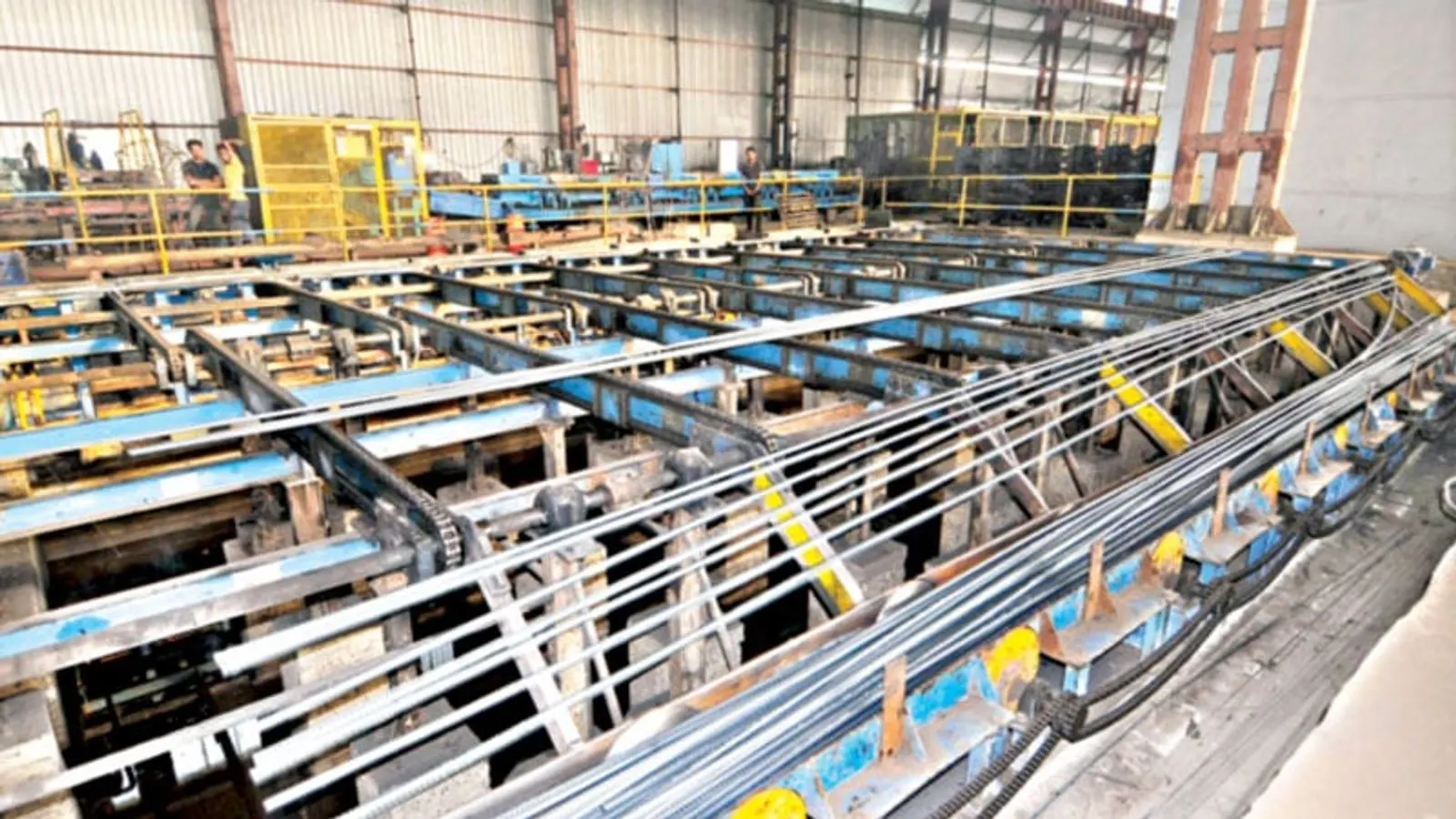
Industrial regions across Bangladesh are suffering immediate economic consequences from near-zero gas pressure and terminal failures, with steel mills in Chattogram experiencing an average production drop of 25 percent. In Gazipur district and metropolitan area, which hosts about three thousand and five hundred industrial factories including approximately 450 gas-dependent facilities, 20 to 22 percent of factories have been forced to suspend production entirely. Larger factories attempting to maintain operations through alternative arrangements are still witnessing a production decline of approximately 40 percent.
The disruption has extended deeply into other manufacturing zones such as Savar-Ashulia and Valuka. In Mymensingh's Valuka and surrounding areas, 20 industrial factories were forced to declare leave for workers. Out of 293 industrial factories located in Valuka, 99 rely directly on gas supplies, making them acutely vulnerable to the cascading terminal outages and fuel shortages that continue to paralyze industrial output and residential distribution nationwide.