
Bangladesh Faces Severe Energy Crisis Amid Global and Structural Pressures
Bangladesh is grappling with a profound energy and power crisis driven by global conflicts and domestic structural weaknesses. The disruptions have severely impacted vital industrial sectors and driven up the cost of living for ordinary citizens.
Bangladesh is currently navigating a severe energy and power crisis throughout the nation. According to reports from the year 2024, this ongoing situation is primarily driven by a combination of challenging global conflicts and significant domestic structural weaknesses.
On the international front, global energy supply issues have been severely exacerbated by ongoing conflicts unfolding in the Middle East and Ukraine. Furthermore, these geopolitical tensions and supply constraints have been compounded by post-COVID demand surges, creating a volatile worldwide energy market that heavily impacts importing nations.
Domestically, Bangladesh faces compounding vulnerabilities as the country's domestic natural gas production has been declining steadily over the past few years. This persistent drop in local output has drastically increased the nation's reliance on liquefied natural gas imports, which remain both costly and uncertain in the current global economic climate.
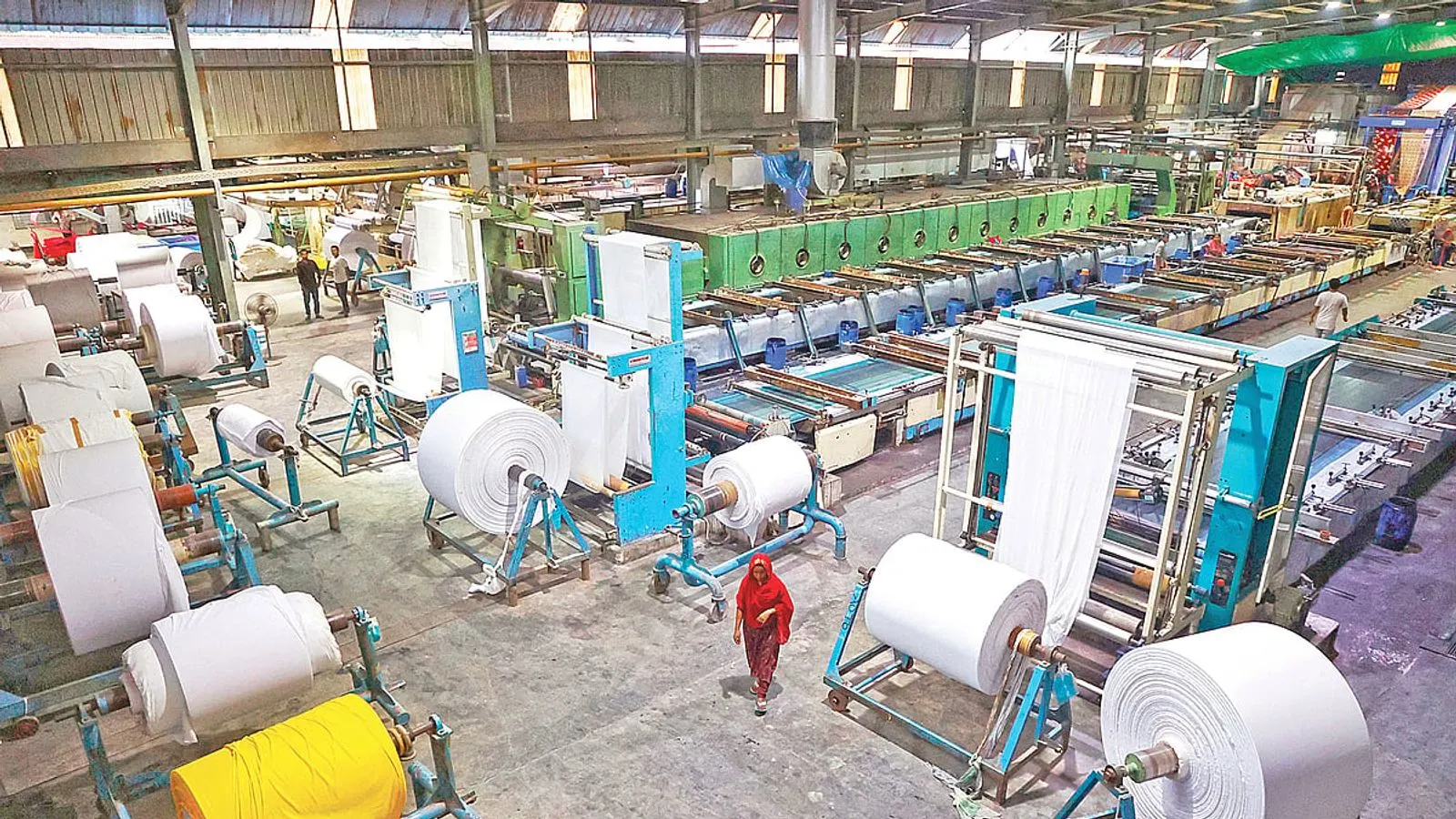
The resulting energy shortages have dealt a heavy blow to the domestic economy, negatively impacting vital industrial production across the country. Key manufacturing sectors—including textiles, spinning, ceramics, steel, and fertilizer production—have all experienced disruptions due to the unreliable supply of power and fuel.
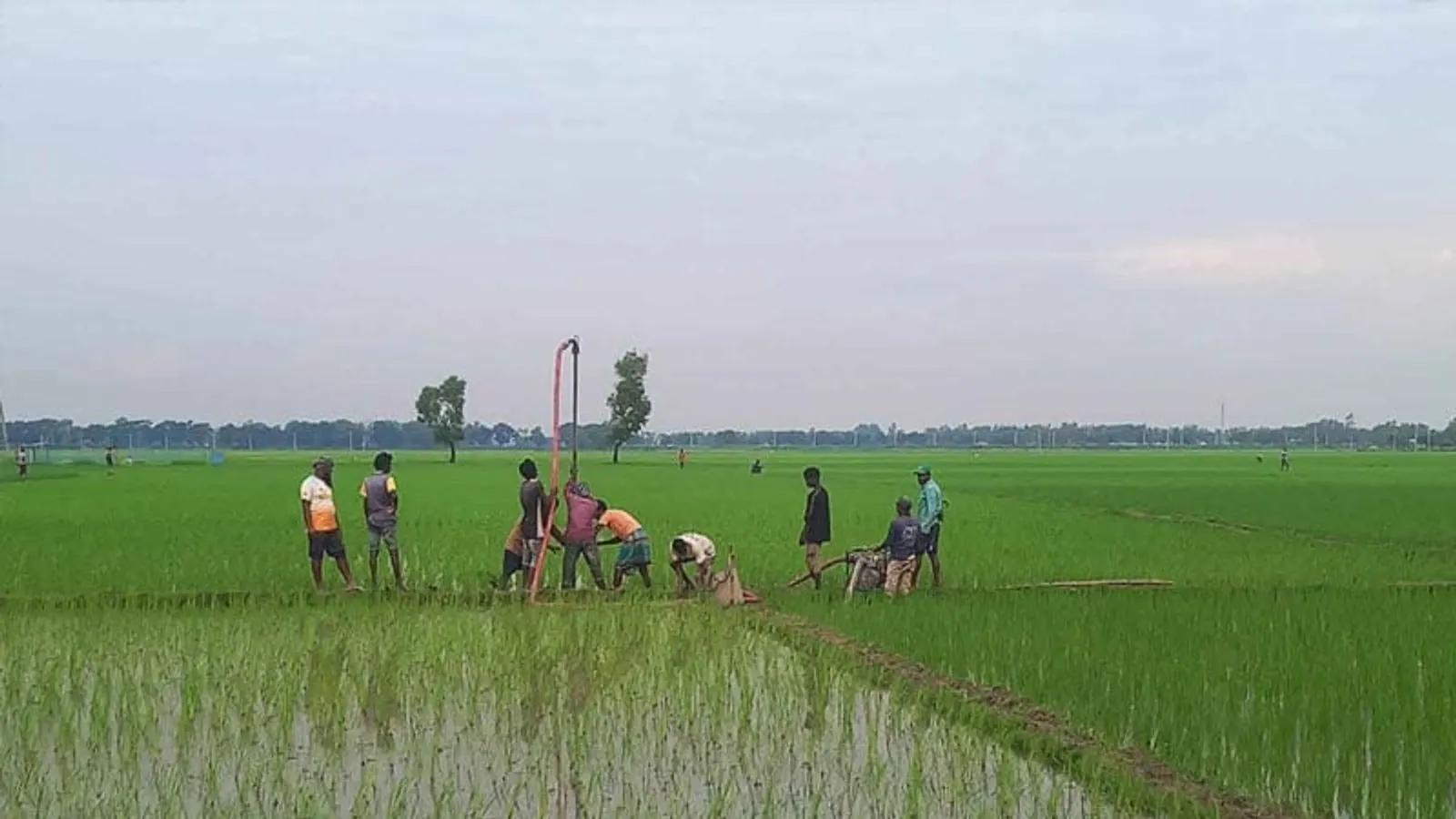
Beyond factory floors, the crisis has directly affected the daily lives of ordinary citizens throughout Bangladesh. Energy price hikes have contributed significantly to broader inflation, driving up the daily cost of transportation, agricultural irrigation, and food delivery for households nationwide.