

Bangladesh Faces Severe Climate Crisis From Rising Salinity And Heat
Climate change is triggering severe agricultural crises, displacement, and extreme heatwaves across Bangladesh. Meanwhile, melting ice in Antarctica is exposing bare ground as global temperatures rise.
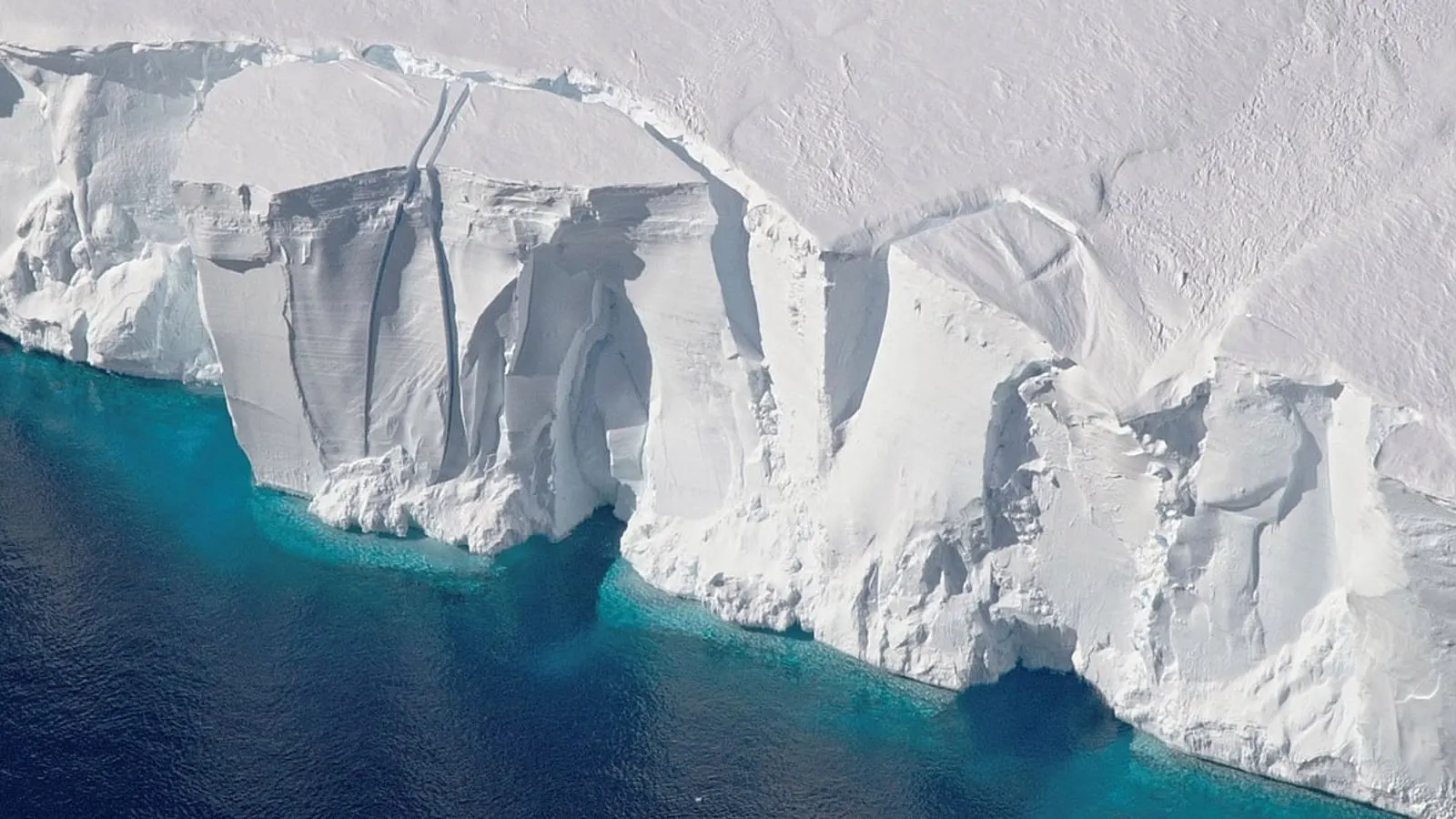
Climate change is exerting a profound and visible toll across diverse geographies, stretching from the frozen expanses of Antarctica all the way to the vulnerable coastal regions of Bangladesh. Scientific observations from polar regions indicate that melting ice sheets in Antarctica are increasingly exposing bare ground, serving as a stark indicator of broader global climate shifts that continue to drive environmental instability worldwide.
Closer to the equator, the impacts are deeply felt within the coastal districts of Bangladesh, specifically affecting areas such as Koyra, Khulna, Satkhira, and Bagerhat. In these vulnerable zones, the progressive intrusion of salinity has severely degraded arable land, undermining traditional agricultural practices and threatening the fundamental livelihoods of local populations who depend on the soil for their survival.
The compounding pressures of environmental degradation and agricultural failure are accelerating internal displacement throughout the country. As traditional forms of sustenance become increasingly untenable in the coastal regions, affected individuals and families are routinely forced to abandon their ancestral homes, transforming into climate refugees who ultimately seek shelter and economic survival by relocating to urban centers.
At the same time, urban areas are grappling with the immediate public health consequences of escalating temperatures. The intensifying and severe heatwaves have created dangerous working conditions for vulnerable urban laborers, most notably rickshaw pullers who find themselves unable to work outdoors during peak heat periods due to the physical risks involved.
This surge in extreme weather has also placed a heavy burden on the local healthcare infrastructure. Hospitals across the affected regions are reporting a noticeable increase in the number of patients being admitted for heatstroke and other heat-related illnesses, highlighting the multifaceted humanitarian challenges posed by ongoing climate disruptions.