

Bangladesh Faces Nationwide Load Shedding Amid Coal Power Drop
A reduction in power generation from several coal-fired plants has led to increased nationwide load shedding. The national power deficit exceeded 1,900 megawatts on Saturday afternoon.
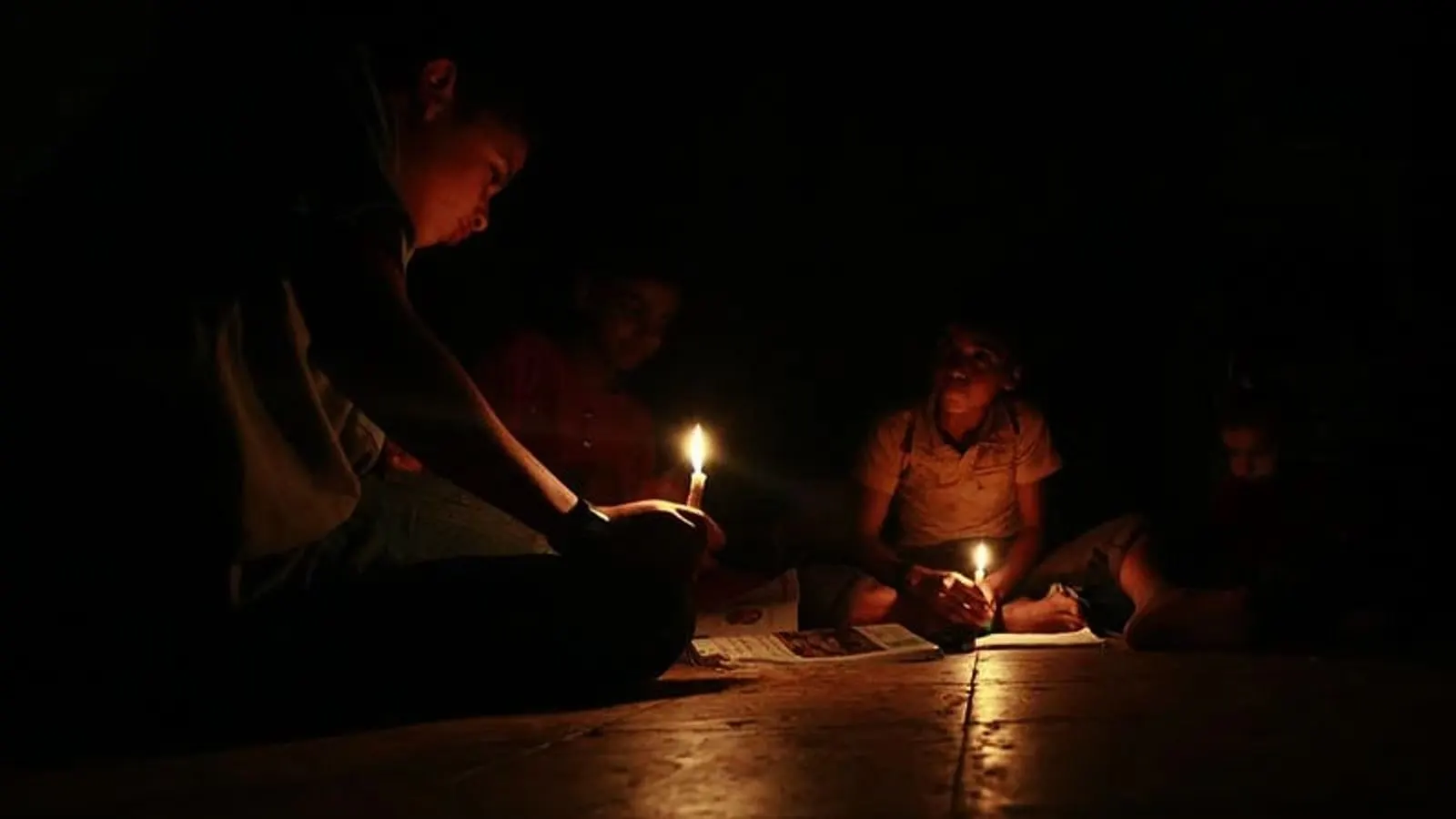
Capital city Dhaka and the rest of Bangladesh experienced increased load shedding on Saturday, a holiday, due to a noticeable reduction in power generation from several coal-fired power plants across the country. According to official data from the Power Grid Company of Bangladesh (PGCB), the power deficit at the national level surpassed 1,900 megawatts during the afternoon hours, disrupting regular electricity supplies for consumers.
Detailed statistics provided by the grid operators illustrate the severity of the shortage throughout the day. At 5:00 PM, the overall demand for electricity across the country stood at 16,157 megawatts, while the actual total supply was restricted to 14,273 megawatts, leaving a stark deficit of 1,884 megawatts. Earlier in the afternoon at 4:00 PM, the recorded demand reached 16,024 megawatts against a supply of 14,089 megawatts, resulting in a deficit of 1,935 megawatts. Similarly, at 3:00 PM, the demand was logged at 15,934 megawatts with a supply of 14,043 megawatts, creating a shortfall of 1,891 megawatts. These afternoon figures followed earlier daytime shortages, where the deficit was recorded at 786 megawatts at 1:00 PM and 667 megawatts at 2:00 PM.
The power crisis was equally pronounced during the overnight hours. At 2:00 AM, the national demand was 16,015 megawatts against a supply of 13,916 megawatts, marking a deficit of 2,099 megawatts. By 3:00 AM, the demand shifted slightly to 15,898 megawatts with a supply of 13,863 megawatts, pushing the deficit further up to 2,035 megawatts.
Specific generation facilities experienced notable drops in output, compounding the overall supply shortage. At midnight, production from Adani stood at 1,304 megawatts, but within a single hour by 1:00 AM, generation plummeted by 349 megawatts to rest at 955 megawatts. Subsequently, Adani's supply generally hovered between 800 and 900 megawatts. Additional shortfalls were reported from other major hubs, with the Payra plant delivering approximately 300 megawatts less power, while the combined output from Norinco and Matarbari yielded roughly 600 megawatts less electricity.
At the distribution level, urban centers felt the direct impact of the generation deficits. The Dhaka Power Distribution Company (DPDC) recorded a maximum demand of 2,333 megawatts alongside a deficit of 250 megawatts. Meanwhile, within the operational area of the Dhaka Electric Supply Company (DESCO), the demand reached nearly 1,500 megawatts, which was accompanied by a significant deficit of 400 megawatts.
Addressing the ongoing situation, Engineer Rezaul Karim provided operational context regarding the generation constraints. He stated that while gas supplies were relatively adequate, electricity generation from coal had decreased, and lower amounts of power were being received from Adani. He further noted that during the daytime, power supplies from the Norinco, Payra, and Matarbari plants in Patuakhali declined, though supplies from Norinco and Matarbari increased by evening. Regarding the shortfall from the external supplier, Karim mentioned that authorities had spoken with Adani representatives, who indicated they were actively trying to increase production.