
Ain o Salish Kendra Hosts Dialogue on Vulnerable Groups in Dhaka
Ain o Salish Kendra organized a stakeholder dialogue at the CIRDAP Auditorium in Dhaka on September 17, 2026. Participants discussed critical gaps in institutional coordination and the protection of women, children, and marginalized communities.
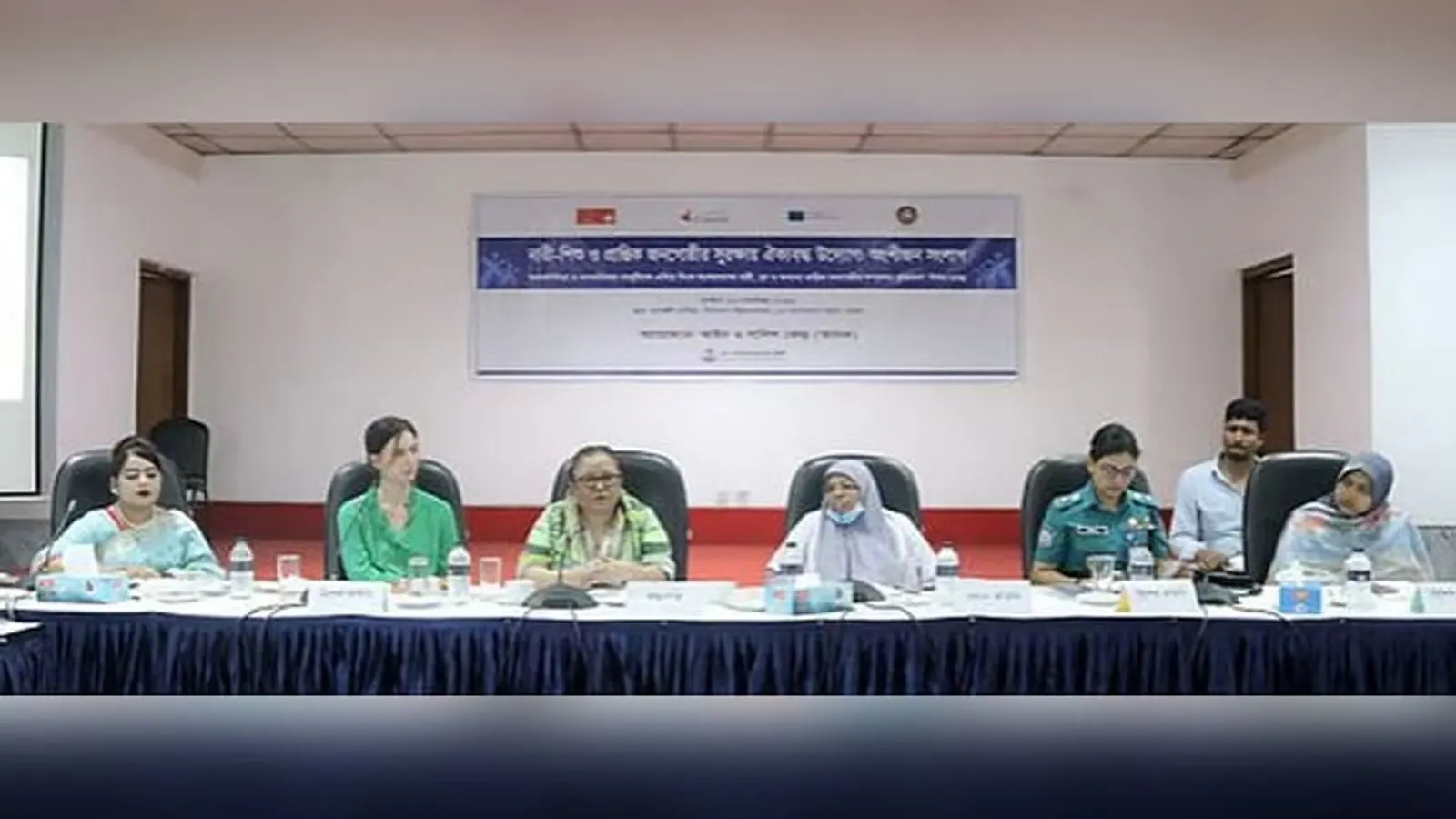
On September 17, 2026, the CIRDAP Auditorium in Dhaka served as the venue for an important stakeholder dialogue titled 'Unified Initiative for the Protection of Women, Children, and Marginalized Populations'. The event was organized by the prominent human rights organization Ain o Salish Kendra (ASK) to address ongoing challenges in safeguarding vulnerable groups across the country. Several notable individuals and representatives from various key organizations gathered at the capital's venue to deliberate on systemic issues, institutional accountability, and the urgent need for a more collaborative approach to human rights protection.
During the proceedings, prominent figures including Tahmina Rahman, Kamrun Nahar, Rezmin Sultana, Liza Begum, and Ivy Akhter contributed to the discussions. Representatives and officials from several relevant bodies were also in attendance, encompassing organizations such as Naripokkho, the National Legal Aid Services Organization, the Women Support and Investigation Division, and the Department of Women Affairs. The diverse assembly of stakeholders used the platform to critically examine the current state of support services and legal protections available to women, children, and marginalized citizens in Bangladesh.
Addressing the gathering, Tahmina Rahman pointed out significant shortcomings within the existing system. She stated that despite having laws and institutional frameworks in place, victims are routinely deprived of justice due to a lack of accountability and coordination. She further highlighted that the number of shelters in the country is entirely negligible, emphasizing that urgent shelter support is required not only for women and children but also for survivors with disabilities and transgender citizens who face violence and abuse.
Echoing these concerns, Kamrun Nahar shed light on the stark disconnect between policy design and ground reality. She noted that while different government ministries are supposed to coordinate when assisting victims, the scenario at the field level is completely different. According to her observations, women seeking services at hospitals or police stations continue to encounter poor behavior and harassment, pointing to persistent cultural and institutional hurdles in accessing basic care and justice.
Adding further perspective to the dialogue, Rezmin Sultana emphasized that true protection for women, children, and marginalized people means ensuring their rights are not violated in the first place. She observed that if rights violations do occur, providing swift remedies is a task that no single state institution can accomplish alone, making coordinated initiatives among all relevant parties indispensable. The comprehensive discussions underscored the pressing need for institutional reform and multi-agency cooperation to better serve the vulnerable populations of Bangladesh.