

Yeast Dietary Supplement Strengthens Cancer-Fighting Immune Cells in Mice
Researchers at Trinity College Dublin and University College Dublin have discovered that a yeast-based dietary supplement can strengthen immune cells to fight cancer in mice. Published in Cell Reports, the study demonstrates that oral delivery can induce trained immunity by reprogramming bone marrow stem cells.
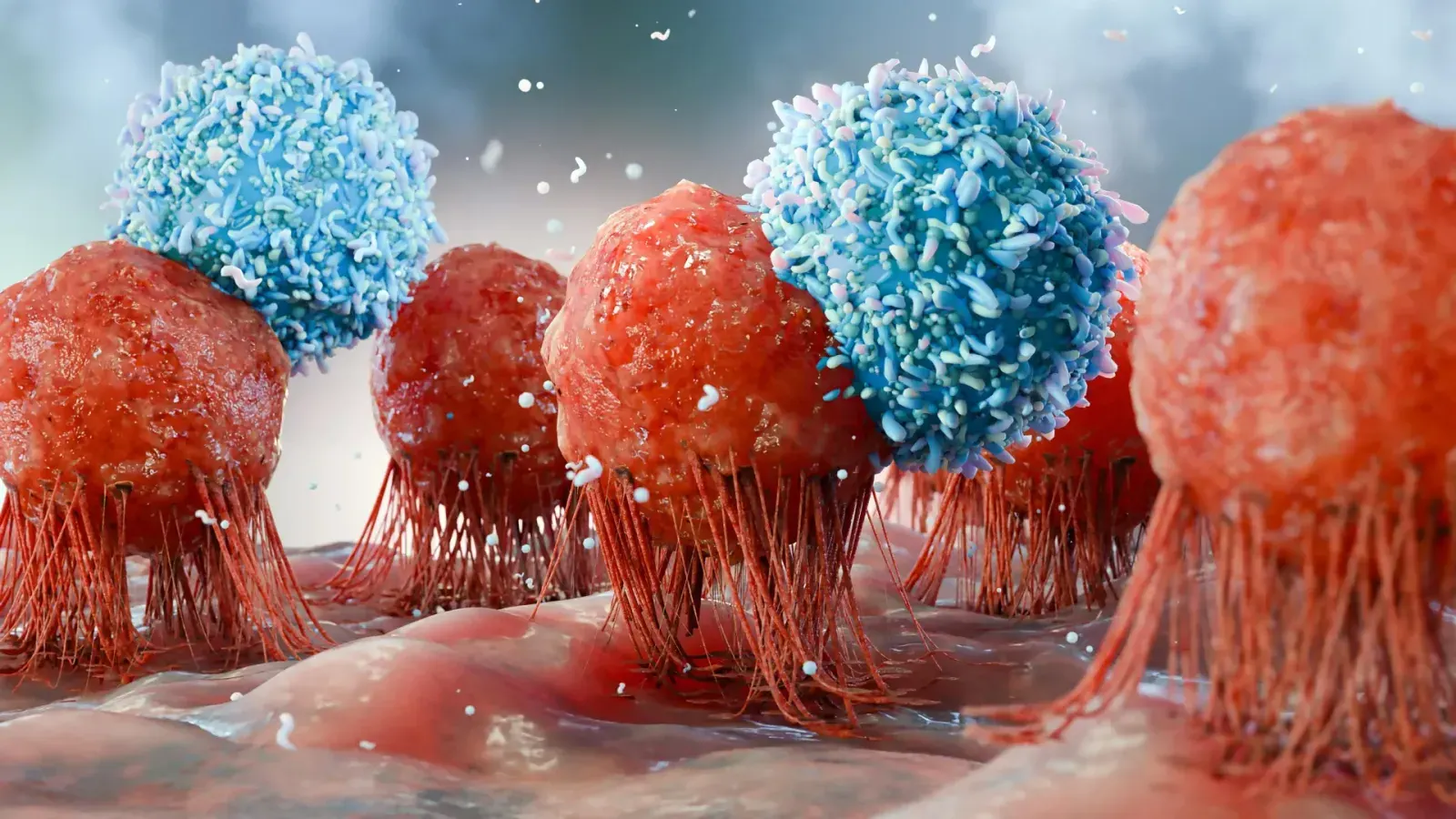
A collaborative team of researchers based at Trinity College Dublin and University College Dublin has uncovered new evidence showing that a yeast-based dietary supplement can successfully strengthen immune cells involved in fighting cancer in mice. The scientific findings detailing this immunological discovery were published in the peer-reviewed scientific journal Cell Reports, marking a significant step forward in understanding how dietary interventions can impact cellular immune responses.
The study was led by Professor Frederick Sheedy alongside Professor Helen Roche and Dr. Anna Ledwith, with institutional backing from Trinity College Dublin, University College Dublin, the UCD School of Public Health, Physiotherapy and Sports Science, and the UCD Conway Institute. Explaining the foundational motivation behind the scientific investigation, Dr. Anna Ledwith stated, "We wanted to investigate whether a common dietary supplement, yeast beta-glucan, could reprogram early-stage immune cells in the bone marrow to produce long-lasting, enhanced anti-tumor immune responses."
Highlighting the innovative nature of the delivery method, Professor Roche noted the distinct advantages observed during the laboratory work. "This is the first demonstration that dietary delivery of yeast beta-glucan is sufficient to induce trained immunity through reprogramming of bone marrow stem cells. Previous research required injections," Professor Roche stated. Furthermore, Professor Roche pointed out another critical finding regarding metabolic health conditions: "Crucially, this dietary intervention restores anti-tumor innate immunity in obese mice and reverses long-term immune memory defects that persist even after weight loss, a major unmet clinical challenge."
Looking toward future medical applications, the research team emphasized the practical advantages of the specific compound utilized in the study. Professor Sheedy explained that "this research paves the way for dietary intervention studies in people living with obesity, chronic infections and other immunocompromised populations. The yeast beta-glucan used, WellmuneTM, from Kerry Group, is already food-grade and commercially available, facilitating rapid clinical trials."
Expanding on the broader clinical potential of these findings, Professor Sheedy concluded by outlining the ultimate vision for patient care and therapeutic integration. "Ultimately, a simple dietary supplement could help boost the immune system's cancer-fighting ability, complementing existing treatments such as chemotherapy and immunotherapy, with the potential to improve vaccine responses and resistance to infection," Professor Sheedy stated.