
World Mosquito Day Marks History and Disease Awareness
World Mosquito Day is observed globally to raise awareness about mosquito-borne diseases and prevent their spread. The annual observance also honors British physician Sir Ronald Ross and his historic malaria discovery.
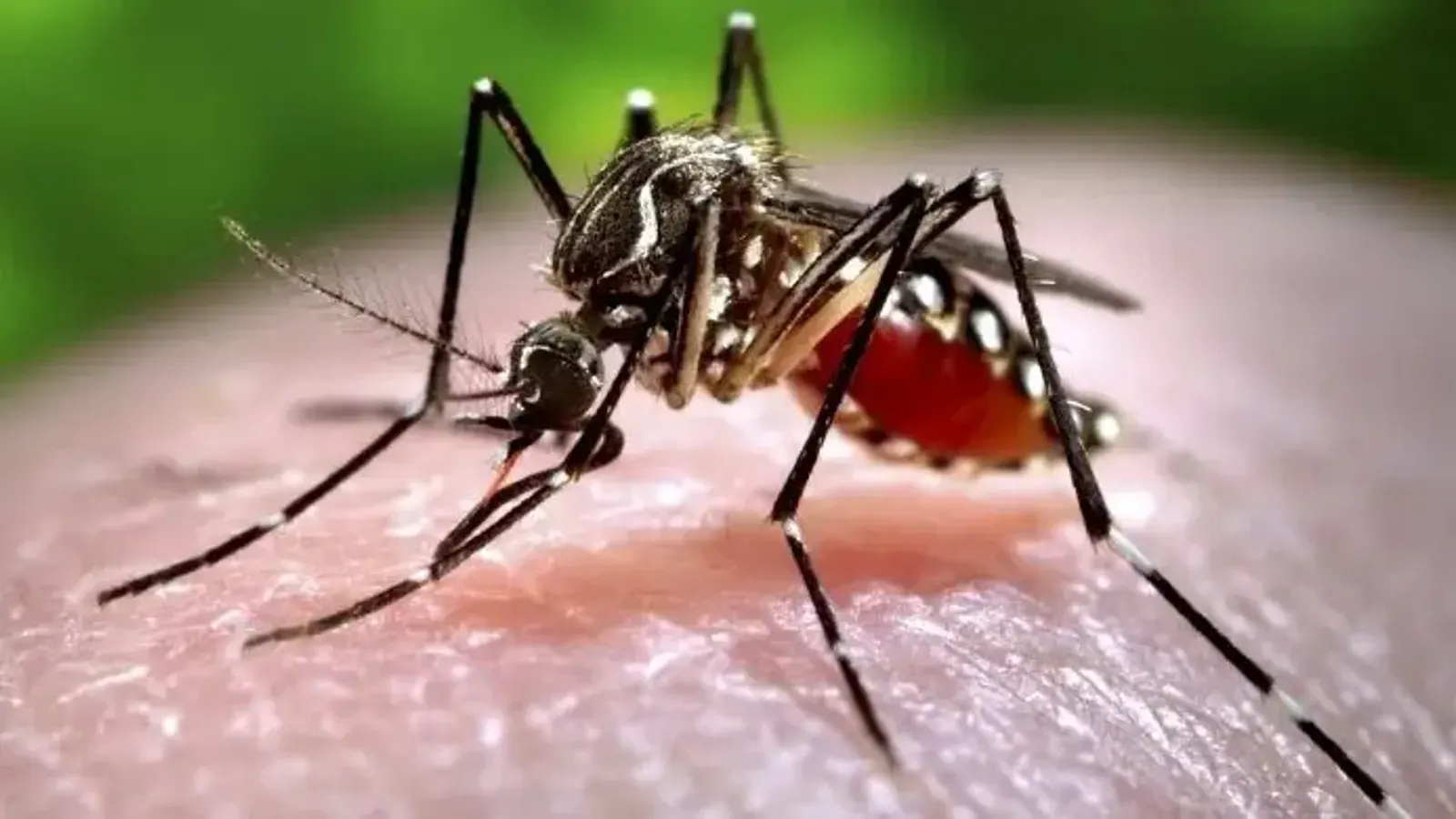
Today marks World Mosquito Day, an international observance dedicated to raising awareness about mosquito-borne diseases and the prevention of their widespread transmission. Across the globe, communities and health organizations use this day to highlight the ongoing public health challenges posed by these insects and to promote effective methods for stopping their proliferation in human habitats.
A central purpose of marking this date is to pay tribute to the historic scientific contributions of British physician Sir Ronald Ross. His pioneering work and groundbreaking malaria discovery fundamentally changed our understanding of how the disease is transmitted, paving the way for modern vector control and medical interventions that continue to save countless lives worldwide.
Beyond contemporary public health concerns, scientific research reveals a staggering prehistoric timeline for these pests. Evidence indicates that the ancestors of modern mosquitoes belong to the Culicidae family, with fossil records proving their existence dating back at least nearly 100 million years, placing their ancient origins deep within the prehistoric past of the planet.
Further details regarding these ancient insects highlight remarkable archaeological discoveries. Fossils of primitive mosquito species have been successfully recovered preserved inside amber from the Cretaceous period, specifically originating from the Kachin region in Myanmar, offering scientists a rare glimpse into the deep evolutionary history of the insect.
To put this vast timeline into perspective, the existence of mosquitoes predates several major milestones in Earth's history. Dinosaurs vanished from the Earth approximately 66 million years ago, a staggering timeline that shows mosquitoes were already thriving millions of years before the extinction event, while modern humans only made their appearance approximately 300,000 years ago.