
WhatsApp Security and Privacy Feature Guide for Users
A comprehensive guide details the core security and privacy tools available on WhatsApp. Users can utilize end-to-end encryption, disappearing messages, and biometric app locks.
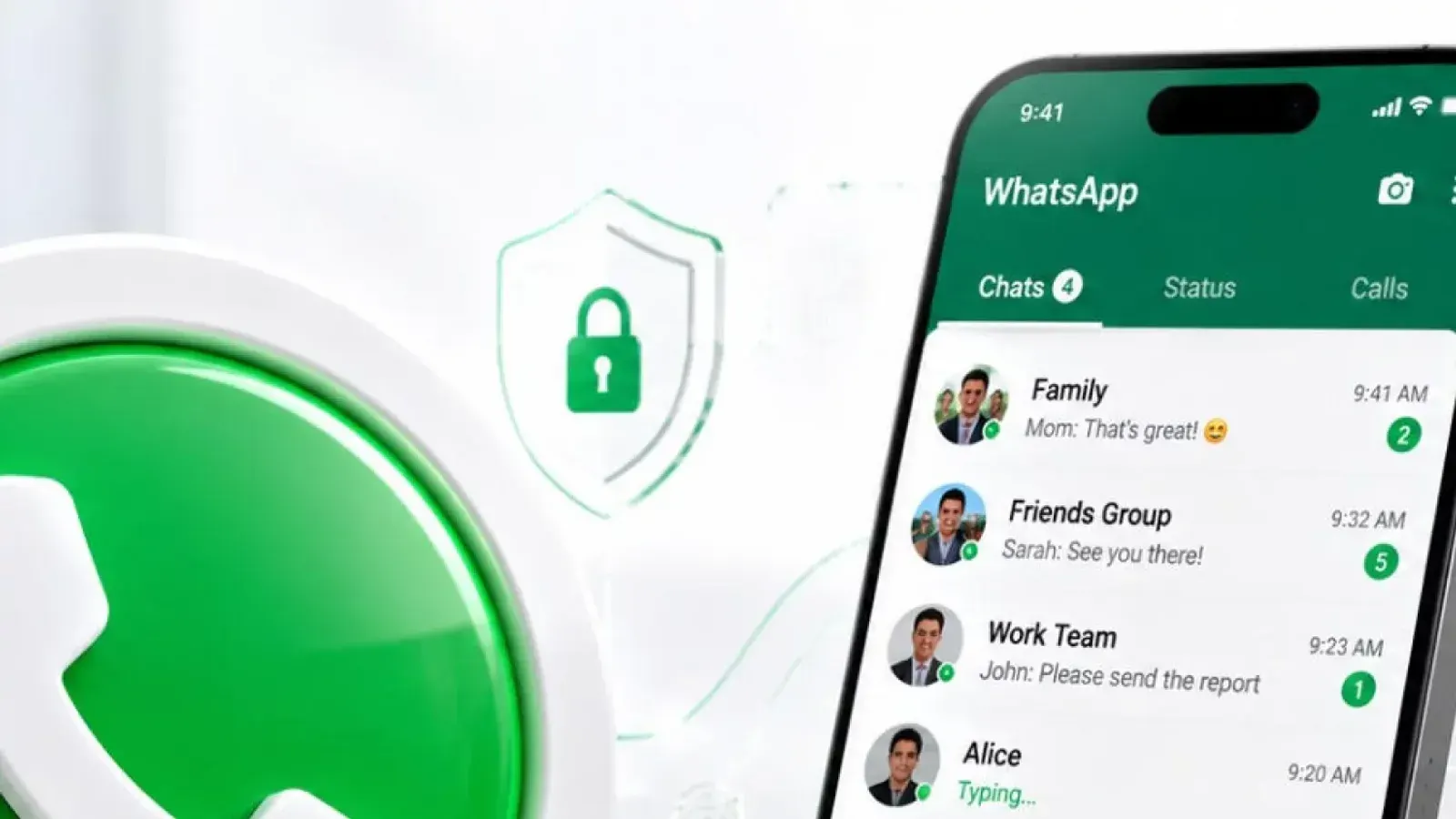
In the digital communication landscape, ensuring the security and privacy of personal messages remains a critical priority for millions of global users. The messaging platform WhatsApp incorporates several built-in features designed to safeguard user data, control personal visibility, and prevent unauthorized access to private accounts. Understanding how to properly configure these tools is essential for maintaining digital safety in everyday correspondence.
At the foundational level of security, WhatsApp utilizes default end-to-end encryption for all personal messages and voice or video calls. This cryptographic protocol ensures that only the communicating parties can read or listen to the contents of the transmission, preventing intermediaries, service providers, and potential malicious actors from intercepting the data as it travels across networks.
Beyond message transit, the platform offers granular control over personal visibility through the Privacy Checkup tool located within the application settings. This feature allows users to carefully manage and restrict who has permission to view their profile pictures, personal 'about' information, status updates, and 'last seen' timestamps, thereby enhancing personal boundaries.
To manage digital footprints over time, the disappearing messages feature provides an automated cleanup mechanism. Users can configure new messages to automatically delete themselves after a specific duration, with available timeframes set to 24 hours, 7 days, or 90 days, depending on individual preferences for conversation retention.
Account security can be further fortified by enabling two-step verification, which requires the creation of a secure six-digit PIN for account registration and management. Additionally, users can protect the application from physical snoopers by enabling app lock, which restricts access to the messaging platform using biometric authentication methods such as Face ID, Touch ID, or fingerprint recognition.