

Visitor numbers drop at Pabna's Dikshi Beel amid declining water lilies
Visitors experience disappointment at Pabna's Dikshi Beel as the number of water lilies decreases this monsoon season. Locals and visitors call for environmental protection to safeguard the area's tourism potential and natural beauty.
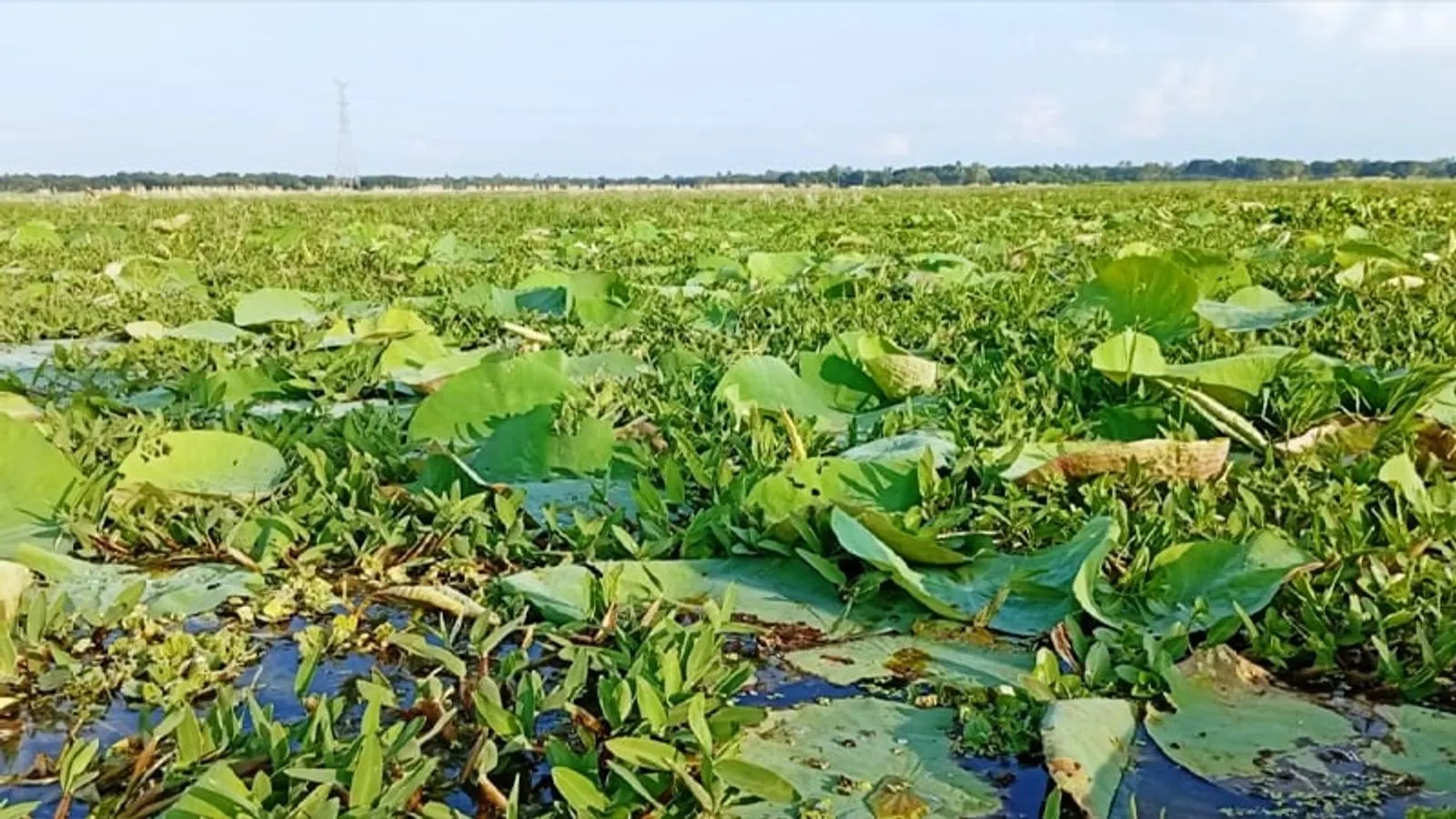
During the monsoon season, the picturesque Dikshi Beel located in Chatmohar upazila of Pabna, Bangladesh, typically comes alive with a vibrant natural display of blooming water lilies and other aquatic flowers. This seasonal botanical spectacle traditionally transforms the vast wetland into a major scenic attraction, drawing numerous tourists, nature enthusiasts, and casual sightseers from various surrounding areas to witness the breathtaking floral landscape.
However, the current season has brought noticeable disappointment for both travelers and local residents due to a significant reduction in the population of water lilies blooming across the wetland. According to local observations and accounts, this noticeable scarcity of the signature flowers has directly impacted overall visitor numbers, leading to a substantial decline in tourist footfall at the prominent rural destination compared to previous years.
The dwindling number of blooming flowers has also created tangible economic repercussions for the local community, particularly affecting individuals who rely on tourism-related activities for their livelihood. Local resident Shahadাত noted the direct economic impact of the situation, stating that many people used to visit the beel during the monsoon in past years to enjoy the floral views, but the current lack of sufficient water lilies has reduced visitor numbers and negatively affected boat rental revenues.
Local inhabitants attribute the ongoing decline of water lilies in the wetland to several mounting environmental and ecological pressures. According to local perspectives, the primary factors contributing to this ecological degradation include the use of harmful fishing nets and mechanized equipment for catching fish, escalating water pollution, the runoff of agricultural fertilizers and pesticides into the water system, and increasingly irregular rainfall patterns that disrupt the natural habitat.
Despite the disappointment regarding the sparse floral display, some travelers still find appreciation in the broader natural surroundings of the wetland environment. Humayun Kabir, a visitor who traveled to the location, shared his perspective by mentioning that he came after seeing photographs of the flower-filled beel on social media, and although he found fewer flowers, the expansive green nature of the beel still deeply captivated him, adding that protecting the environment of the beel could boost tourism and increase local incomes.
In response to concerns regarding illegal and destructive fishing methods impacting the aquatic ecosystem, local authorities have initiated enforcement measures. Chatmohar Upazila Nirbahi Officer (UNO) Musa Naser Chowdhury has confirmed that regular administrative operations and drives are actively being conducted against the use of banned China nets in the area.