Venus Peak Brilliance and Harvest Moon Lead September Astronomy
September 2024 brings a series of notable astronomical events to observers worldwide, featuring planetary conjunctions and seasonal shifts. Stargazers can look forward to peak planetary brilliance, a lunar alignment with Saturn and Neptune, and the equinox.
Skywatchers around the globe are preparing for an eventful month of celestial phenomena throughout September 2024. Agencies including NASA and the Jet Propulsion Laboratory track these recurring cosmic alignments, which offer regular opportunities for professional astronomers and amateur enthusiasts alike to observe the night sky. This month features a distinctive combination of planetary illumination, a prominent lunar display, and an official transition in the Earth's seasonal cycle.
The planetary highlights begin mid-month when Venus reaches its peak brilliance during its evening appearance on September 18. As the second planet from the sun, Venus frequently dominates the evening sky due to its reflective cloud cover, but this specific date marks its maximum visual magnitude for the current apparition. Observers looking toward the western horizon shortly after sunset will find the planet shining with exceptional intensity before it eventually sets below the horizon.
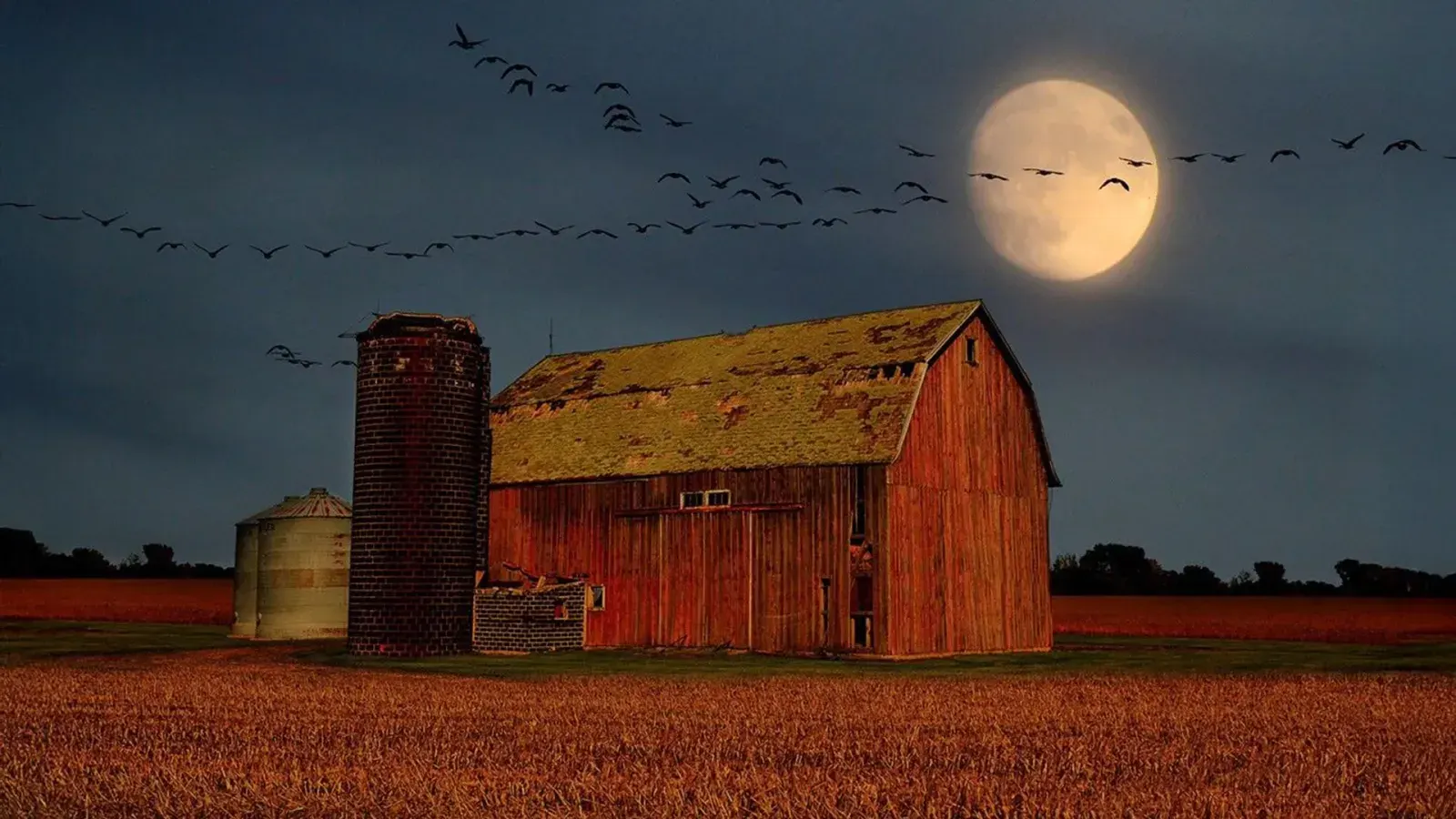
Later in the month, the lunar cycle provides another notable viewing opportunity as the Harvest Moon rises on September 26. According to astronomical data, this full moon will appear remarkably close to the distant gas giants Saturn and Neptune. Observers using binoculars or telescopes may be able to spot the ringed planet Saturn and the blue ice giant Neptune in the relative vicinity of the bright lunar orb during the overnight hours.
The month also marks a significant orbital milestone for the Earth itself with the arrival of the September equinox on September 22. This global event signifies the precise moment when the sun crosses the celestial equator, resulting in nearly equal amounts of daylight and darkness across the planet. For populations living north of the equator, this date marks the official beginning of fall, bringing cooler temperatures and longer nights. Conversely, for those residing south of the equator, the September equinox heralds the arrival of spring and the gradual lengthening of daylight hours.