

US, South Korea Clash Over Military Exercise Cuts Amid Cost Concerns
US President Donald Trump has announced a reduction in joint military exercises with South Korea. The decision stems from financial concerns and South Korea's refusal to join US efforts against Iran.
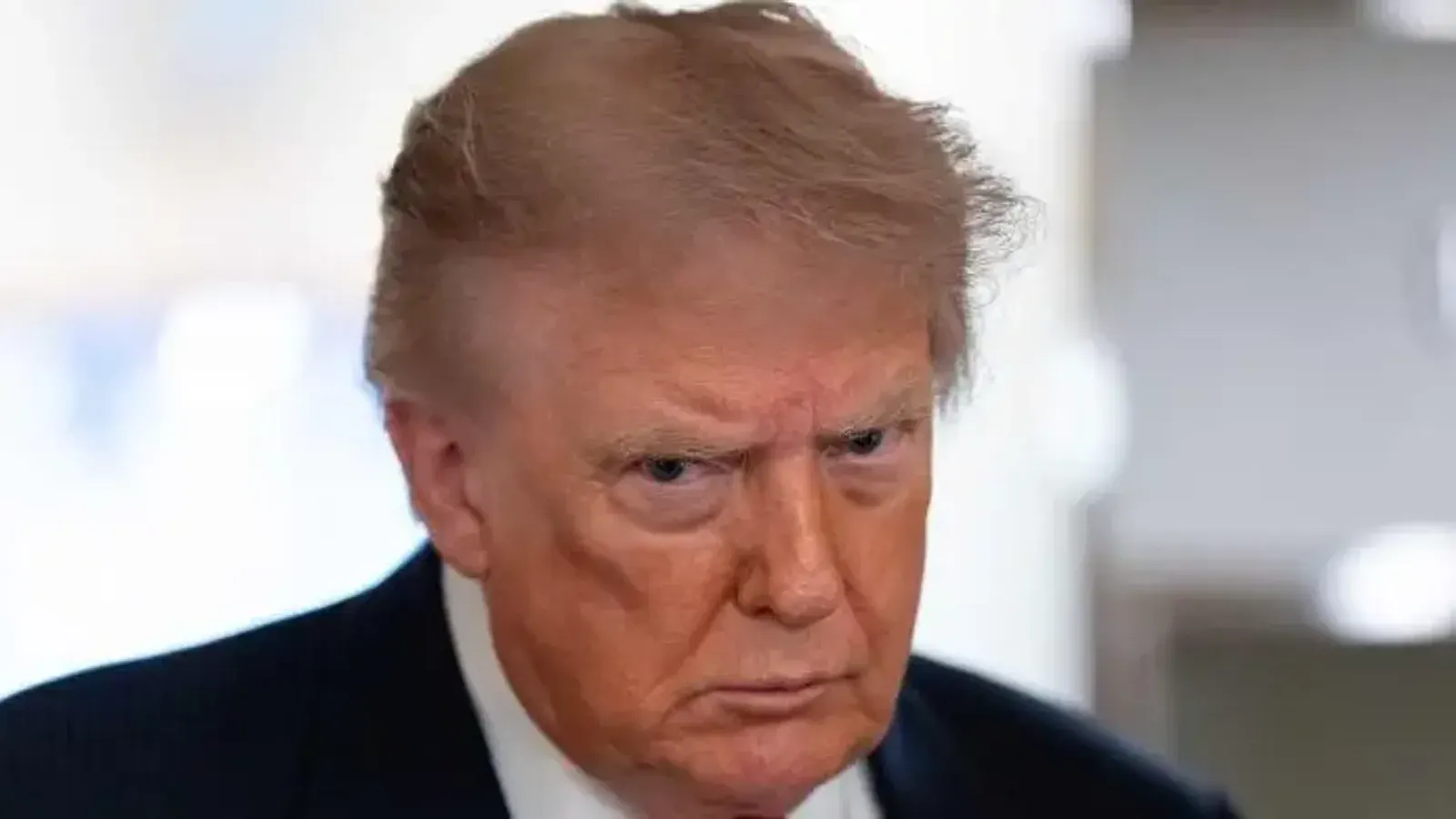
United States President Donald Trump has officially announced a reduction in joint military exercises with South Korea. According to the announcement made on 17 August 2026, this decision is directly attributed to the financial costs involved in maintaining these large-scale operations. Furthermore, the reduction comes as a consequence of South Korea's explicit refusal to join United States-led efforts against Iran.
The announcement specifically impacts the scheduled joint military exercises between the two nations, notably including the 'উলচি ফ্রিডম শিল্ড' drills. These exercises have long been a cornerstone of the security alliance between Washington and Seoul, designed to maintain readiness against potential regional threats involving actors such as North Korea.
Despite the official announcement from the United States administration, the government in South Korea has swiftly responded to the development. South Korean authorities stated that their joint military exercises with the United States will proceed strictly according to the previously established schedule. When confronted with the US demands regarding Iran, South Korea simply responded with, "No, thank you."
The security landscape on the Korean peninsula involves significant military presences from both nations. Currently, there are approximately 28,500 United States troops stationed within South Korea to help maintain regional stability. Additionally, the operational framework of these defenses typically involves about 18,000 South Korean soldiers working alongside their American counterparts during the joint drills.
As these diplomatic and military tensions unfold, the situation continues to draw attention from various international stakeholders across the region and globally. While the United States pursues its broader geopolitical objectives concerning Iran, the alliance between Washington and Seoul faces new administrative strains regarding defense costs and shared strategic priorities in East Asia.