

US-Iran Conflict Intensifies Amid Claims Over ICBM Development
Tensions between the United States and Iran escalate amid ongoing conflict and intense debates regarding Tehran's alleged development of intercontinental ballistic missiles. Leaders from the US and Israel have raised serious concerns over long-range missile programs.
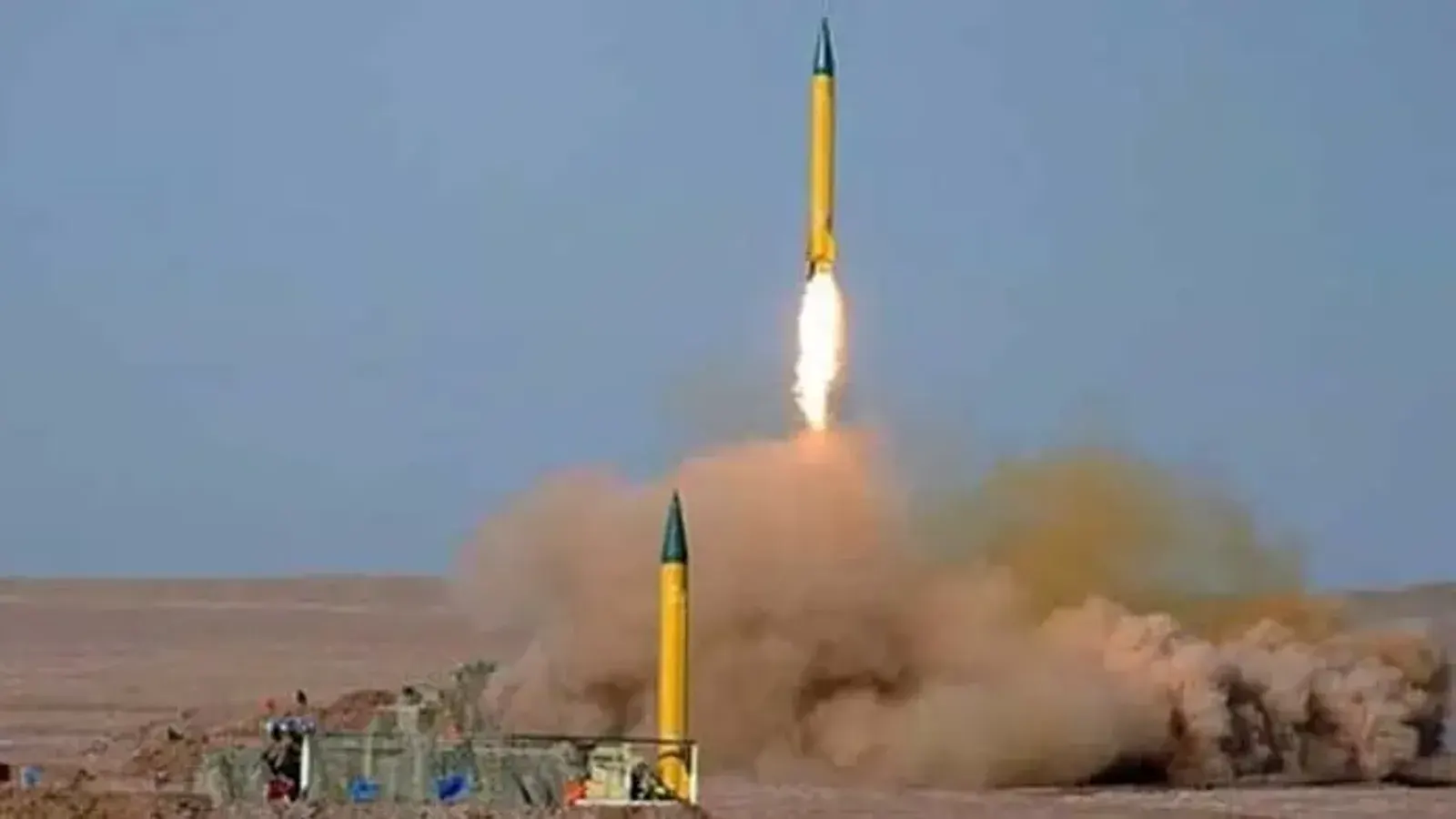
The geopolitical landscape of the Middle East and international diplomacy has been severely strained following the outbreak of conflict between the United States and Iran this year, during which both the United States and Israel launched attacks inside Iran. As the situation unfolds across Washington, Tehran, and the wider region, global attention has increasingly focused on the disputed nuclear and missile capabilities of the Iranian government, alongside critical maritime trade routes that remain vital to the global economy.
Amid these escalating hostilities, vital economic corridors have emerged as major focal points of strategic anxiety. According to official assessments, 32 percent of the world's total oil trade is conducted through the critical maritime chokepoints of the Strait of Hormuz and the Bab el-Mandeb strait, leaving global energy markets acutely vulnerable to any disruptions stemming from the ongoing military confrontations involving the United States, Israel, and Iran.
The debate surrounding Iran's advanced military capabilities took center stage when US President Donald Trump delivered his State of the Union address on February 24, 2026. During the address, President Trump asserted that Iran has already developed missiles capable of threatening Europe and American bases abroad, while warning that Tehran is actively working on developing weapons that will soon be capable of reaching the United States.
Further fueling the international discourse, Israeli Prime Minister Benjamin Netanyahu discussed the perceived threats during an interview with Ben Shapiro in October 2025. Prime Minister Netanyahu claimed that Iran could blackmail any American city, stating that Tehran is developing an intercontinental ballistic missile with a range of 8,000 kilometers, which, with an additional 3,000 kilometers added, could potentially reach the East Coast of the United States.
Technical definitions and specific intelligence figures have heavily influenced the ongoing international controversy regarding Tehran's arsenal. While military benchmarks dictate that a missile must cover a distance or range of 5,500 kilometers to be classified as an intercontinental ballistic missile, reports and data from organizations such as the Defense Intelligence Agency (DIA), NBC News, and Defense Express highlight various projections. These reports note that Iran's longest-range tested ballistic missile is the Khorramshahr, with a tested range of 4,000 kilometers, while its medium-range missiles span between 1,000 and 3,000 kilometers, alongside figures indicating that Iran possesses 440 kilograms of enriched nuclear material.
Despite the severe allegations leveled by Western and Israeli leadership, Tehran has consistently pushed back against the accusations. Officials from the Iran Ministry of Foreign Affairs, including Esmaeil Baghaei, alongside religious and political figures such as Ayatollah Ali Khamenei and Abdol-Nabi Mousavi Fard, have maintained their positions, with Iran steadfastly denying the existence of any intercontinental ballistic missile program.