

Unlocking the Mysteries of the Human Brain: Science and History
Exploring the scientific composition of the human brain as the center of consciousness alongside historical milestones. This comprehensive overview delves into key biological facts and ancient medical texts.
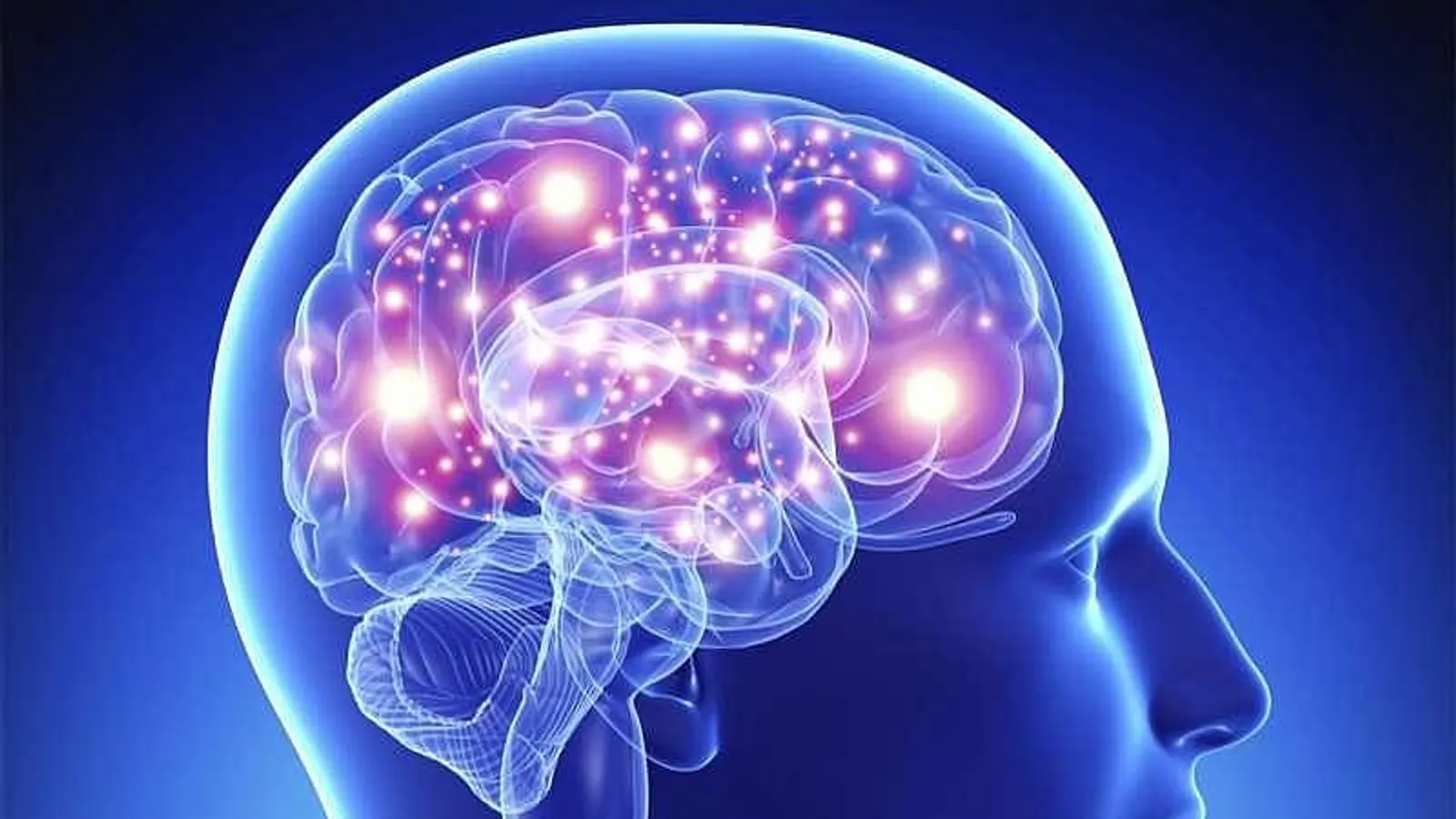
Modern science confirms that the human brain serves as the central hub of human consciousness. Acting as the ultimate control center for the body, this vital organ governs thoughts, emotions, and physical actions, remaining a focal point of neurological research and scientific inquiry.
Biologically, the human brain weighs approximately one and a half kilograms. Beyond its substantial mass, the organ is composed of approximately seventy-five percent water, highlighting the delicate fluid balance required for optimal neurological function and daily cognitive performance.
Within this intricate biological structure lies an astonishing network of cells. The human brain contains more than eighty-six billion neurons, working in constant synchronization to transmit electrical and chemical signals throughout the entire central nervous system.
Historical perspectives on human anatomy have evolved dramatically over the centuries. In ancient times, the philosopher Aristotle famously believed that the heart served as the true source of human existence and identity, while incorrectly viewing the brain merely as a bodily radiator or cooling system designed to manage body temperature.
A major milestone in medical history occurred with the Edwin Smith Surgical Papyrus, which dates back approximately to 1700 BCE. This ancient document contains a remarkable forty-eight detailed case studies and marks the very first recorded mention of the word 'brain' in human history, laying early foundations for the study of neuroscience and medicine.
The journey from ancient papyrus documentation to modern neuroscientific discoveries illustrates humanity's enduring fascination with the mind. As researchers continue to study its vast complexity, the human brain remains recognized universally as the remarkable seat of human consciousness and biological engineering.