
UN Committee Urges India to Protect Marginalized Groups as New Report Issued
The United Nations Committee on the Elimination of Racial Discrimination has urged India to strengthen protections for marginalized groups against extrajudicial killings and hate crimes. The Indian government has firmly rejected the findings, dismissing the report as politically motivated and deeply biased.
The United Nations Committee on the Elimination of Racial Discrimination (CERD) has formally called upon the government of India to significantly strengthen protection frameworks for marginalized and vulnerable communities across the country. According to the newly released findings, the international committee has urged Indian authorities to take immediate and decisive action to address a range of serious human rights concerns affecting indigenous populations, religious minorities, and socially disadvantaged groups.
Addressing the scope of the ongoing concerns, the United Nations Committee on the Elimination of Racial Discrimination expressed deep apprehension regarding widespread human rights violations allegedly committed by law enforcement officials. The international body highlighted that these reported violations disproportionately impact ethnic and ethno-religious minorities, indigenous and tribal communities—including Scheduled Tribes and Scheduled Castes, particularly Dalits—as well as non-citizens residing within the nation.
Detailing the specific nature of the violations documented in the assessment, the United Nations Committee on the Elimination of Racial Discrimination stated that the committee is deeply concerned by reports involving acts of identity-based violence, the excessive use of force, and extrajudicial killings. Furthermore, the committee's comprehensive statement drew attention to instances of arbitrary and prolonged detention without due process, acts of torture, general mistreatment, and various forms of severe sexual violence.
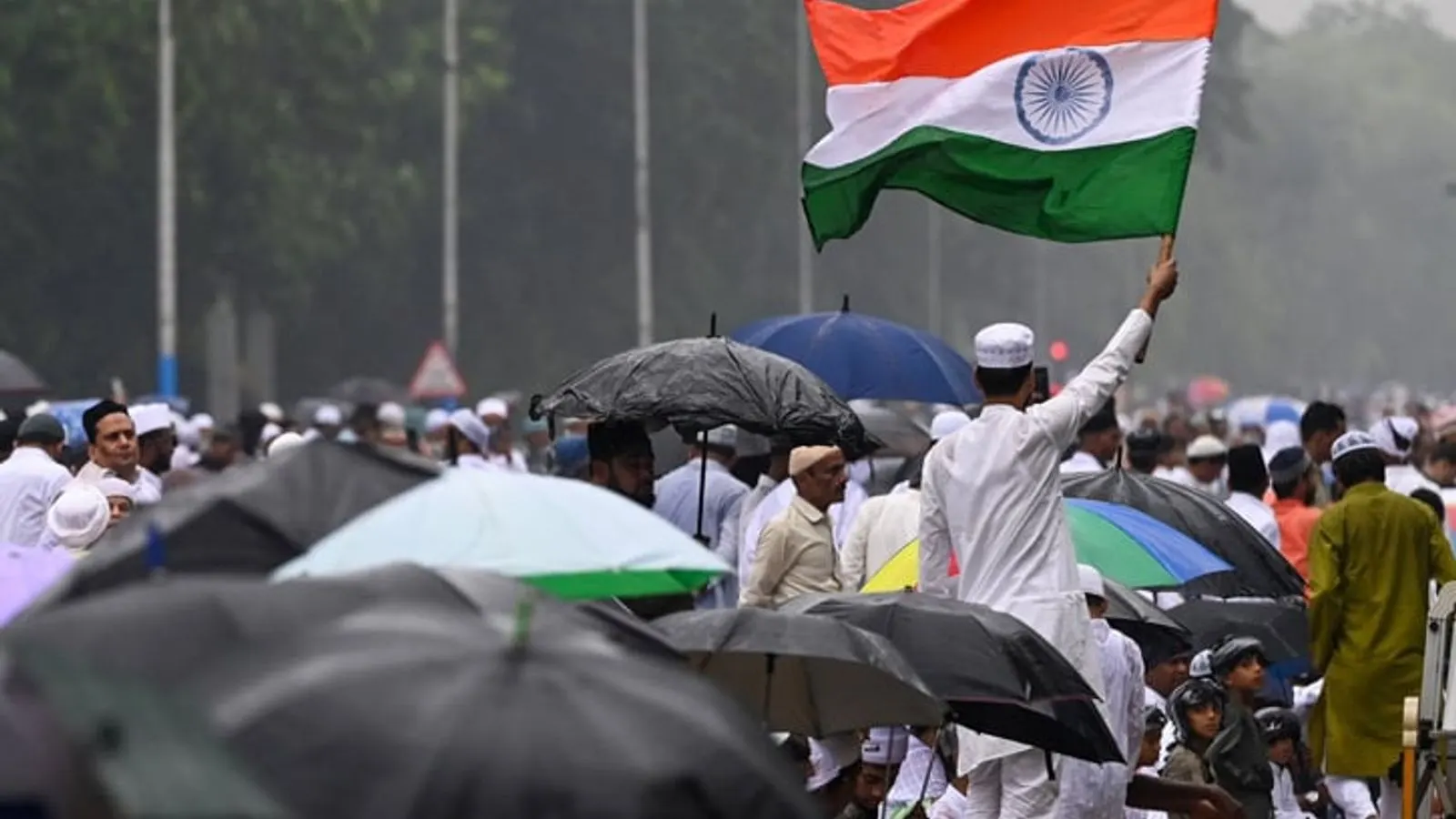
In addition to broader systemic protections, the international committee specifically emphasized the urgent necessity of combating targeted hate crimes directed against Bengali-speaking Muslims within the country. The panel underscored that such incidents require immediate intervention and robust legal responses from state authorities to ensure the safety and security of these specific vulnerable populations against ongoing communal tensions and discrimination.
In response to the international body's observations, the government of India has vehemently rejected the United Nations report, characterizing the document and its underlying assessments as entirely politically motivated and exceptionally malicious. Official reactions from New Delhi made it clear that the state categorically disputes the validity of the conclusions reached by the Geneva-based human rights monitoring committee during its recent evaluation processes.
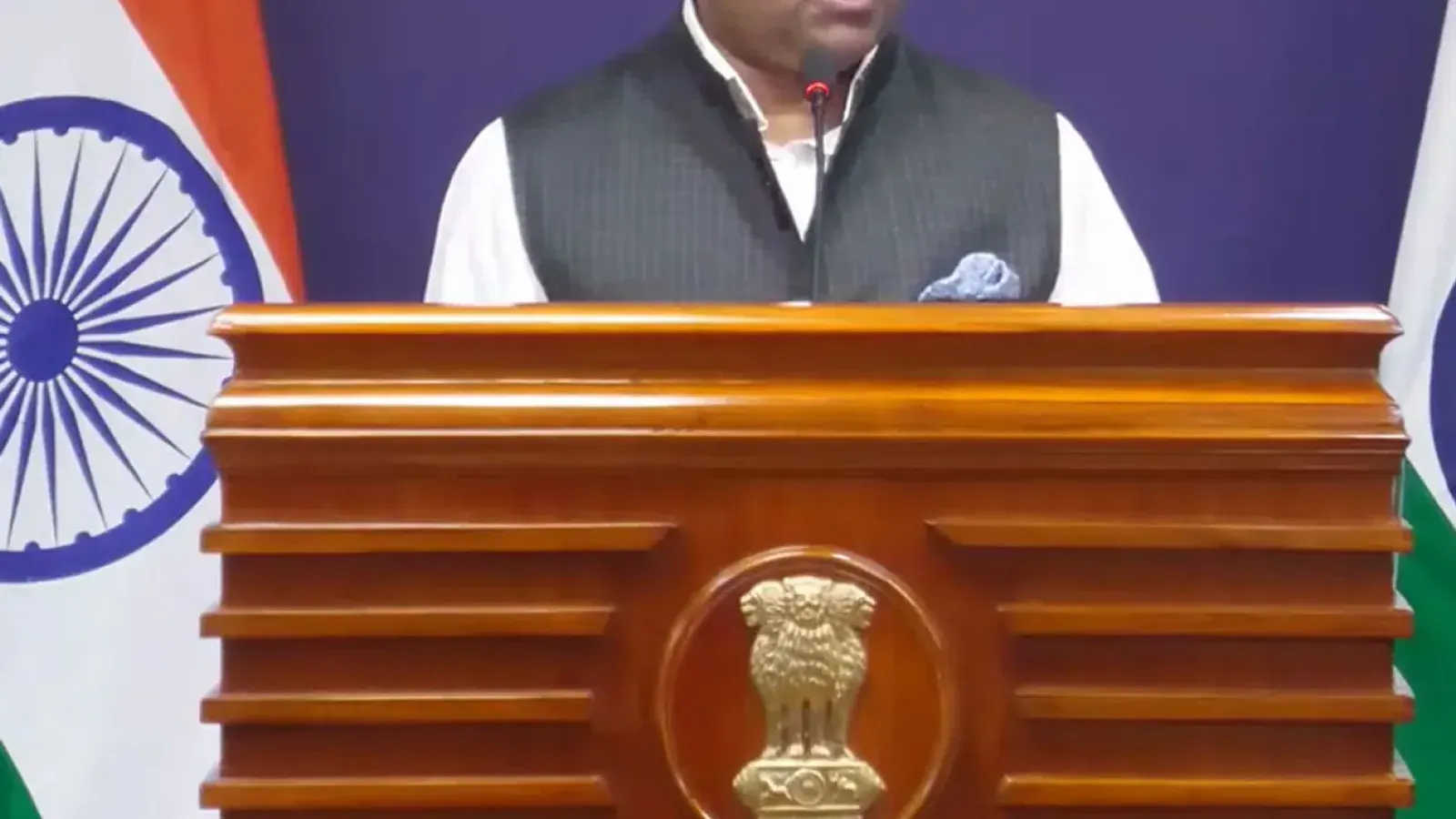
Elaborating on the government's official stance, Ministry of External Affairs spokesperson Randhir Jaiswal stated that an inter-ministerial delegation led by Solicitor General Tushar Mehta participated in the review meetings and decisively rejected sweeping generalizations, unfounded allegations, and any tendencies to breach procedural boundaries. Jaiswal further confirmed that India intends to formally respond to the committee's observations in strict accordance with established international procedures and diplomatic protocols.