
The Science Behind Human Hair: Why Some Hair Is Curly and Some Straight
Scientific research reveals that the shape of human hair depends primarily on the number of sulfur atom bonds in its composition. A 2009 study also highlights the role of specific genes and genetic inheritance in determining curliness.
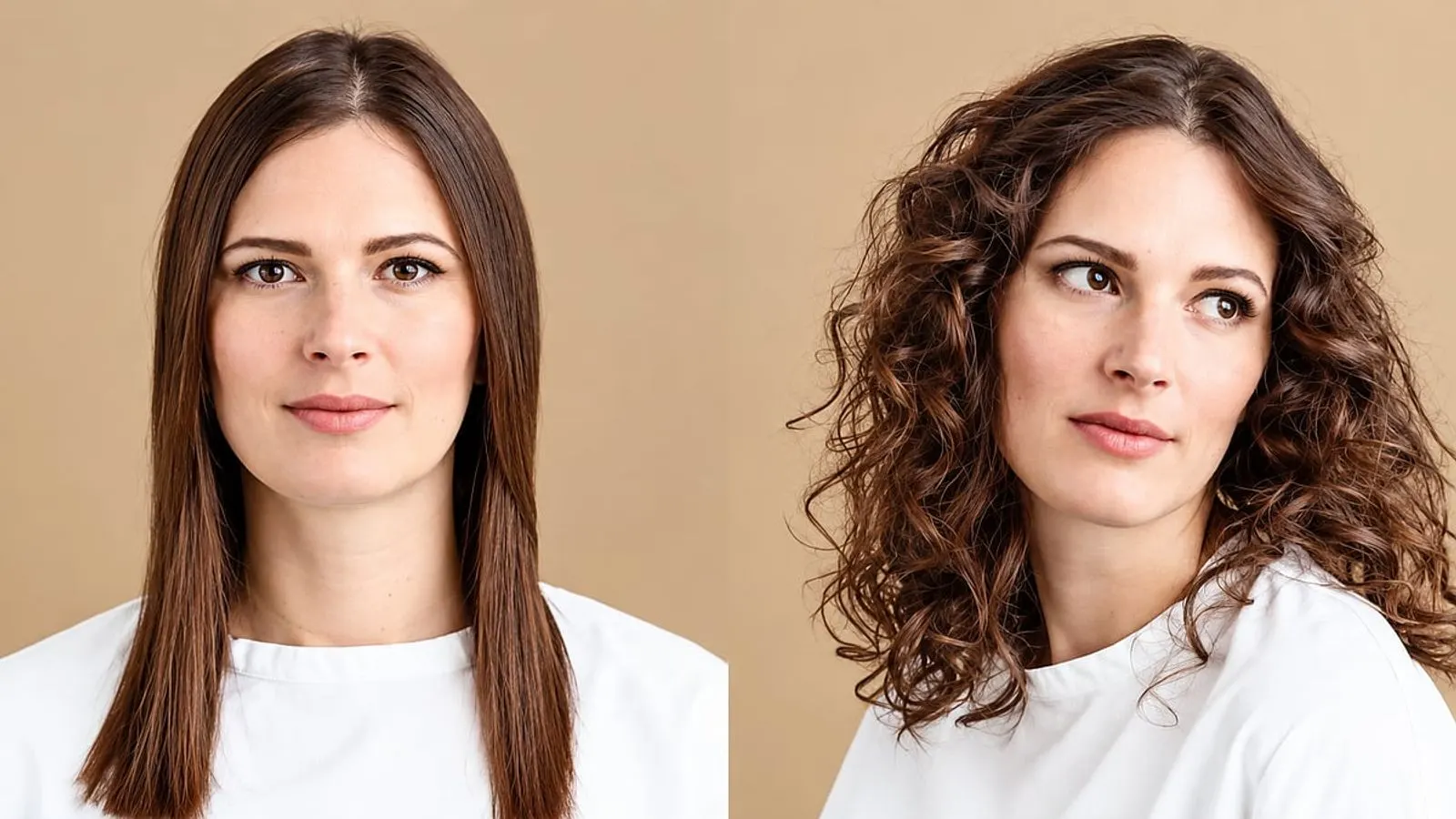
The fundamental shape of human hair—whether it is straight or curly—is determined primarily by the specific composition of the hair itself, specifically the number of sulfur atom bonds it contains.
Hair is largely composed of a type of protein known as keratin. This essential protein is produced directly from the hair follicle, which serves as the biological root and gland for each strand on the human head.
Within this protein structure, pairs of sulfur atoms join together to create chemical bonds. According to scientific findings, the prevalence of these bonds directly correlates with the physical appearance of the hair: the more sulfur atom bonds that are present, the more curly the hair becomes.
In addition to these chemical bonds within the protein structure, genetic factors also play a critical role in determining hair texture. A scientific study conducted in 2009 revealed that a specific type of body cell gene also contributes to the formation of curly hair.
Genetics heavily dictate the likelihood of inheriting this trait across generations. Research indicates that if an individual has curly hair, the probability of their children also developing curly hair is approximately ninety percent.