
Syracuse Study Explains Fading Flares in Repeating Tidal Disruptions
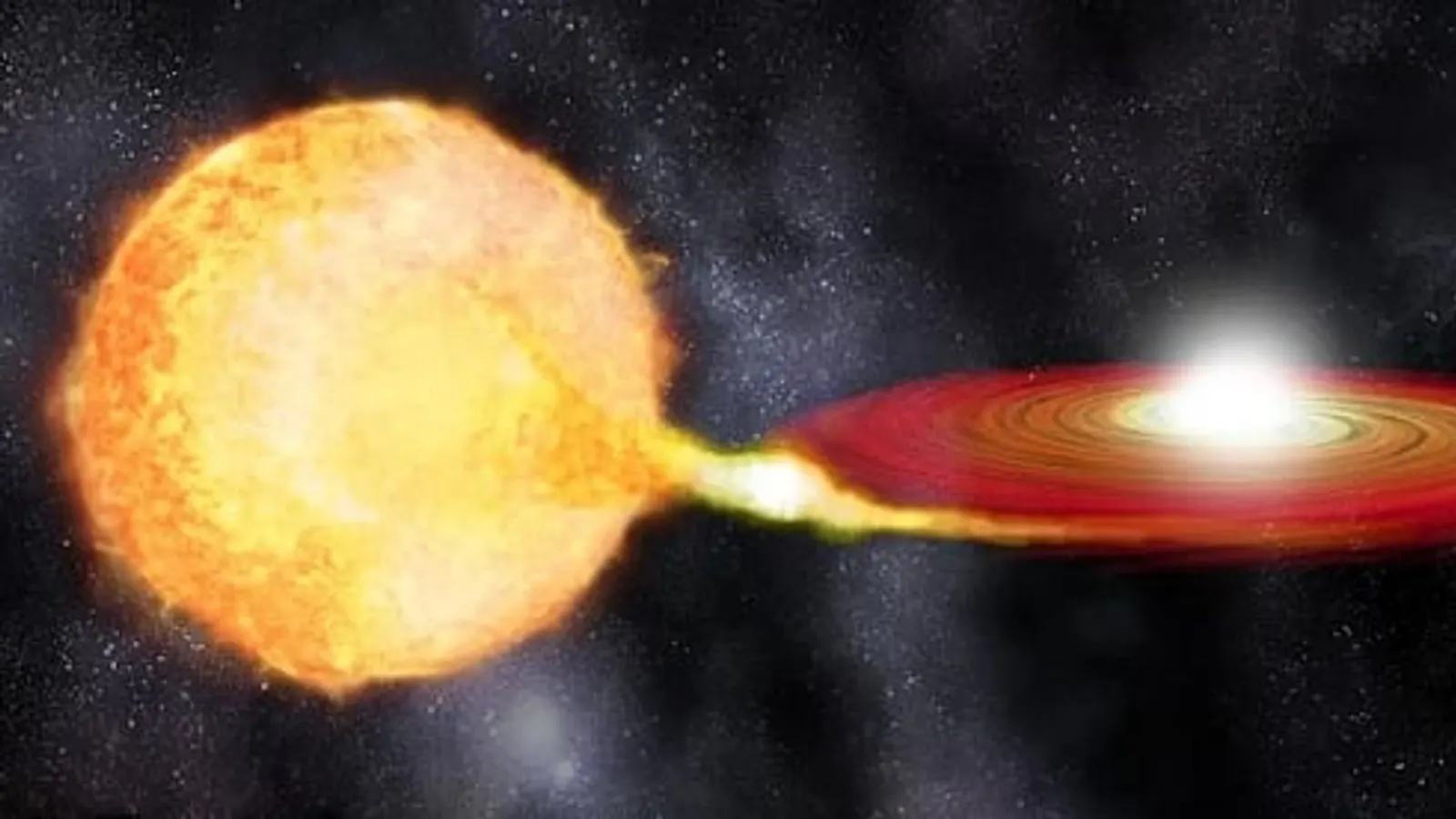
New astrophysical research from Syracuse University reveals that a star's rapid pre-encounter rotation can explain why flares grow progressively dimmer in specific repeating partial tidal disruption events. The findings were recently published in The Astrophysical Journal.
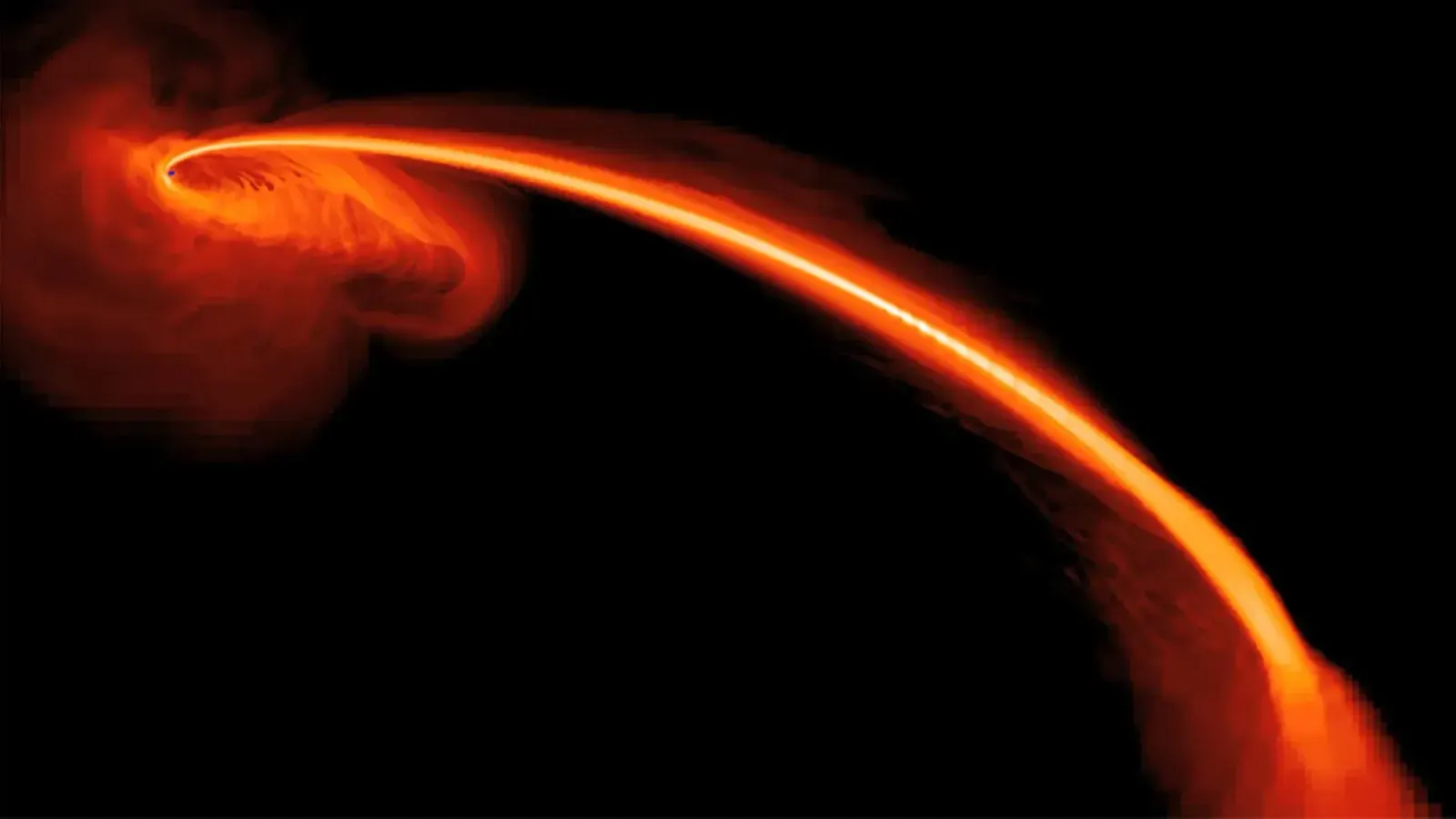
Astrophysicists based at Syracuse University have published a brand-new study within the pages of The Astrophysical Journal that sheds light on the complex mechanics of repeating partial tidal disruption events, often abbreviated as rpTDEs. According to the newly released scientific research, a star's rapid rotation prior to its close encounter with a black hole successfully accounts for the puzzling phenomenon wherein stellar flares become progressively dimmer over time.
Out of roughly 10 identified repeating systems known to the scientific community thus far, exactly four have demonstrated this distinct pattern of behavior, exhibiting flares that decrease in brightness with each subsequent interaction. Understanding why these specific stellar events fade in such a predictable manner has long remained a key question for researchers studying the extreme gravitational interactions occurring near supermassive black holes.
The groundbreaking research project was spearheaded by doctoral student Ananya Bandopadhyay, who served as the lead investigator for the study. Working in close collaboration within the academic environment at Syracuse University, Bandopadhyay teamed up with postdoctoral researcher Benjamin Amend and associate professor Eric Coughlin to analyze the dynamics driving these fading partial tidal disruption events.
By examining how the initial rotational speed of the disrupted star impacts the mass transfer and subsequent flare output during repeated close passes, the Syracuse University team formulated a comprehensive explanation for the observations. The study published in The Astrophysical Journal provides crucial theoretical framework that helps astrophysicists better comprehend the diverse observational signatures produced when stars repeatedly interact with massive gravitational sources.