

Study Finds Knee Braces and Exercise Best for Osteoarthritis
A major new network meta-analysis published in PLOS One evaluates 12 non-drug therapies across 139 clinical trials. The research identifies knee bracing, hydrotherapy, and exercise as the most effective approaches for managing knee osteoarthritis.
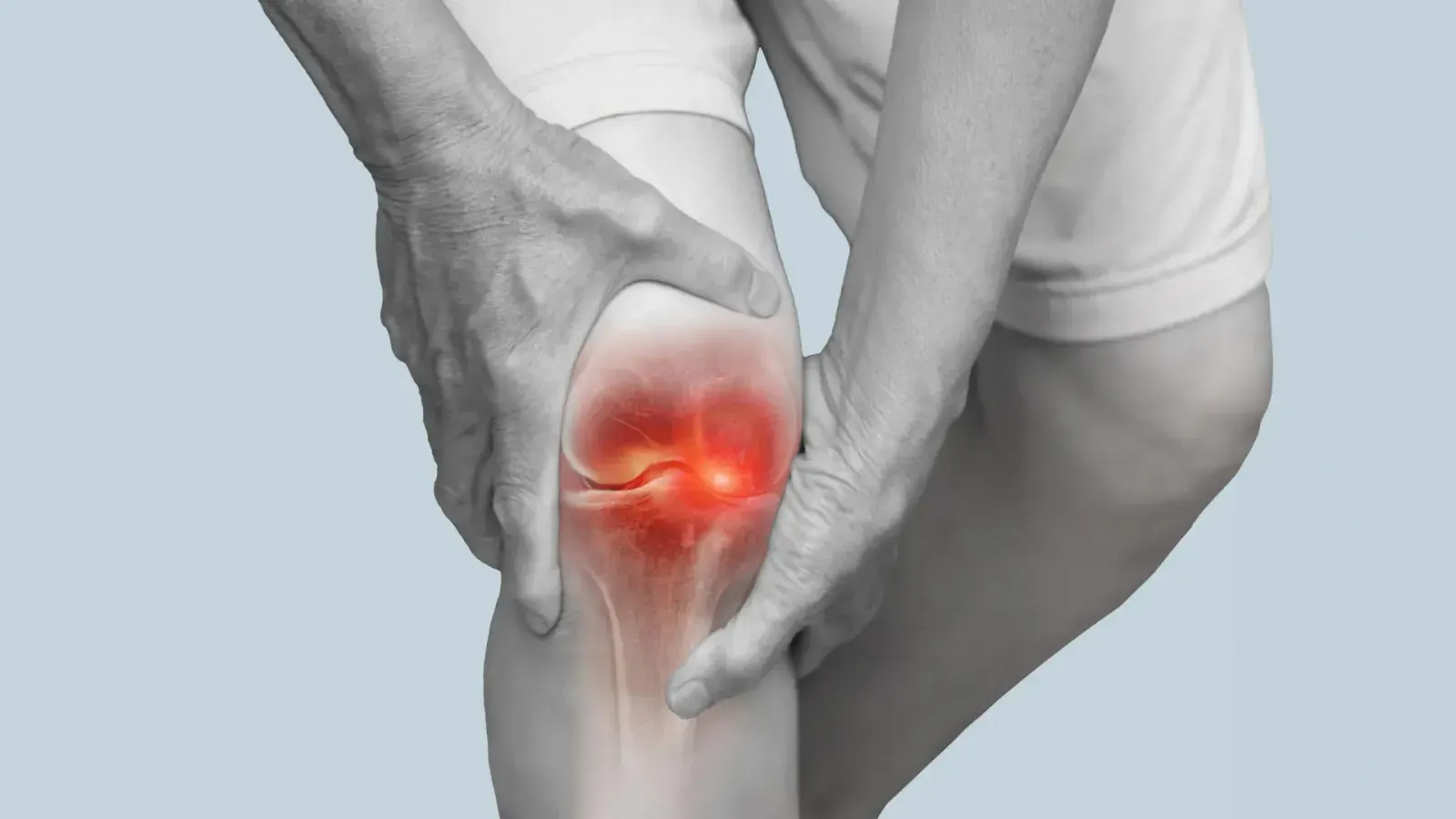
A comprehensive network meta-analysis published in the journal PLOS One has evaluated 12 different non-drug approaches for the management of knee osteoarthritis. The extensive international research project encompassed a total of 139 clinical trials, drawing upon data from nearly 10,000 people to determine the most effective pathways for patient care without relying on pharmaceutical interventions.
The research study was led by Yuan Luo, representing the First People's Hospital of Neijiang, located in Neijiang, China. Through rigorous evaluation of the participating clinical trials, the research team analyzed how various non-pharmacological interventions compare against one another in providing relief for individuals suffering from the chronic joint condition.
According to the findings published in PLOS One, the analysis revealed that knee braces, water therapy, or hydrotherapy, and structured exercise are among the most effective drug-free options for managing knee osteoarthritis. In contrast, other modalities such as ultrasound ranked near the bottom of the treatment comparisons evaluated by the researchers.
Highlighting the clinical advantages of these findings, lead researcher Yuan Luo stated: "Knee braces, hydrotherapy, and exercise are the most effective non-drug therapies for knee osteoarthritis. They reduce pain and improve mobility without the gastrointestinal or cardiovascular risks linked to common pain medications. Patients and clinicians should prioritize these evidence-based options."
Expanding on the potential impact of the research on global medical practices, Yuan Luo added: "Our analysis of nearly 10,000 patients reveals that simple, accessible therapies like knee bracing and water-based exercise outperform high-tech options like ultrasound. This could reshape clinical guidelines to focus on safer, lower-cost interventions."