

Srijit Mukherji Discusses Uttam Kumar's Legacy in BBC Bangla Interview
Director Srijit Mukherji has shared his perspective on Bengali cinema legend Uttam Kumar during a BBC Bangla interview marking the actor's birth centenary. The conversation delves into the enduring comparisons between Uttam Kumar and Soumitra Chatterjee.
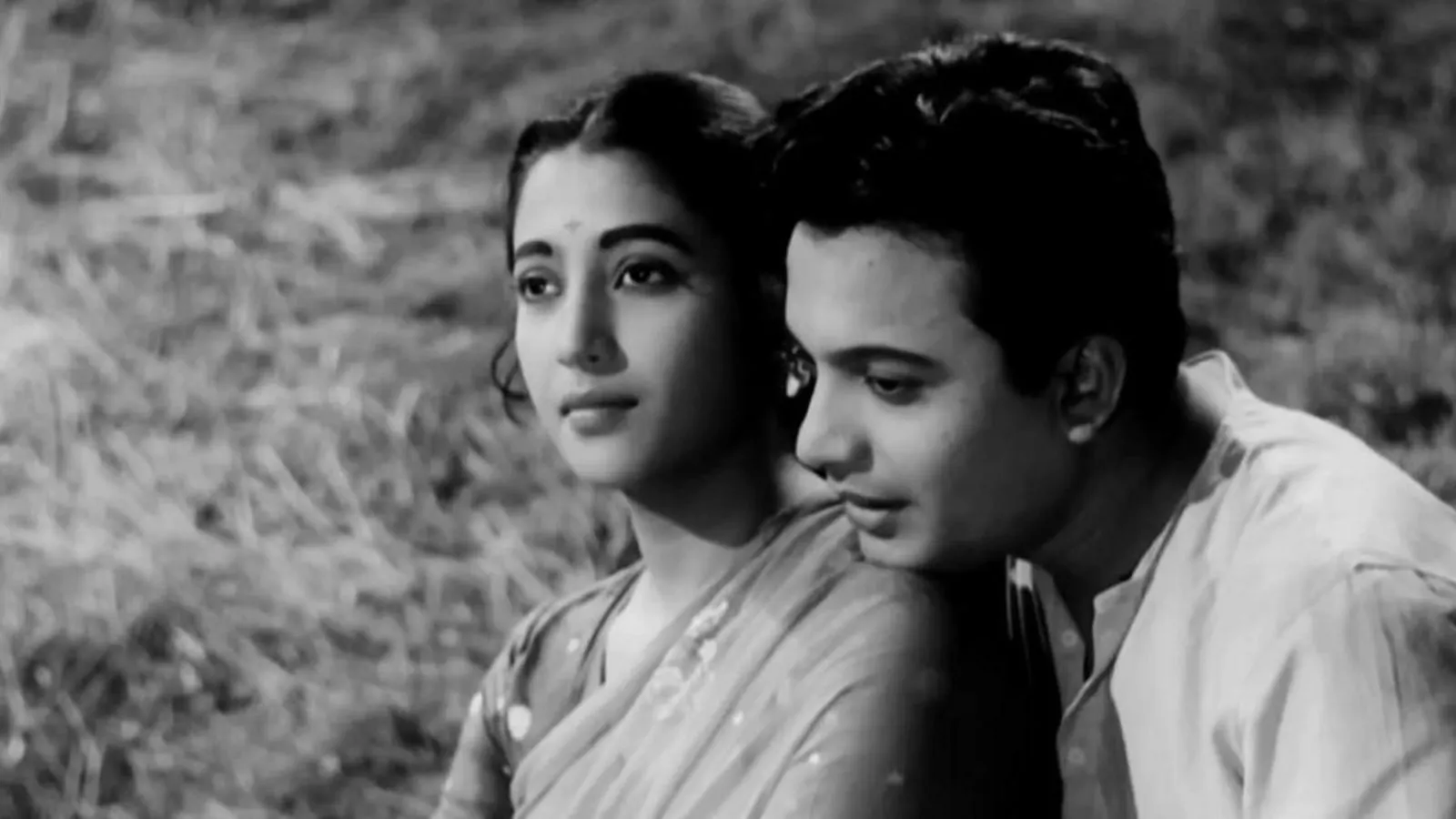
In a recent interview with BBC Bangla regarding the birth centenary of legendary Bengali actor Uttam Kumar, acclaimed director Srijit Mukherji offered deep insights into the actor's enduring cultural footprint. Mukherji, who has directed the film 'Ati Uttam', addressed the complex nature of cinematic inheritance and the specific place Uttam Kumar holds in the history of Bengali cinema.
Reflecting on the concept of cinematic legacy, the filmmaker noted that the term itself can be rather ambiguous depending on how individuals choose to interpret it. However, Mukherji emphasized that when it comes to the precise nature and weight of Uttam Kumar's legacy within Bengali cinema, there is virtually no confusion or ambiguity among audiences and critics alike.
A central theme of the discussion touched upon the long-standing cultural debate in Bengal comparing Uttam Kumar and Soumitra Chatterjee. Addressing this perennial topic, Mukherji acknowledged that Soumitra Chatterjee was undoubtedly a very talented and gifted actor whose exceptional performances have left a lasting impression on him across numerous films.
Nevertheless, the director drew a distinct line when evaluating the unique phenomenon of stardom paired with unmatched acting prowess. Mukherji asserted that the rare combination of extraordinary acting skills seamlessly merging with superhuman stardom is something that was uniquely witnessed in Uttam Kumar.
The comprehensive interview also referenced a wide array of prominent cultural and historical figures, including Kamal Haasan, Amitabh Bachchan, Suchitra Sen, Anjana Bhowmick, Supriya Devi, and the Society for Preservation of Satyajit Ray Archives (SPSRA). Additionally, the broader socio-cultural context of Bengal was evoked through mentions of traditional institutions such as Mohun Bagan, East Bengal, Congress, and the CPIM.