

Smartphones and Overnight Charging: Myths, Facts and Battery Health
Modern smartphones feature built-in charging systems designed to prevent immediate overcharging when plugged in overnight. However, maintaining a full charge for extended periods and trapping heat beneath bedding can still impact long-term battery health.
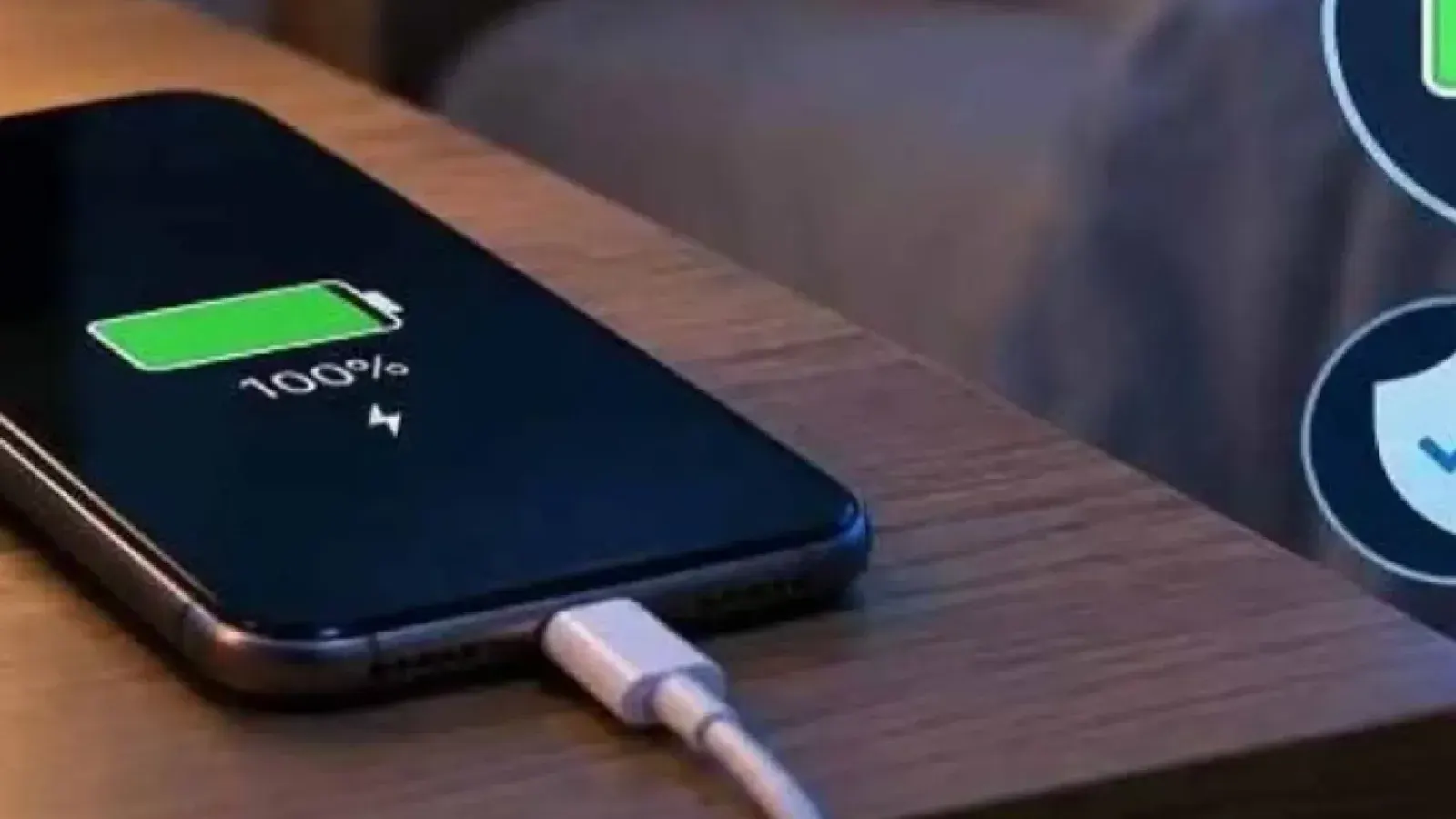
When it comes to charging mobile devices overnight, common concerns often center around whether leaving a phone plugged in until morning will damage the hardware. Modern smartphones are equipped with sophisticated internal charging systems designed to manage power delivery automatically. Specifically, these built-in mechanisms are programmed to stop or significantly reduce the electrical current once the internal power source reaches full capacity, thereby preventing immediate overcharging.
Despite these safeguards protecting against immediate damage, the underlying chemistry of the device still reacts to prolonged high-capacity states. Modern smartphones primarily rely on lithium-ion or lithium-polymer batteries to store electrical energy. Maintaining one of these lithium batteries at a 100 percent charge for long periods can gradually increase chemical degradation over time, slowly diminishing the overall lifespan and performance capacity of the power cell.
Beyond the state of charge itself, environmental factors play a crucial role in maintaining battery longevity. Heat is identified as a particularly critical factor for the health of lithium-ion and lithium-polymer batteries. Elevated temperatures accelerate the chemical aging process within the power cell, making thermal management an essential consideration during the daily charging routine.
Risks regarding temperature management often arise from careless placement of the device during the power restoration process. Specifically, charging a phone underneath a pillow, a blanket, or a bed restricts normal airflow around the hardware. This trapped environment prevents heat dissipation, causing temperatures to rise significantly and increasing thermal stress on the internal battery.
Understanding these underlying mechanics helps clarify the reality behind common overnight charging habits. While the smartphone's automated systems successfully prevent catastrophic overcharging events, users must still remain mindful of chemical degradation caused by prolonged full-charge states and the severe risks posed by restricted airflow and accumulated heat.